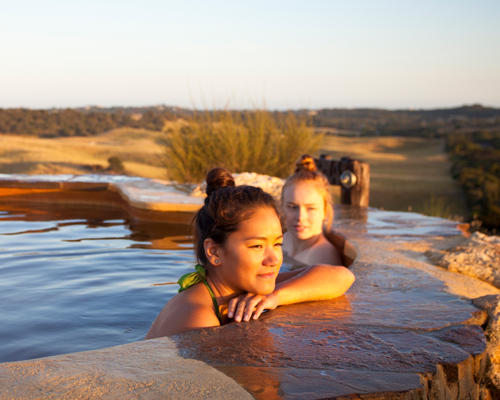
I lie in the open-air hot tub, looking out across the pristine landscape, skin tingling from my dip in the icy plunge pool. Beyond the frozen river, snow-covered forests stretch into the distance. The muffled silence is broken only by the creaks and groans of the ice as it settles. I feel a deep, profound sense of peace.
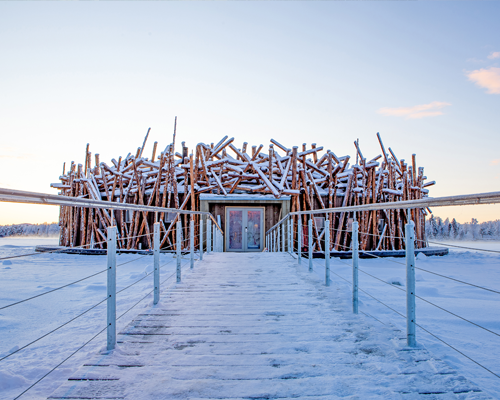
I’m at Arctic Bath, a one-of-a-kind spa hotel designed to fully immerse guests in the stunning wilderness of Swedish Lapland. Housed in a circular timber building inspired by the log jams that were common when timber was transported by boat across Sweden, the spa floats on the Lule River in the warmer months and is frozen in place in winter.
Launched in 2020, Arctic Bath quickly became a bucket list destination, celebrated for its unique offering and architectural design. High season here is winter, when guests come to experience contrast therapy at its most extreme and watch the Northern Lights dancing above the snowy landscape. But the team behind it are consciously extending the business with new spring, summer and autumn packages.
“There’s magic here all year round,” says Arctic Bath CEO Klara Ranggård. “The summer season is becoming increasingly popular with international guests, who come to experience the midnight sun, the blooming nature and outdoor activities like swimming, fishing, kayaking and nature-watching.”
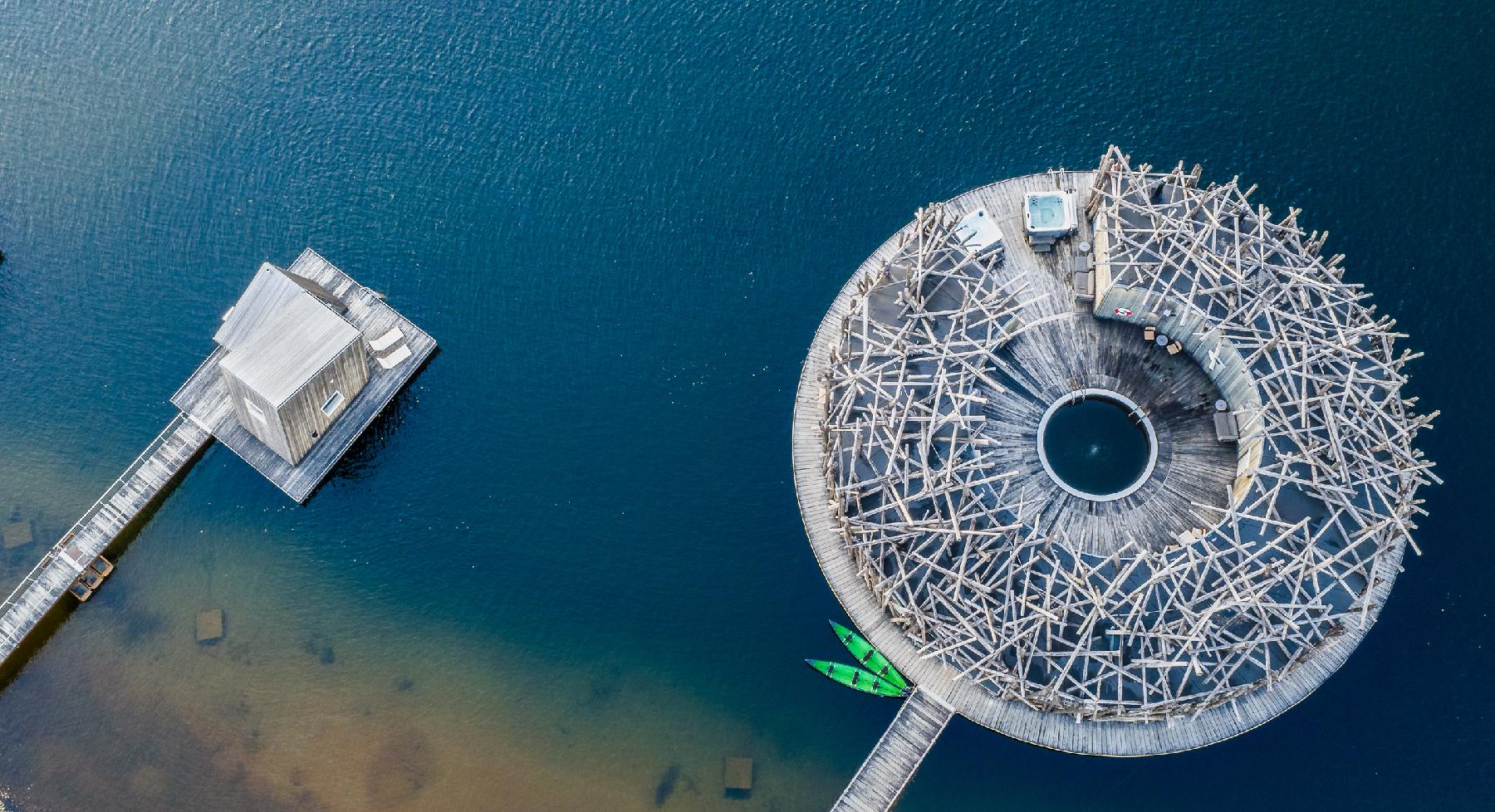
The unique design was inspired by log jams historically transported by boat across Sweden / Damien Noss
Celebrating sauna culture
Following the 2010 opening of Treehotel – the design hotel that put the tiny Swedish village of Harads on the map – co-founder Per-Anders Eriksson realised it was missing a spa.
Knowing sauna culture was so deeply embedded in the Swedish way of life, he commissioned architect Bertil Harström – creator of the Bird’s Nest room at Treehotel – and designer Johan Kauppi to develop a floating wellness experience for the nearby Lule River.
The initial vision was for a small sauna. Instead, Harström and Kauppi came up with a large circular building with an outdoor plunge pool at the centre, surrounded by heat experiences.
There's magic here all year round
After crunching the numbers, Eriksson realised that for the sauna to be financially viable, it was necessary to add six land cabins and six water cabins along with a restaurant to make it a destination in its own right.
Presenting Nordic life
Arctic Bath is a sanctuary that harnesses the peace and beauty of the Swedish wilderness to promote relaxation and a sense of awe.
“Arctic Bath is basically a floating spa with rooms,” explains co-owner Peter Engström. “It presents our everyday life to guests from all over the world, alongside excellent service.
“This is what we do here in the North: we sit by the fire, we take the sauna and cold bath, we live with nature. We live with the snow, the ice, the Northern Lights and the midnight sun. People come to experience our way of life – with a twist.”
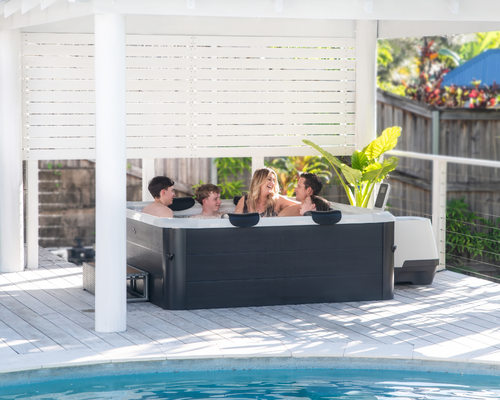
The main spa building houses two large saunas, a steamroom, a treatment room, two outdoor hot tubs and the central open-air pool for bathing in the waters of the Lule River.
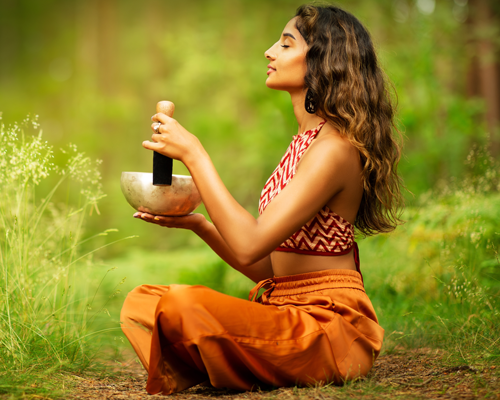
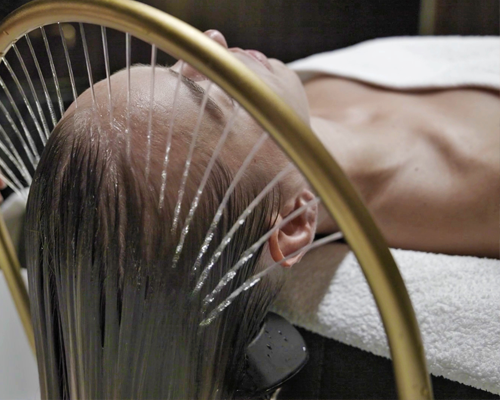
The core of the wellness offer is Julevädno, a contrast therapy ritual. The 45-minute experience includes sauna/cold plunge sessions incorporating local herbs, singing bowls and breathing techniques. “Guests are nervous before they take their first plunge, but once they’ve done it, they want to go in again and again,” says Ranggård. “You get a lot of natural energy from bathing in the river.” This is a complimentary ritual, however, the team is exploring the addition of dedicated morning and afternoon sauna rituals for a small fee of around SEK200 (US$22, €19, £16) per person.
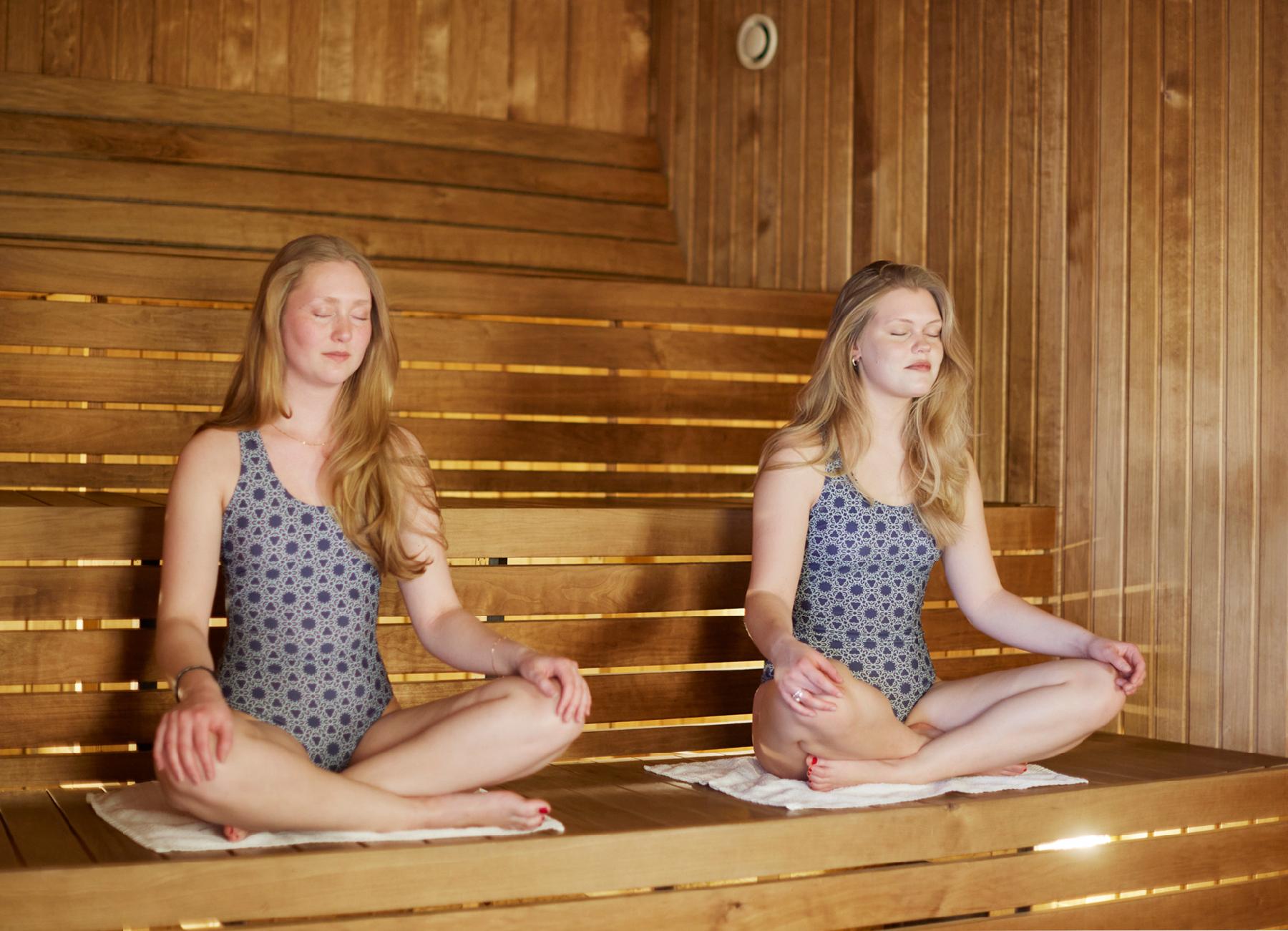
A free, 45-minute contrast therapy ritual is a spa menu staple / ERIK OLSSON
Other treatments include reiki, massages and a range of ayurvedic therapies. Products are by local firm C/O Gerd.
Guided nature activities such as bear watching, moose safaris, snowshoe walking and forest bathing are offered in partnership with local specialists, as well as experiences designed to teach guests about the culture and lifestyle of the indigenous Sami community.
Extending the season
Winter (late November to mid-April) is Arctic Bath’s busiest time of year and is dominated by international guests (70 per cent) staying for 2.8 days on average, estimates Ranggård.
Prices for a water cabin start from SEK6,995 (US$763, €649, £565) a night in summer and SEK11,995 (US$1,309, €1,113, £969) in the winter. With 12 cabins, the hotel’s capacity is 33 guests, although it usually only reaches 20-25 guests when fully booked. “That’s a perfect amount for the spa and restaurant,” says Ranggård. “It’s really important that we don’t overcrowd the facilities.”
Just 2-3 per cent of spa guests come from outside of the hotel at this time of year, rising to 25 per cent in the summer (mid-June to the end of October). A two-hour entry pass costs SEK1,295 (US$138, €120, £104).
During warmer months, the majority of hotel guests are Swedish, although Ranggård says international interest is increasing. "They often stay for longer – taking their main vacation with us and staying for up to a week."
A range of packages are being introduced this year to encourage more extended stays. Developed in collaboration with local wildlife adventure tour company Hide and See, A Journey to the North, is a four-day experience that includes Arctic fine dining, midnight sun excursions, wilderness tours, kayaking, hiking and the use of the spa. Priced from SEK20,995 (US$2,258, €1,941, £1,690), six retreats will run between June and September.
You get a lot of natural energy from bathing in the river
The hotel also runs its own three-night Fire and Ice Retreat at the beginning and end of winter. Super early-bird prices for November 2026 start at SEK21,225 (US$2,316, €1,969, £1,715) per person.
Sustainable development
The success of Arctic Bath is inextricably intertwined with nature and the local community – and the sustainability of both is key. “It’s vital to ensure that we do not harm or overexploit them,” says Ranggård.
The hotel has been designed for minimal environmental impact, featuring sustainable timber construction, 100 per cent renewable energy use and using local contractors and suppliers as much as possible.
The team also works with other local tourism businesses, including Treehotel, Logger’s Lodge and Aurora Safari Camp, to create a combined tourism draw for the area. “We are not competing with each other, we’re completing each other,” says Engström. “Working together and bringing people to each other.”
This summer, the family who launched Treehotel are opening Villa Äng in Harads – a luxury villa with a sauna and hot tub that comes with a private chef and concierge. “It’s good for all of us when new businesses open here,” says Ranggård.
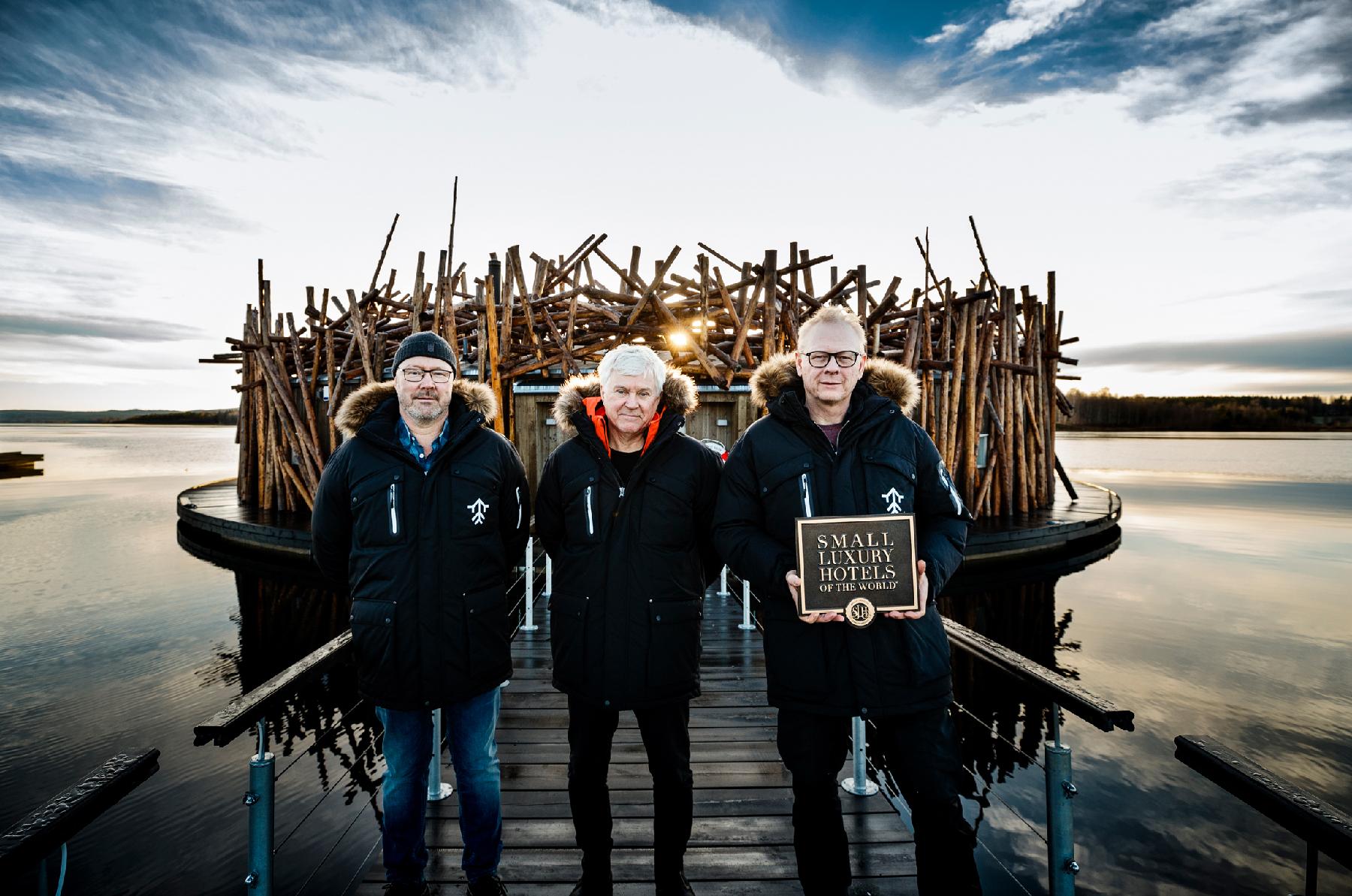
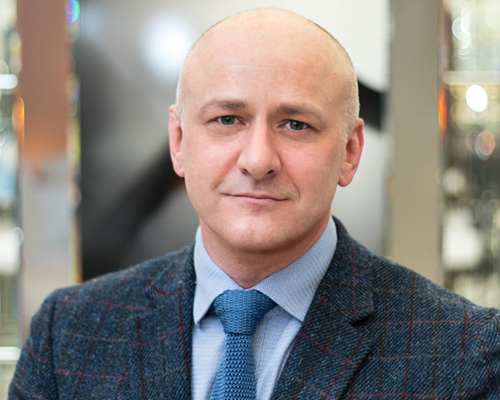
Arctic Bath co-founders Per-Anders Eriksson (left) and Kent Lindvall (middle). Co-owner Peter Engström (right) / Arctic Bath
Looking ahead, the team is wrestling with the question of whether to expand, and if so, how to do it in a way that doesn’t negatively impact the existing offer or the land.
“We have a lot of requests from companies interested in coming here for conferences and activities,” says Engström. “We’re considering building a multi-purpose house, but not adding any rooms.
“We want to stay small, exclusive and with a really authentic offer. It’s important for us to stay true to our heritage – to the culture here and to nature.”
Magali Robathan / Magali Robathan
Arctic awakening
It’s 1.30pm and the sun is already setting at Arctic Bath. The sky is a soft blue; the snow-laden trees are tinged with pink. I feel like I’m in a fairy tale.
I cross the bridge over the frozen river to the otherworldly-looking timber building topped with logs that houses the spa, lounge and restaurant. Inside, I’m welcomed by a roaring fire, pine-clad walls and limestone floors. Like everywhere in this extraordinary hotel, the views take centre stage; large windows look outwards towards the forest landscape, and inwards towards the central pool.
Cold calling
Armed with flip flops and an Arctic Bath swimming costume – to avoid river pollution – I head for the two saunas to start my contrast therapy ritual. Despite being advised on how to prepare for the cold plunge and being a seasoned cold-water swimmer, the dark, churning river water is daunting.
I feel more focused and alive than Iʼve been for a long time
The air temperature is -24˚C and it’s only the constant circulation that keeps the pool from freezing solid. I slowly lower myself in and breathe through the shock. I manage 20 seconds, quickly warm up in the hot tub and want to try again. Energy courses through me – I feel more focused and alive than I’ve been for a long time.
Time and stillness
Using the spa several times, there are never more than a handful of other people, making it feel very tranquil. Other guests include a Mexican couple on their honeymoon, a young American family and a French woman enjoying a solo break. I notice how the staff remember everyone’s names and what we like for breakfast. There’s no formality, but the service is warm and the attention to detail is plain to see.
That night, I have the utterly delicious three-course Arctic Light dinner, showcasing Nordic ingredients in highly inventive ways. Finishing dessert, a member of staff announces that the Northern Lights have appeared.
I stand outside with the other guests, marvelling at the shifting greens and pinks – and at my good fortune for discovering this unique destination.
Arctic Bath is a place that reminds you that there’s nothing more healing than nature and nothing more luxurious than time and stillness.
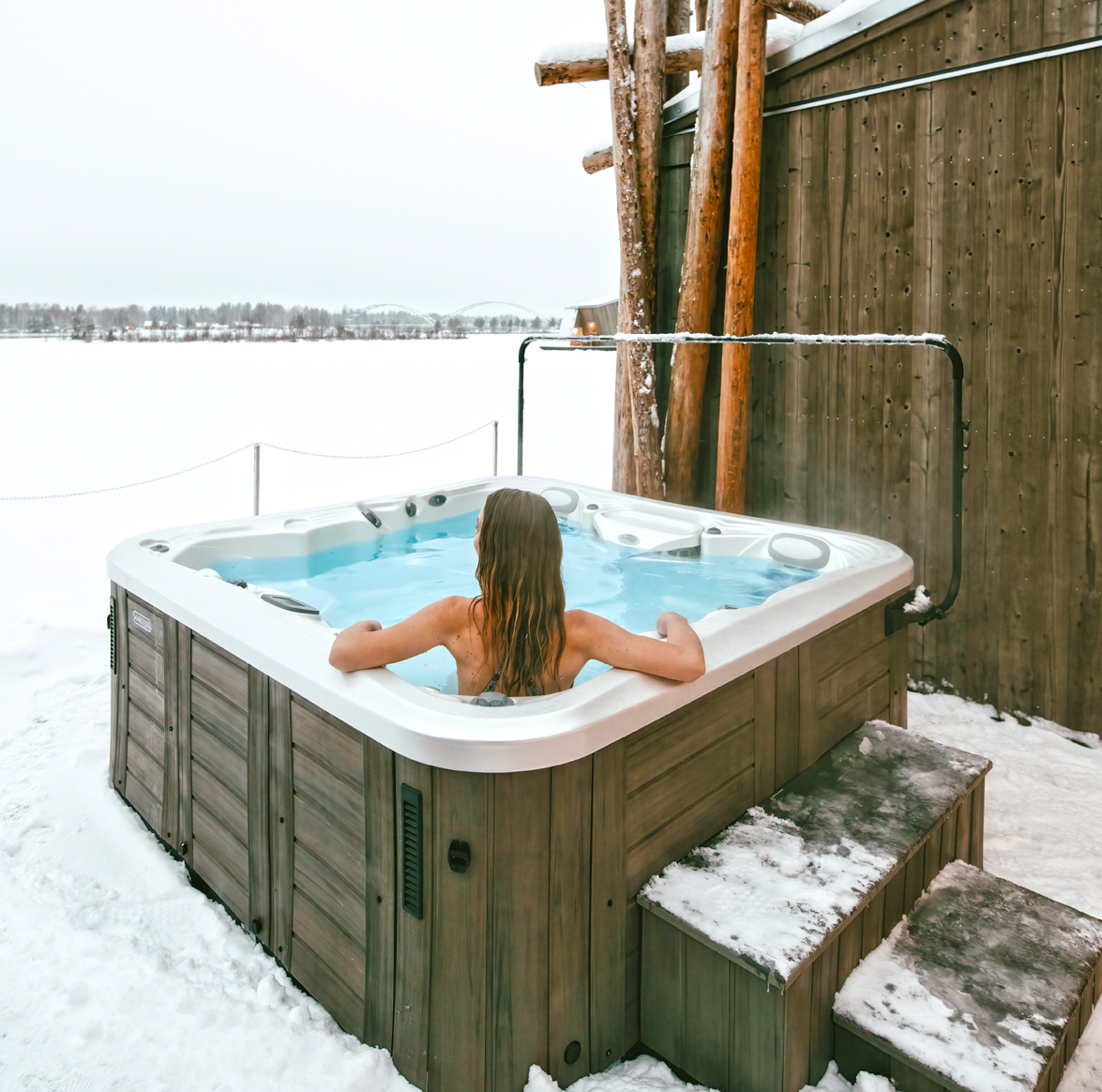
Two outdoor hot tubs help guests warm up between cold plunges / Swedish Nomads
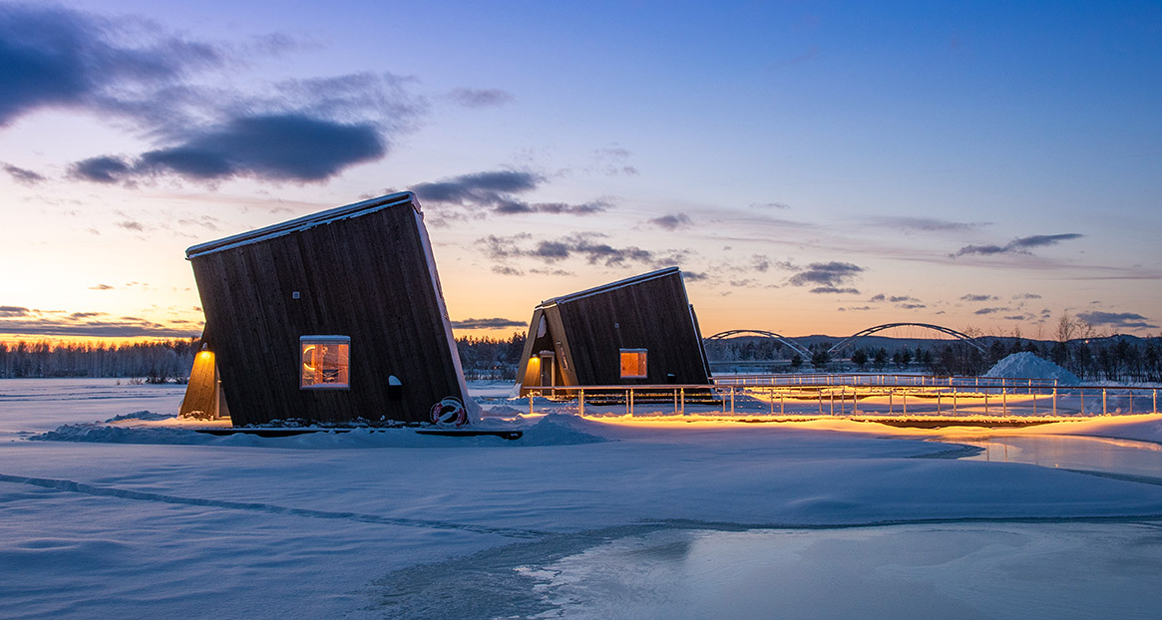
Robathan describes Arctic Bath as having a ‘fairy tale’ setting / Norrland
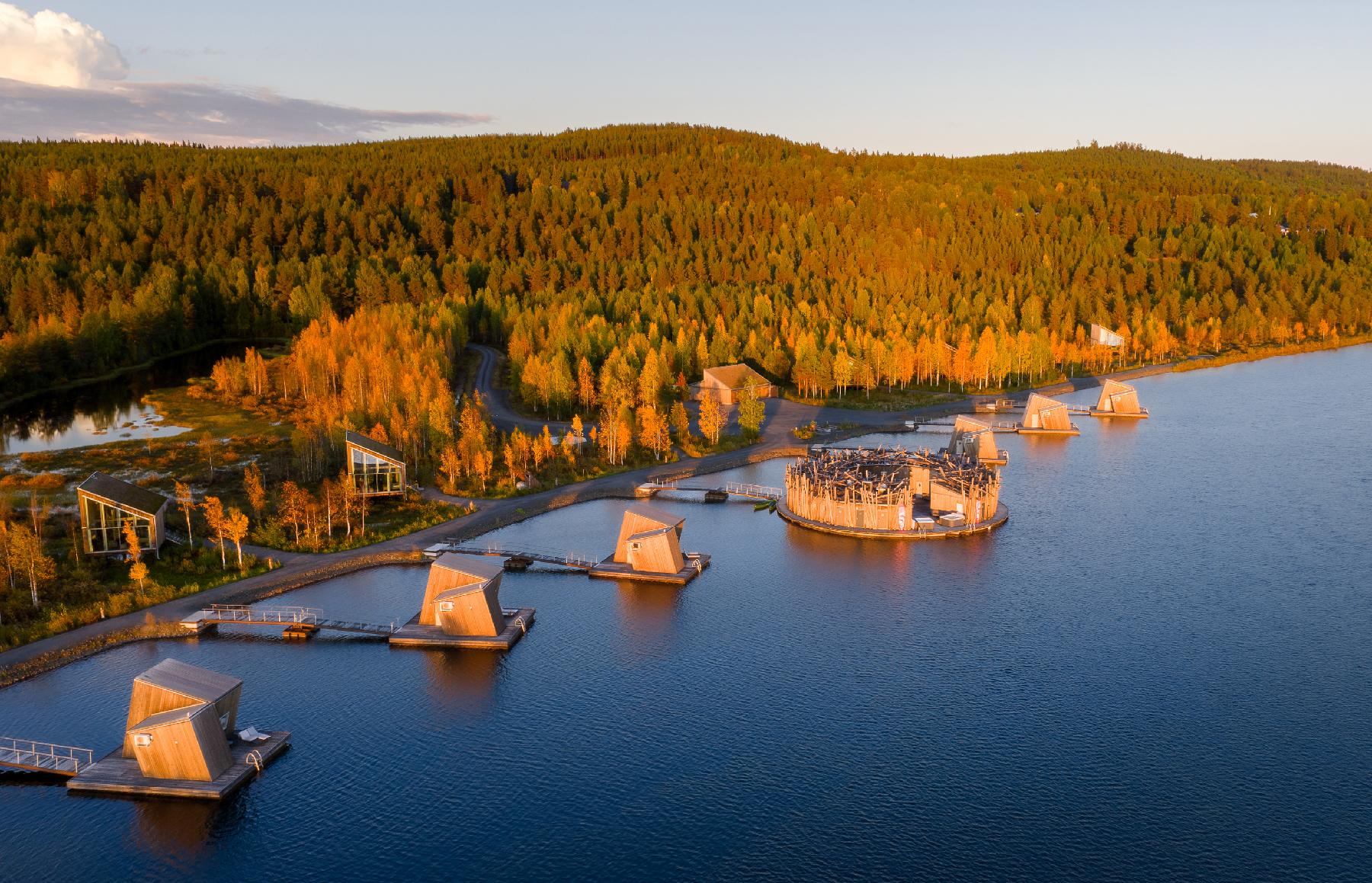
Six land and water cabins were added to the spa to create a viable business / Damien Noss
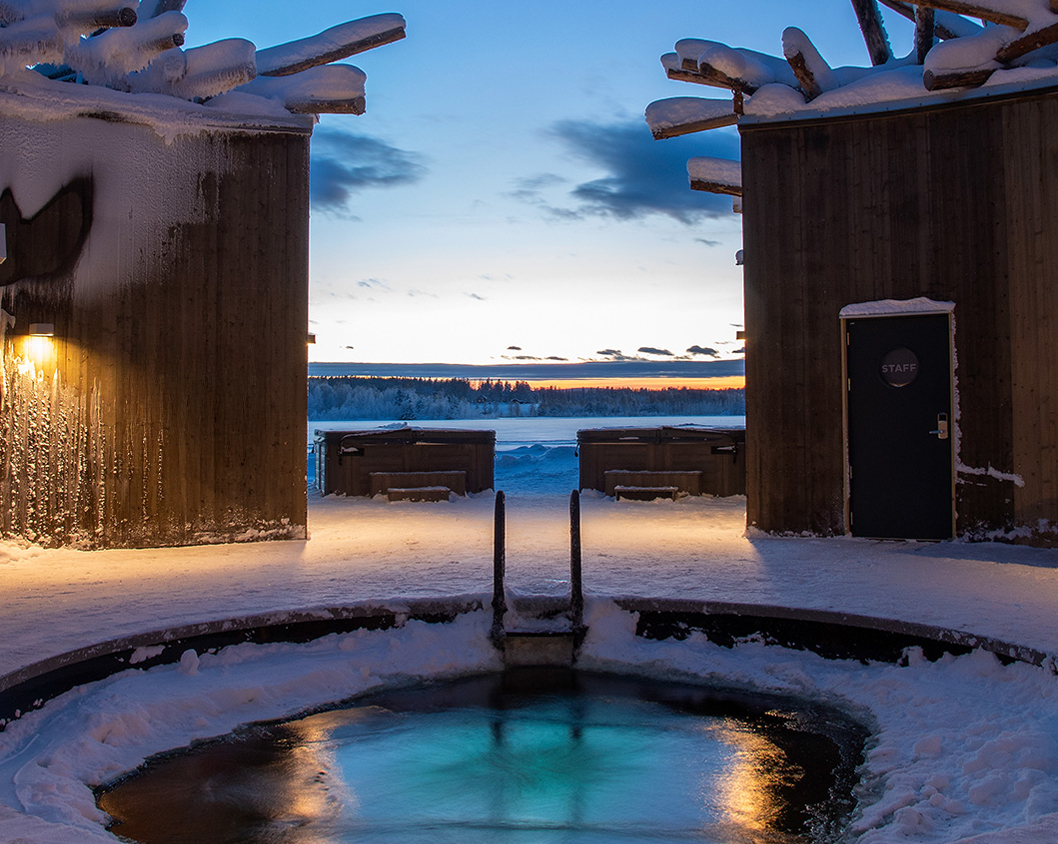
The whole spa is built around a plunge pool in the Lule River / Norrland
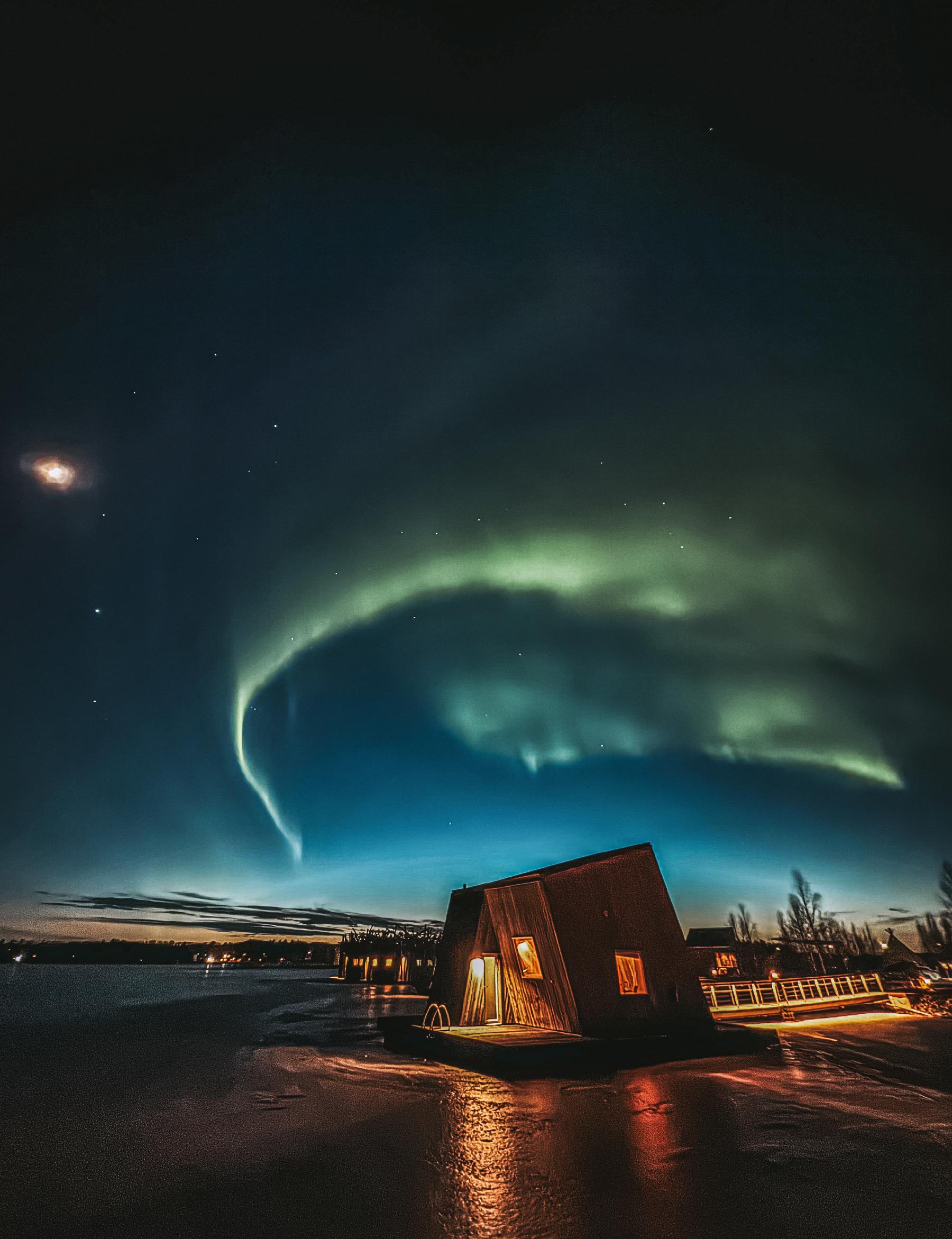
Framed by the Northern Lights, Arctic Bath quickly became a bucket list destination / ANIKA HOFFMANN
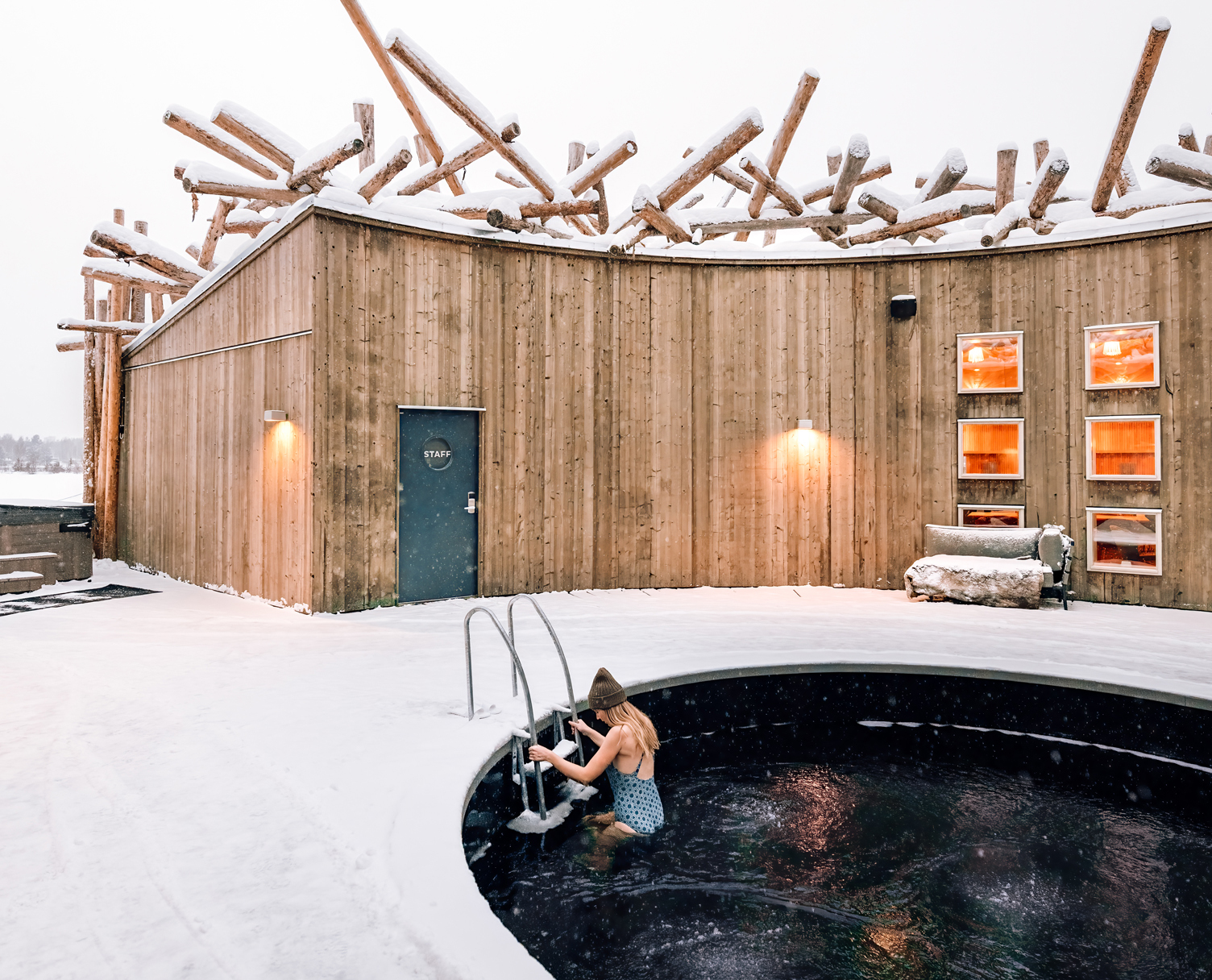
Peak season (winter) runs from late November to mid April / Swedish Nomads
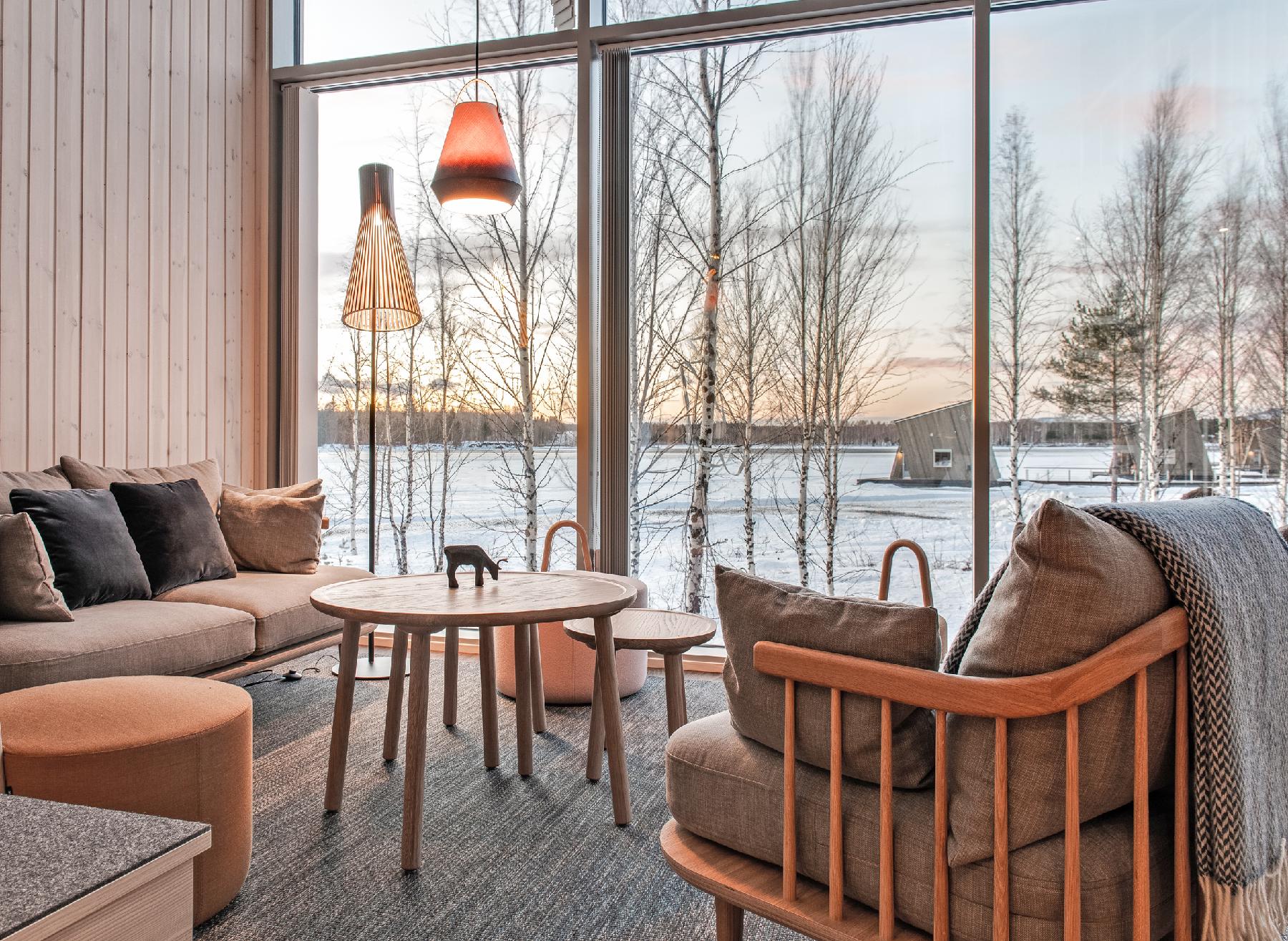
Arctic Bath can accommodate 33 guests and off-peak room prices start at US$763 a night / Daniel Holmgren
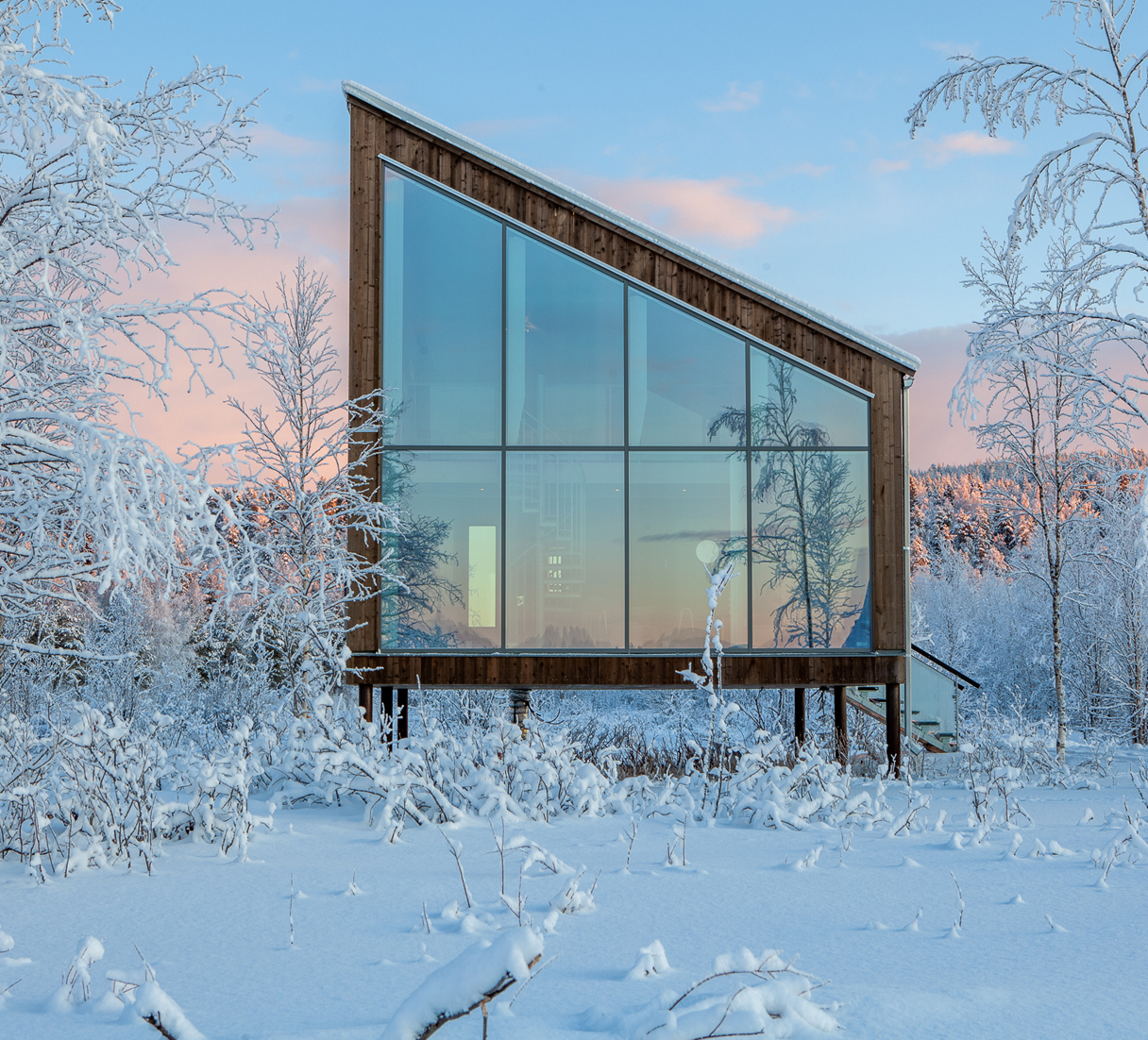
The hotel runs on 100 per cent renewable energy / Anders Blomqvist