Hotels homing in on wellness earn twice as much as non-wellness peers, reshaping hospitality investment strategies, according to new data from RLA Global
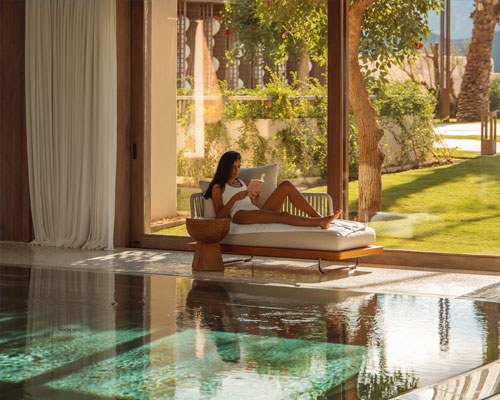
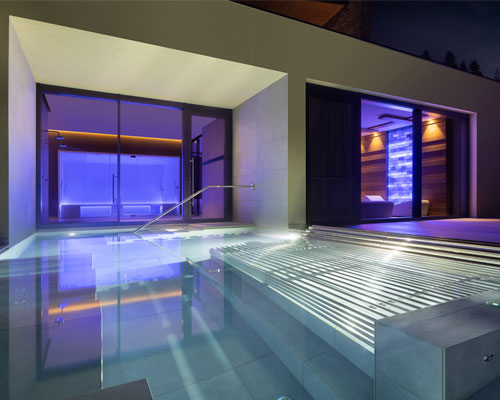
There’s a pivot towards experience-led luxury over traditional opulence / photo: Hilton Hotels & Resorts
Hotels with significant wellness components reported more than double the total revenue per available room (TRevPAR) of properties with no wellness income in 2024. That’s according to the new Wellness Real Estate Report by consultancy Resources for Leisure Assets (RLA) Global, developed in partnership with performance benchmarking specialist HotStats.
The report shows that major wellness properties – those generating over US$1 million (€932,700, £785,200) or 10 per cent of total revenue from wellness and leisure – outpaced both minor wellness sites and non-wellness hotels across KPIs.
Wellness premium Average TRevPAR at major wellness properties was 56 per cent higher than at minor wellness hotels and exceeded non-wellness hotels by a substantial 108 per cent.
Meanwhile, minor wellness hotels – those generating less than US$1 million (€932,700, £785,200) or 10 per cent of total revenue from wellness and leisure – led the way in year-on-year growth rates in RevPAR and TRevPAR. That’s particularly true in the luxury and upper upscale segments and for minor wellness hotels in Africa and the Middle East, which report double-digit gains, driven by a strong rebound in demand and leaner operating models.
Major difference While minor wellness sites posted the strongest percentage growth, the most dramatic uplift in absolute revenue was seen in major wellness hotels – particularly in the upscale segment. These properties achieved revenue KPI gains of up to 160 per cent.
“Major wellness hotels came roaring back in 2024,” says Roger Allen, group CEO of RLA Global, “displaying a standout top-line performance in TRevPAR and RevPAR and impressive year-on-year growth rates in the upscale category.
“The all-important bottom line performance showed major wellness outperforming minor wellness in gross operating profit per available room (GOPPAR) in absolute terms in 2024, but minor wellness had higher year-on-year GOPPAR growth compared to 2023.”
Rachael Rothman, head of hotels research and data analytics at CBRE, says: “Major wellness assets in the upscale segment are now outperforming even luxury properties in total revenue per room – a clear sign that traditional assumptions about service levels and positioning are being challenged. This shift could have significant implications for how capital is allocated and how future developments are designed.”
Occupancy and spend Occupancy trends remained relatively stable, sitting between 63-66 per cent, across all hotel types in 2024. Major and minor wellness sites posted slight increases, while non-wellness hotels saw a marginal decline. But ancillary revenue – a key component of TRevPAR – dipped slightly versus 2023, representing 56 per cent of TRevPAR at major wellness and 38 per cent at minor wellness properties.
Major wellness hotels led in leisure profitability, with a profit conversion rate of 49 per cent. Payroll represents a significant 35 per cent of their leisure income, but departmental expenses were at 16 per cent, suggesting efficient operational spending.
Food and beverage (F&B) revenue per occupied room grew by just 1 per cent across the board – and only at major wellness sites – underscoring that room and leisure departments are driving the lion’s share of revenue.
Looking ahead Despite strong top-line figures, researchers noted that monetisation opportunities in wellness remain under-leveraged.
The report also identified several emerging trends shaping development in 2025. A heightened demand for core health – lower stress levels and mental clarity – for example, is driving wellness design. There’s a pivot toward experience-led luxury over traditional opulence and a rising emphasis on sleep optimisation as a tool to increase repeat business.
For investors and operators, the message is clear: wellness is no longer a niche amenity but a key revenue and profit driver – and it’s redefining hospitality asset performance in both established and emerging markets.
"Major wellness hotels came roaring back, displaying standout top-line TRevPAR and RevPAR" - Roger Allen
Read more from this issue of Spa Business magazine
View contents of Spa Business 2025 issue 2
Editor’s letter: The Gen Z effect
With young adults reshaping our industry, affordable, community-based models are thriving, while traditional spas risk being left behind
Spa people: Novak Djokovic
Game, set, spa. The tennis star is poised to launch a biohacking pod while also entering a multi-year ambassador partnership with Aman
Spa people: Peter Attia
One of the most respected names in longevity medicine has co-founded preventative health clinic, Biograph
Spa people: Alexis Dean
The founder of Soak is on a mission to deliver social wellness without the hefty price tag across Australia
News report: Young influencers
Millennials and Gen Zers are redefining the wellness landscape according to new research by McKinsey
News report: Double vision
Fresh data from RLA Global reveals that hotels delivering wellness earn twice as much as those that don’t
Project preview: Laugarás Lagoon
Contrast bathing and fine dining are two USPs of a new geothermal destination in Iceland’s Golden Circle
Interview: Suzanne Holbrook
Marriott’s new global leader of spa, fitness and wellness talks candidly to Katie Barnes about her plans for the world’s largest hotel spa portfolio
Ask an expert: Vagus nerve
Insider insights into why this critical nerve is a key to wellbeing and how supportive treatments are set to shake up spa menus. Kath Hudson reports
Research: Marginally speaking
CBRE’s latest numbers show that spa revenues in US hotels have edged upward, profits have slipped slightly and costs are down
Investigation: Dealing with death
With a new openness emerging around the subject of end-of-life care, Julie Cramer investigates whether spas could offer death doula services
Trend: Head first
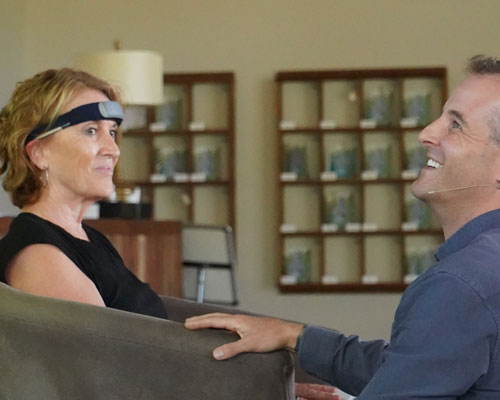
Judy Chapman tries out brain mapping at Gwinganna to see why it’s become so popular
First person: Relaxation rebooted
Does AI massage have a place in luxury spas? Cassandra Cavanah heads to The Ritz-Carlton Bacara, Santa Barbara to find out
Le Atelier by C.O.D.E. doesn't offer a standard bespoke service, it provides a highly
customised approach to designing massage beds and loungers in high-end wellness
environments. [more...]
Hotels homing in on wellness earn twice as much as non-wellness peers, reshaping hospitality investment strategies, according to new data from RLA Global
There’s a pivot towards experience-led luxury over traditional opulence / photo: Hilton Hotels & Resorts
Hotels with significant wellness components reported more than double the total revenue per available room (TRevPAR) of properties with no wellness income in 2024. That’s according to the new Wellness Real Estate Report by consultancy Resources for Leisure Assets (RLA) Global, developed in partnership with performance benchmarking specialist HotStats.
The report shows that major wellness properties – those generating over US$1 million (€932,700, £785,200) or 10 per cent of total revenue from wellness and leisure – outpaced both minor wellness sites and non-wellness hotels across KPIs.
Wellness premium Average TRevPAR at major wellness properties was 56 per cent higher than at minor wellness hotels and exceeded non-wellness hotels by a substantial 108 per cent.
Meanwhile, minor wellness hotels – those generating less than US$1 million (€932,700, £785,200) or 10 per cent of total revenue from wellness and leisure – led the way in year-on-year growth rates in RevPAR and TRevPAR. That’s particularly true in the luxury and upper upscale segments and for minor wellness hotels in Africa and the Middle East, which report double-digit gains, driven by a strong rebound in demand and leaner operating models.
Major difference While minor wellness sites posted the strongest percentage growth, the most dramatic uplift in absolute revenue was seen in major wellness hotels – particularly in the upscale segment. These properties achieved revenue KPI gains of up to 160 per cent.
“Major wellness hotels came roaring back in 2024,” says Roger Allen, group CEO of RLA Global, “displaying a standout top-line performance in TRevPAR and RevPAR and impressive year-on-year growth rates in the upscale category.
“The all-important bottom line performance showed major wellness outperforming minor wellness in gross operating profit per available room (GOPPAR) in absolute terms in 2024, but minor wellness had higher year-on-year GOPPAR growth compared to 2023.”
Rachael Rothman, head of hotels research and data analytics at CBRE, says: “Major wellness assets in the upscale segment are now outperforming even luxury properties in total revenue per room – a clear sign that traditional assumptions about service levels and positioning are being challenged. This shift could have significant implications for how capital is allocated and how future developments are designed.”
Occupancy and spend Occupancy trends remained relatively stable, sitting between 63-66 per cent, across all hotel types in 2024. Major and minor wellness sites posted slight increases, while non-wellness hotels saw a marginal decline. But ancillary revenue – a key component of TRevPAR – dipped slightly versus 2023, representing 56 per cent of TRevPAR at major wellness and 38 per cent at minor wellness properties.
Major wellness hotels led in leisure profitability, with a profit conversion rate of 49 per cent. Payroll represents a significant 35 per cent of their leisure income, but departmental expenses were at 16 per cent, suggesting efficient operational spending.
Food and beverage (F&B) revenue per occupied room grew by just 1 per cent across the board – and only at major wellness sites – underscoring that room and leisure departments are driving the lion’s share of revenue.
Looking ahead Despite strong top-line figures, researchers noted that monetisation opportunities in wellness remain under-leveraged.
The report also identified several emerging trends shaping development in 2025. A heightened demand for core health – lower stress levels and mental clarity – for example, is driving wellness design. There’s a pivot toward experience-led luxury over traditional opulence and a rising emphasis on sleep optimisation as a tool to increase repeat business.
For investors and operators, the message is clear: wellness is no longer a niche amenity but a key revenue and profit driver – and it’s redefining hospitality asset performance in both established and emerging markets.
"Major wellness hotels came roaring back, displaying standout top-line TRevPAR and RevPAR" - Roger Allen
Read more from this issue of Spa Business magazine
View contents of Spa Business 2025 issue 2
Editor’s letter: The Gen Z effect
With young adults reshaping our industry, affordable, community-based models are thriving, while traditional spas risk being left behind
Spa people: Novak Djokovic
Game, set, spa. The tennis star is poised to launch a biohacking pod while also entering a multi-year ambassador partnership with Aman
Spa people: Peter Attia
One of the most respected names in longevity medicine has co-founded preventative health clinic, Biograph
Spa people: Alexis Dean
The founder of Soak is on a mission to deliver social wellness without the hefty price tag across Australia
News report: Young influencers
Millennials and Gen Zers are redefining the wellness landscape according to new research by McKinsey
News report: Double vision
Fresh data from RLA Global reveals that hotels delivering wellness earn twice as much as those that don’t
Project preview: Laugarás Lagoon
Contrast bathing and fine dining are two USPs of a new geothermal destination in Iceland’s Golden Circle
Interview: Suzanne Holbrook
Marriott’s new global leader of spa, fitness and wellness talks candidly to Katie Barnes about her plans for the world’s largest hotel spa portfolio
Ask an expert: Vagus nerve
Insider insights into why this critical nerve is a key to wellbeing and how supportive treatments are set to shake up spa menus. Kath Hudson reports
Research: Marginally speaking
CBRE’s latest numbers show that spa revenues in US hotels have edged upward, profits have slipped slightly and costs are down
Investigation: Dealing with death
With a new openness emerging around the subject of end-of-life care, Julie Cramer investigates whether spas could offer death doula services
Trend: Head first
Judy Chapman tries out brain mapping at Gwinganna to see why it’s become so popular
First person: Relaxation rebooted
Does AI massage have a place in luxury spas? Cassandra Cavanah heads to The Ritz-Carlton Bacara, Santa Barbara to find out
Global Wellness Day (GWD) will mark its 15th anniversary on Saturday 13 June 2026, with the
theme: #JoyMagenta – a celebration of the healing qualities of simple gestures and activities
that spark joy.
Global luxury hospitality brand, Six Senses, has partnered with longevity healthcare provider,
HUM2N, to launch a clinic at Six Senses London, at The Whiteley.
As part of its first hotel partnership, Mayrlife – the medical health resort company known for its
site in Altaussee, Austria – has launched a day clinic at the Rosewood Vienna.
Premium London health club, KX Chelsea, will imminently unveil its most significant
redevelopment since its launch in 2002 to create an integrated wellness model combining
training, recovery and relaxation.
Rosewood Le Guanahani St Barth, on the northeast coast of Saint Barthélemy in the French
West Indies, is offering a programme of ocean-inspired yoga classes between 8-14 June to
celebrate Global Wellness Day (GWD).
Hotel de France, located on the British Isle of Jersey, has created a wellness retreat package
that includes a hot yoga session that will take place in Jersey Zoo’s butterfly sanctuary.
The Ritz-Carlton, Langkawi, in Malaysia, has revealed a schedule for Global Wellness Day
(GWD) that includes guided rainforest walks, mindful movement and guided coastal meditation
experiences.
Longevitix, a clinical platform for preventive and longevity medicine, has launched its AI-
powered intelligence system to help physicians deliver continuous, personalised longevity-
focused care at scale.
Atmantan Wellness Centre, an integrative wellness destination in Mulshi, near Pune in India, is
expanding its portfolio by adding a new centre in Hyderabad that will launch between 2028 and
2029.
A recent survey by the UK Spa Association (UKSA) into the industry’s approach to cancer care
has revealed that almost half of participating respondents (46 per cent) are unaware that
cancer is a disability and guests with a cancer diagnosis must be given
Le Atelier by C.O.D.E. doesn't offer a standard bespoke service, it provides a highly
customised approach to designing massage beds and loungers in high-end wellness
environments. [more...]