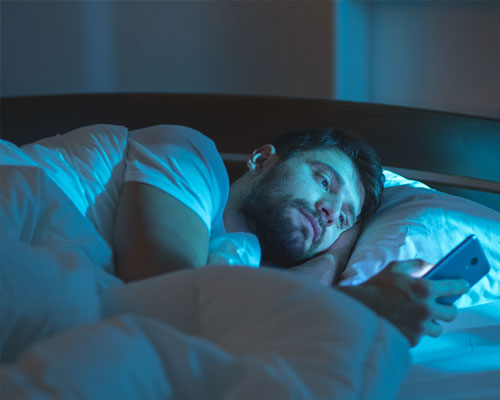
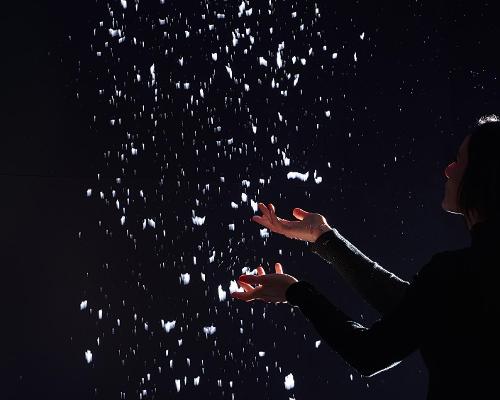
This is one of the first studies of its kind to focus on younger men / photo: shutterstock/WeAre
Not getting enough shut-eye affects biomarkers associated with cardiovascular disease (CVD), according to a new study by researchers at Uppsala University in Sweden.
Many existing larger studies on the link between sleep deprivation and the risk of CVD focus on older individuals who already have an increased risk. This one, published in the Biomarker Research journal*, focused on men with an average age of 23.
According to the researchers, nearly half of Swedes regularly experience disturbed sleep and chronic lack of sleep is a growing public health concern.
Sleep lab tests Sixteen young men with an average BMI of 23 and healthy sleep habits spent time in a sleep laboratory where their meals and activity levels were controlled in two sessions.
In one session, the participants got a normal amount of sleep (8.5 hours) for three consecutive nights, while during the other session, they only had 4.25 hours of shut-eye.
Blood samples were collected during both sessions in the morning and evenings and following high-intensity 30-minute workouts. The samples were used to measure the levels of around 90 different proteins in the blood, looking at inflammation and increased risk of serious conditions such as heart failure and coronary artery disease.
Three-night difference The levels of proteins in the blood already linked to CVD increased after only three nights of sleep deprivation, despite participants previously being healthy.
“This means it’s important to emphasise the significance of sleep for CV health even in early life,” says study lead Jonathan Cedernaes, a physician and assistant professor at Uppsala University.
The researchers did note that after physical exercise, proteins linked to the positive effects of exercise increased whether the participant was sleep-deprived or not. They concluded that while exercise can offset some of the negative effects that poor sleep can cause, it cannot replace the overall health benefits of sleep.
Ongoing research will develop guidelines on how sleep, exercise and other lifestyle factors can be combined to prevent CVD.
*Brandao, LEM et al. The Overlooked Trio: Sleep Duration, Sampling Time and Physical Exercise Alter Levels of Olink-Assessed Blood Biomarkers of Cardiovascular Risk. Biomarker Research. 2025
Read more from this issue of Spa Business magazine
View contents of Spa Business 2025 issue 2
Editor’s letter: The Gen Z effect
With young adults reshaping our industry, affordable, community-based models are thriving, while traditional spas risk being left behind
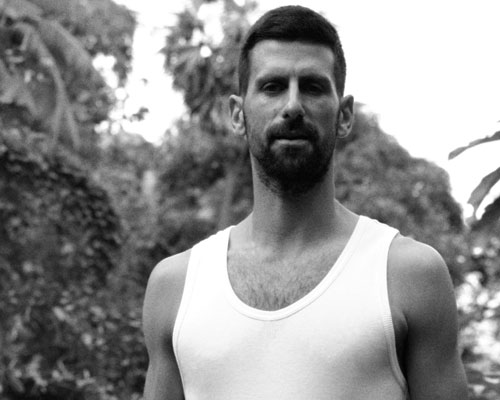
Spa people: Novak Djokovic
Game, set, spa. The tennis star is poised to launch a biohacking pod while also entering a multi-year ambassador partnership with Aman
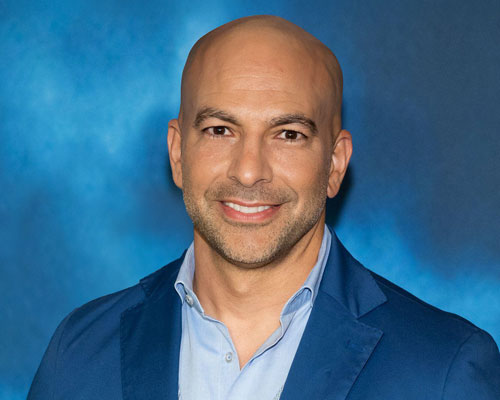
Spa people: Peter Attia
One of the most respected names in longevity medicine has co-founded preventative health clinic, Biograph
Spa people: Alexis Dean
The founder of Soak is on a mission to deliver social wellness without the hefty price tag across Australia
News report: Young influencers
Millennials and Gen Zers are redefining the wellness landscape according to new research by McKinsey
News report: Double vision
Fresh data from RLA Global reveals that hotels delivering wellness earn twice as much as those that don’t
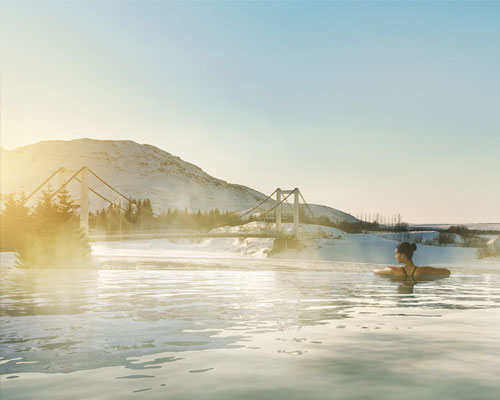
Project preview: Laugarás Lagoon
Contrast bathing and fine dining are two USPs of a new geothermal destination in Iceland’s Golden Circle
Interview: Suzanne Holbrook
Marriott’s new global leader of spa, fitness and wellness talks candidly to Katie Barnes about her plans for the world’s largest hotel spa portfolio
Ask an expert: Vagus nerve
Insider insights into why this critical nerve is a key to wellbeing and how supportive treatments are set to shake up spa menus. Kath Hudson reports
Research: Marginally speaking
CBRE’s latest numbers show that spa revenues in US hotels have edged upward, profits have slipped slightly and costs are down
Investigation: Dealing with death
With a new openness emerging around the subject of end-of-life care, Julie Cramer investigates whether spas could offer death doula services
Trend: Head first
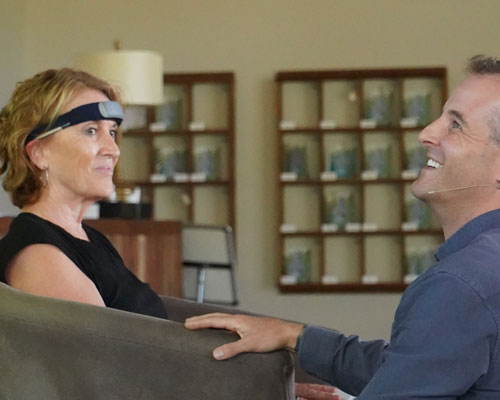
Judy Chapman tries out brain mapping at Gwinganna to see why it’s become so popular
First person: Relaxation rebooted
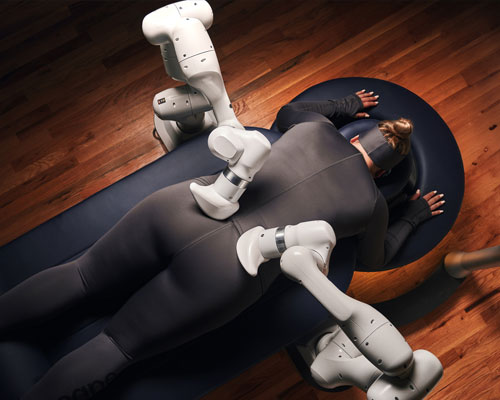
Does AI massage have a place in luxury spas? Cassandra Cavanah heads to The Ritz-Carlton Bacara, Santa Barbara to find out
In the fast-paced world of fitness and wellness, where high-intensity workouts push us to
our limits and the sweat pours, the importance of efficient recovery cannot be overstated. [more...]
+ More featured suppliers
COMPANY PROFILES
Lemi Group
Lemi Group designs and produces treatment tables, chairs and multi-functional furniture and equipmen [more...]
Swissline by Dermalab
Inspired by the science of cellular rejuvenation and driven by the desire to optimise skin health an [more...]
This is one of the first studies of its kind to focus on younger men / photo: shutterstock/WeAre
Not getting enough shut-eye affects biomarkers associated with cardiovascular disease (CVD), according to a new study by researchers at Uppsala University in Sweden.
Many existing larger studies on the link between sleep deprivation and the risk of CVD focus on older individuals who already have an increased risk. This one, published in the Biomarker Research journal*, focused on men with an average age of 23.
According to the researchers, nearly half of Swedes regularly experience disturbed sleep and chronic lack of sleep is a growing public health concern.
Sleep lab tests Sixteen young men with an average BMI of 23 and healthy sleep habits spent time in a sleep laboratory where their meals and activity levels were controlled in two sessions.
In one session, the participants got a normal amount of sleep (8.5 hours) for three consecutive nights, while during the other session, they only had 4.25 hours of shut-eye.
Blood samples were collected during both sessions in the morning and evenings and following high-intensity 30-minute workouts. The samples were used to measure the levels of around 90 different proteins in the blood, looking at inflammation and increased risk of serious conditions such as heart failure and coronary artery disease.
Three-night difference The levels of proteins in the blood already linked to CVD increased after only three nights of sleep deprivation, despite participants previously being healthy.
“This means it’s important to emphasise the significance of sleep for CV health even in early life,” says study lead Jonathan Cedernaes, a physician and assistant professor at Uppsala University.
The researchers did note that after physical exercise, proteins linked to the positive effects of exercise increased whether the participant was sleep-deprived or not. They concluded that while exercise can offset some of the negative effects that poor sleep can cause, it cannot replace the overall health benefits of sleep.
Ongoing research will develop guidelines on how sleep, exercise and other lifestyle factors can be combined to prevent CVD.
*Brandao, LEM et al. The Overlooked Trio: Sleep Duration, Sampling Time and Physical Exercise Alter Levels of Olink-Assessed Blood Biomarkers of Cardiovascular Risk. Biomarker Research. 2025
Read more from this issue of Spa Business magazine
View contents of Spa Business 2025 issue 2
Editor’s letter: The Gen Z effect
With young adults reshaping our industry, affordable, community-based models are thriving, while traditional spas risk being left behind
Spa people: Novak Djokovic
Game, set, spa. The tennis star is poised to launch a biohacking pod while also entering a multi-year ambassador partnership with Aman
Spa people: Peter Attia
One of the most respected names in longevity medicine has co-founded preventative health clinic, Biograph
Spa people: Alexis Dean
The founder of Soak is on a mission to deliver social wellness without the hefty price tag across Australia
News report: Young influencers
Millennials and Gen Zers are redefining the wellness landscape according to new research by McKinsey
News report: Double vision
Fresh data from RLA Global reveals that hotels delivering wellness earn twice as much as those that don’t
Project preview: Laugarás Lagoon
Contrast bathing and fine dining are two USPs of a new geothermal destination in Iceland’s Golden Circle
Interview: Suzanne Holbrook
Marriott’s new global leader of spa, fitness and wellness talks candidly to Katie Barnes about her plans for the world’s largest hotel spa portfolio
Ask an expert: Vagus nerve
Insider insights into why this critical nerve is a key to wellbeing and how supportive treatments are set to shake up spa menus. Kath Hudson reports
Research: Marginally speaking
CBRE’s latest numbers show that spa revenues in US hotels have edged upward, profits have slipped slightly and costs are down
Investigation: Dealing with death
With a new openness emerging around the subject of end-of-life care, Julie Cramer investigates whether spas could offer death doula services
Trend: Head first
Judy Chapman tries out brain mapping at Gwinganna to see why it’s become so popular
First person: Relaxation rebooted
Does AI massage have a place in luxury spas? Cassandra Cavanah heads to The Ritz-Carlton Bacara, Santa Barbara to find out
Hand and Stone Massage and Facial Spa, the spa business with more than 650 locations across
the US and Canada, has appointed franchise expert Carrie Walsh as CEO as the company plans
to expand.
Synergy – The Retreat Show, the global trade show for retreats, has launched a global research
initiative that will provide insights into the retreat sector from both consumer and industry
perspectives.
The Wellness Tourism Association (WTA) has published a non-regulatory global industry
framework designed to ensure the retreat market offers responsible experiences.
A new survey of UK and international spa practitioners shows that stress, burnout and
wellbeing concerns have caused one in three respondents to consider leaving the industry.
The UK's four Chief Medical Officers have published a refreshed edition of Physical activity
guidelines: UK Chief Medical Officers' report, updating the evidence that underpins the nation's
physical activity recommendations and placing greater emphasis on strength, balance, reducing
sedentary behaviour and, for the first time, supporting people taking weight loss medications.
Anna Bjurstam has left her role as Wellness Pioneer at Six Senses Hotels and Resorts and
launched a new wellness, longevity and “consciousness consultancy” called Wahayla.
Fairmont Cheshire, The Mere, has opened today (10 July) in the Northwest of England
with a
1,715sq m Fairmont Spa that has been designed using a ‘Wellness without Walls’
concept.
Wellness hotels generating less than US$1 million (€932,700, £785,200) – or 10 per cent of
total revenue from wellness and leisure – recorded the strongest RevPAR and TRevPAR growth
in 2025 across categories when compared with 2024, according to the latest Wellness Real
Estate Report by RLA Global, produced in partnership with P and L benchmarking firm HotStats.
In the fast-paced world of fitness and wellness, where high-intensity workouts push us to
our limits and the sweat pours, the importance of efficient recovery cannot be overstated. [more...]
+ More featured suppliers
COMPANY PROFILES
Lemi Group Lemi Group designs and produces treatment tables, chairs and multi-functional furniture and equipmen [more...]