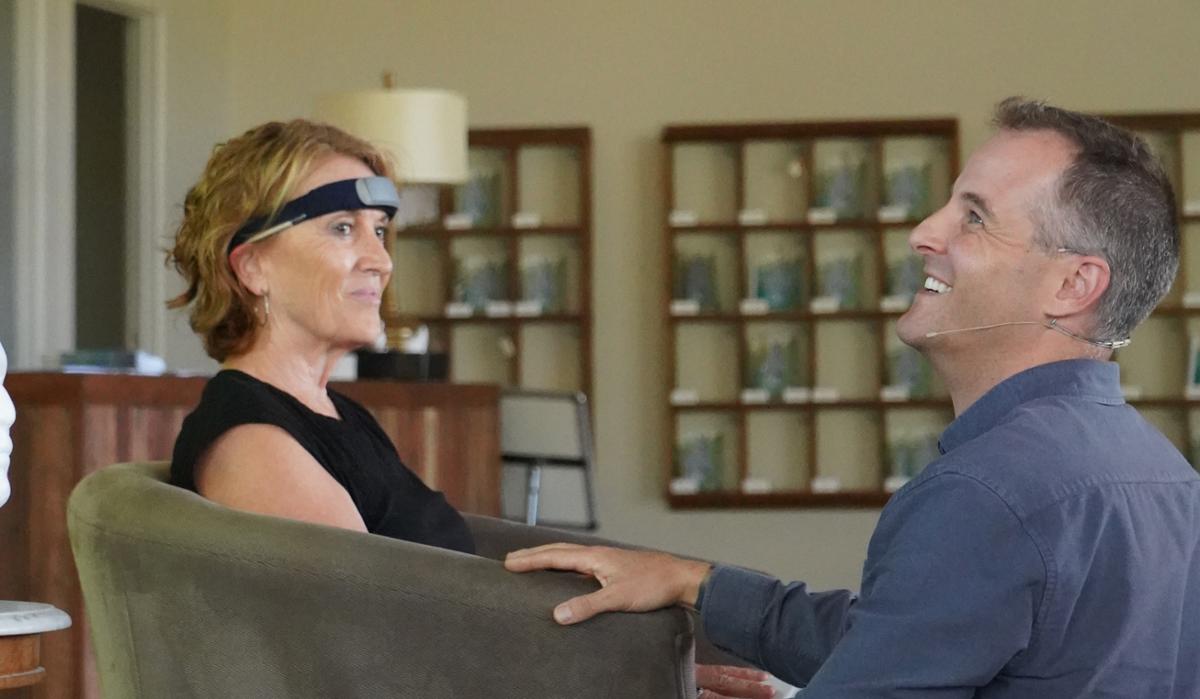
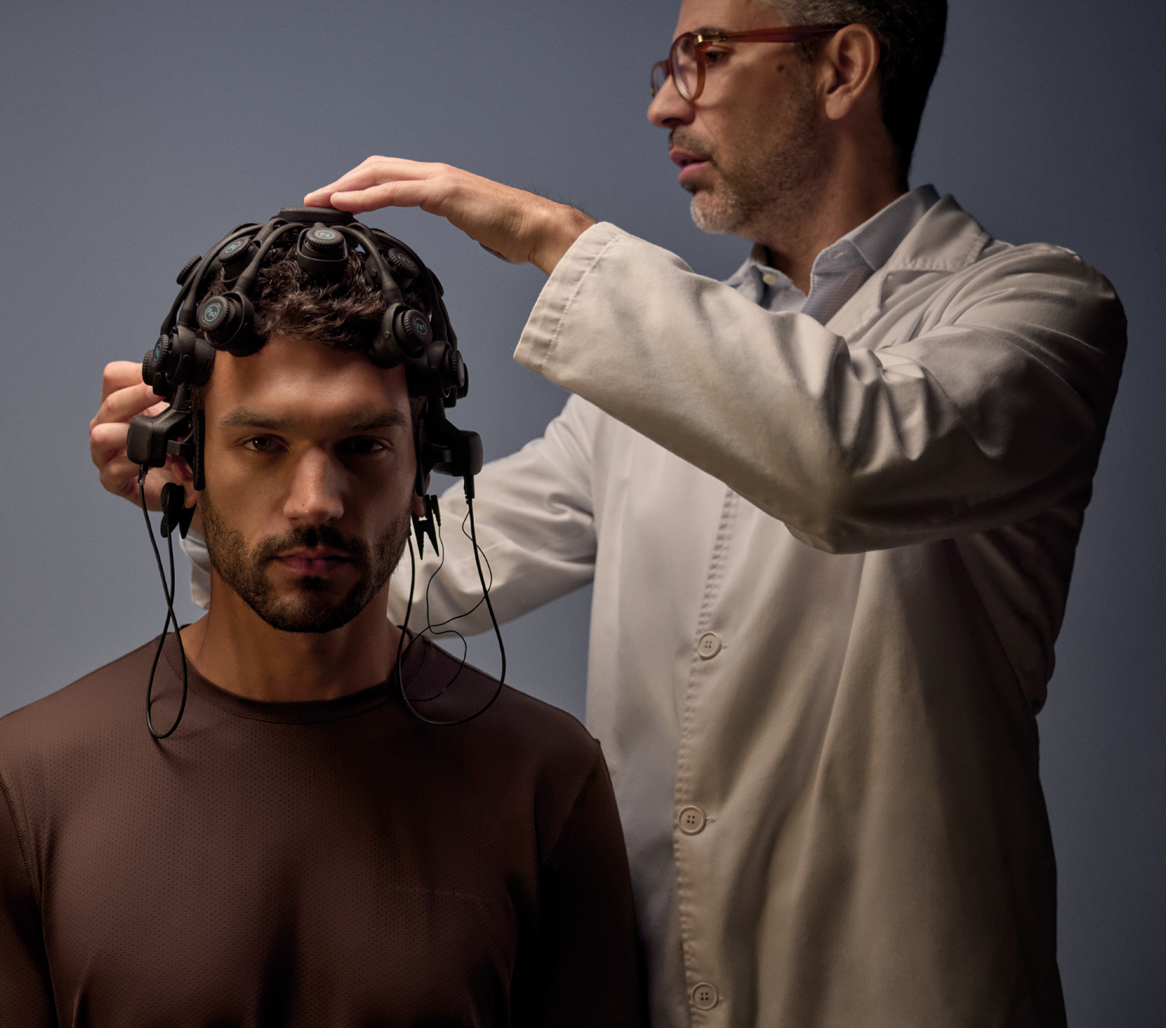
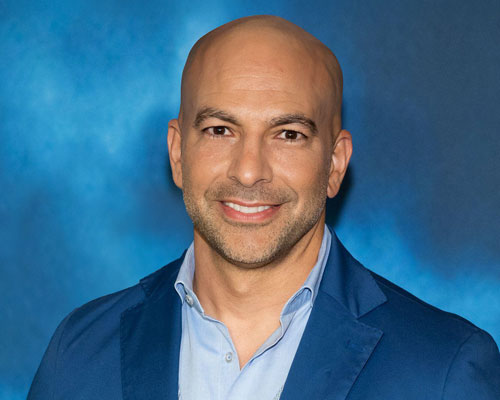
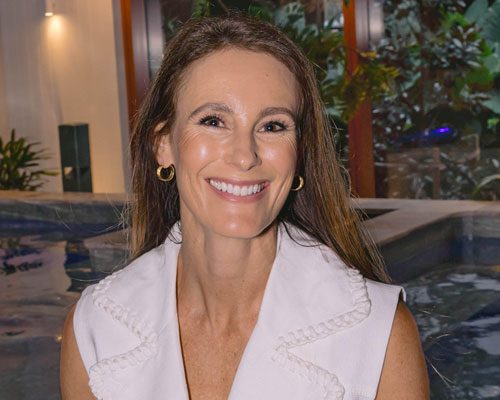
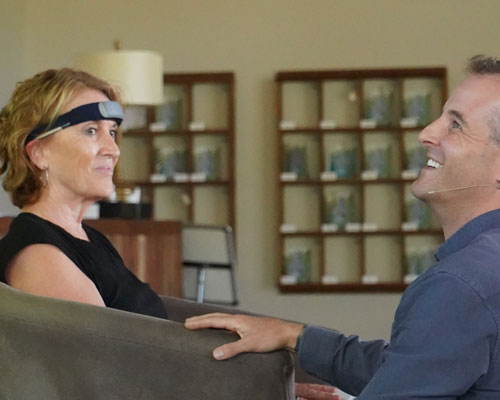
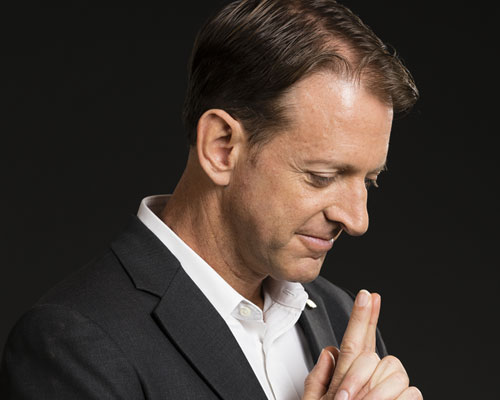
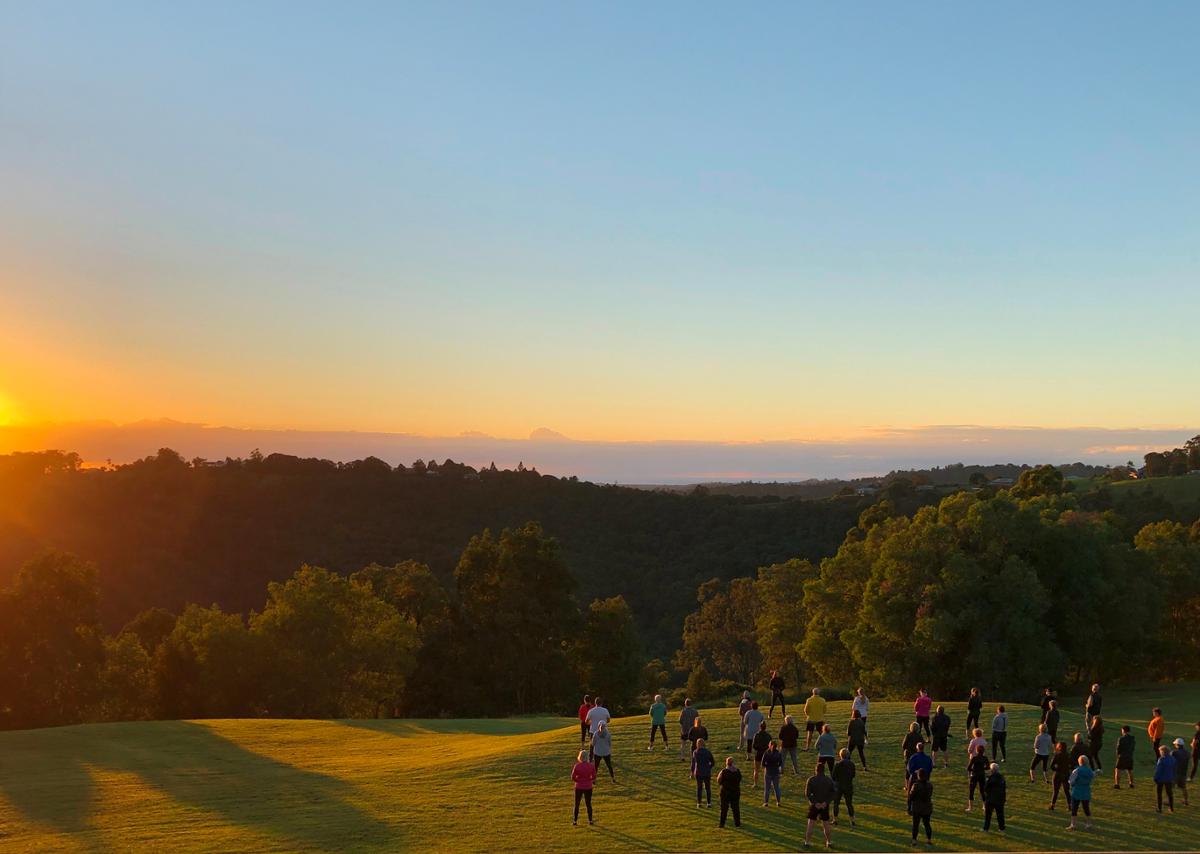
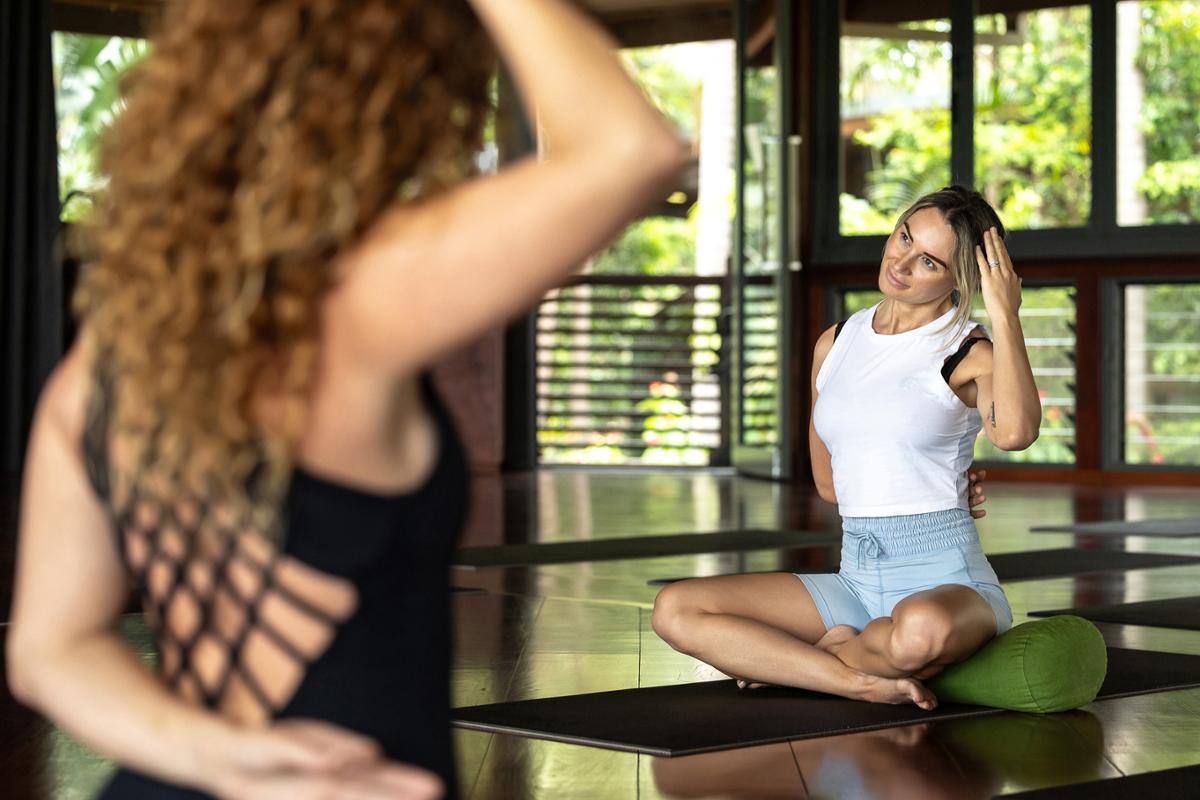
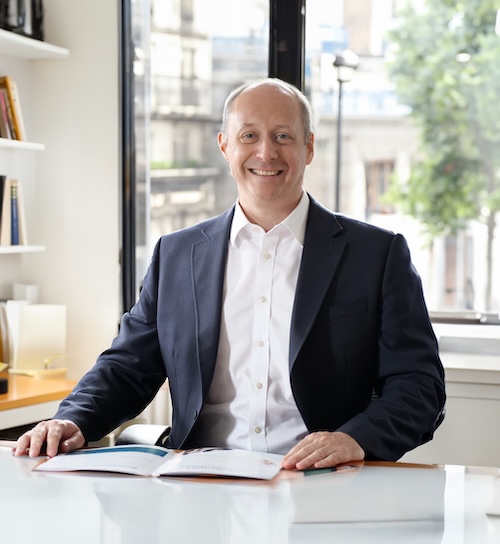
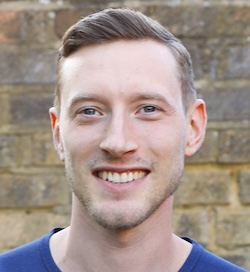
Gwinganna partners with Cameron Oates (right) from Neurotherapy Australia / photo: Gwinganna
As life expectancy rises, concerns about cognitive decline, including dementia and neurodegenerative diseases, are increasing. In response, leading wellness operators such as Kamalaya, Clinique La Prairie, SHA and Lanserhof are taking the initiative and pioneering brain-optimising diagnostics, treatments and programmes (see p96).
In Australia, the Gwinganna Lifestyle Retreat – which has just been put up for sale (see p27) – has partnered with Neurotherapy Australia to introduce qEEG (quantitative electroencephalogram) Brain Mapping. And the service is proving to be parcticularly popular.
The non-invasive approach provides insights into cognitive performance, mental and emotional health. From there, Neurotherapy Australia’s Cameron Oates, a neurofeedback specialist and life coach, suggests ways to modulate brain activity for any number of outcomes. In spas, advice and treatments could focus on reducing stress and alleviating anxiety, or boosting cognitive performance, while tackling symptoms of ADHD could be addressed in a clinical setting.
Given that the brain regulates our emotions, memory, thoughts and essential functions like heart rate and digestion, and that dementia is now the leading cause of death globally, such approaches may also play a vital role in promoting healthier, longer lives by addressing cognitive decline before it begins.
How it works Using sensors placed on the scalp, qEEG Brain Mapping analyses electrical activity in the brain in real time during various cognitive tasks, both with eyes closed and open.
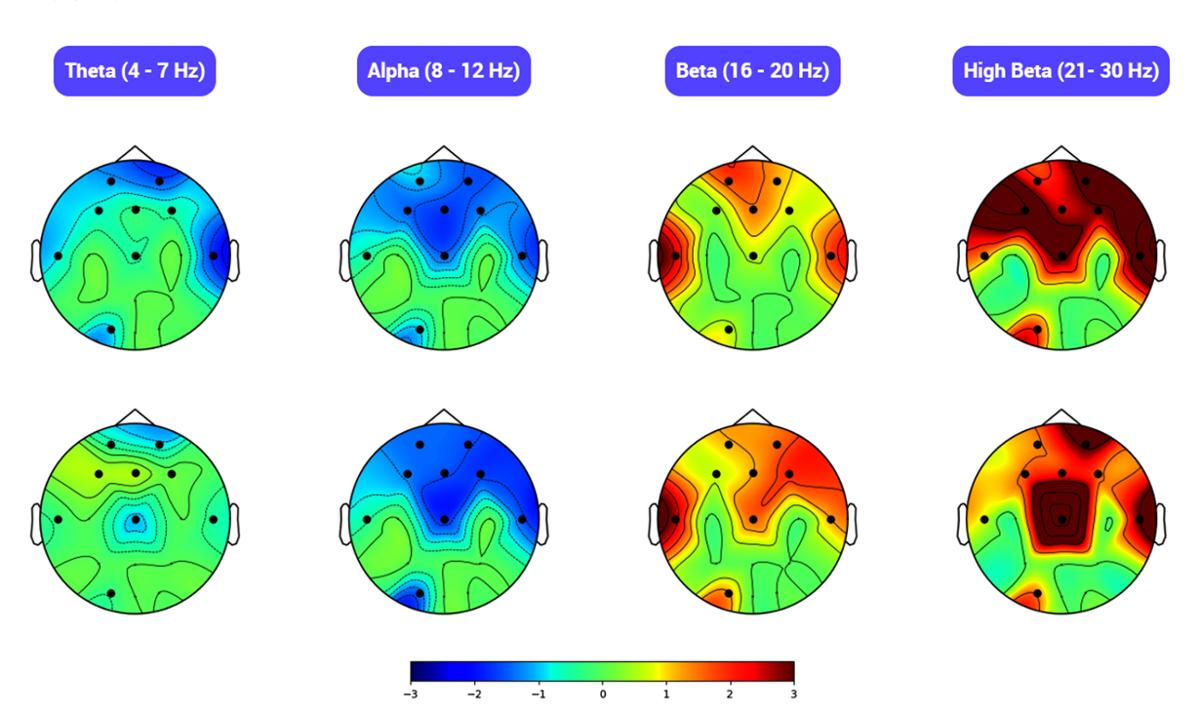
Colour-coded maps powered by Myndlift software reveal beta, alpha, theta and delta wave patterns, which are associated with different functions. The maps are used to show overactivity, underactivity and dysregulation in these areas, with data benchmarked against age and gender.
Excessive fast (high beta) wave activity in the frontal lobe may signal heightened stress, while slow (theta) waves could suggest ADHD-like symptoms. Elevated alpha waves in the left frontal cortex may relate to low mood states, while underactivity in the temporal lobe may suggest memory retention challenges common in dementia.
Oates explains that using brain mapping information, practitioners can tailor exercises and activities that help patients rebalance specific areas of their brain. In his own practice, he’s identified a whole gamut of interventions, from breathing techniques and sleep regulation to morning and nighttime routines, water intake and meditation.
How popular is it? “As the wellness industry evolves, we’re committed to consistently enhancing and delivering science-based, cutting-edge experiences,” says Melanie James, general manager at Gwinganna. “It’s our collaboration with Cameron [Oates] that’s made the brain mapping offering possible.”
Oates founded Neurotherapy Australia in 2022 with a goal of reducing the impacts of mental illness and stress by improving brain function. He’s led presentations at Gwinganna on his field of expertise for a number of years.
Gwinganna offers qEEG Brain Mapping as a speciality service for AU$320 (US$204, €180, £154). It includes an 80-minute session with Oates to record and interpret brain activity and suggest interventions, along with a follow-up with him two weeks later.
“The appeal of brain mapping is broad, attracting diverse markets across genders and demographics,” says James, adding that Gwinganna only offers it as a standalone treatment at this time.
Since its launch in September 2024, she says both bookings and revenues have increased. Oates conducts up to 18 sessions a month, making it Gwinganna’s most sought-after speciality experience. “This treatment has significantly boosted guest satisfaction and enhanced our industry reputation,” she explains. “Our primary operational challenge lies in effectively meeting the growing demand for it.”
Initial results I’ve visited Gwinganna several times, with my most recent experience being the Optimal Wellbeing programme. The five-night package, starting at AU$3,815 (US$2,465, €2,176, £1,845), includes a facial, massage and AU$100 (US$64, €56, £48) towards a wellness therapy, along with seminars, cooking demonstrations, organic meals and accommodation.
Prior to my trip, I was sent a list of extra services (not included in my package) that might be of interest and the unique brain mapping treatment intrigued me. Since my great aunt’s passing from dementia, I have a keen interest in brain longevity.
Interestingly, there was significant focus on brain health in the Optimal Wellbeing programme. In the daily seminars, practitioners shared research on how poor sleep and chronic stress accelerate cognitive decline. Oates’ seminar on day three was particularly engaging. Pulling a guest from the crowd and fitting a headset on them, he started tracking their brainwaves in real time. No script, no prep. We watched their brain activity shift from scattered static to smooth, steady waves.
“I can see straight away that your sleep is potentially dysregulated in both your deep and REM cycles,” was the first thing Oates said to me in my personal session. A disheartening revelation given my strict sleep routine.
He also observed high beta activity in my frontal lobe, likely due to excessive thinking and screen use, yet at the same time, noted that all areas of my brain were low in energy. An interesting duality, indicating I need downtime to recharge.
Fortunately, there were no signs of cognitive decline. My qEEG revealed excellent stress and emotional regulation. This resonated with my 20 years of mind-equalising practices.
Getting prescriptive In my compelling prescription phase, Oates suggested three practices to improve brain rest: sunrise sun gazing for circadian rhythm support, regular mental breaks and his 4 to Restore breathing technique to build on heart and brain coherence. He also suggested cold plunges would be a benefit, as all areas of my brain could use a bit of invigorating.
“With continued practice, this builds resilience in the autonomic nervous system,” he says, “enhancing focus, improved cognitive function, better sleep quality, better decision making and enhanced performance in a variety of activities.”
He also cautioned against drinking alcohol in the evening, as it disrupts brain rest during sleep.
An unexpected highlight was the detailed follow-up call two weeks later. The two-part structure enables Oates to analyse the brain map more thoroughly and further personalise advice. Most of the extra insights were positive and I appreciate that his lifestyle suggestions are free, cumulative and can be practised anywhere, anytime.
Since my brain mapping experience, I now incorporate regular mental breaks throughout the day, which I enjoy and have upgraded my fitness routine. While I haven’t mastered sunrise for sun gazing, I step outside each morning to connect with nature before using screens. The 4 to Restore technique helps me destress and I wake up with more energy – so something has shifted.
Mostly, I’m more attuned to how screens affect my sleep and how little downtime I allow myself to simply unwind. It’s motivated me to prioritise social interactions focused on outdoor activities, such as hiking, to create a healthier balance.
For a AU$320 investment, it’s been a very good investment and contributed enormously to my health journey.
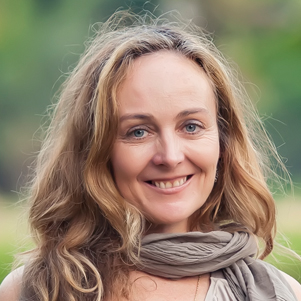
photo: Gwinganna
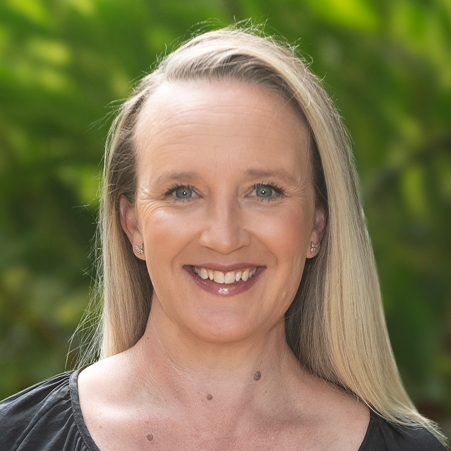
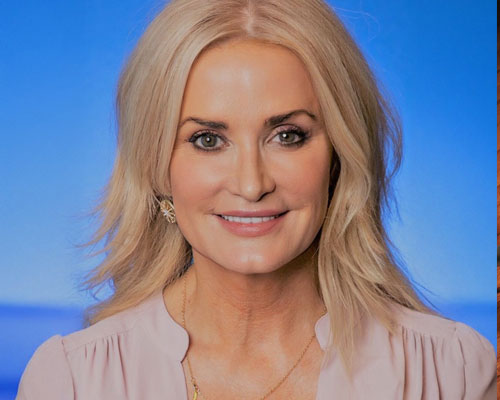
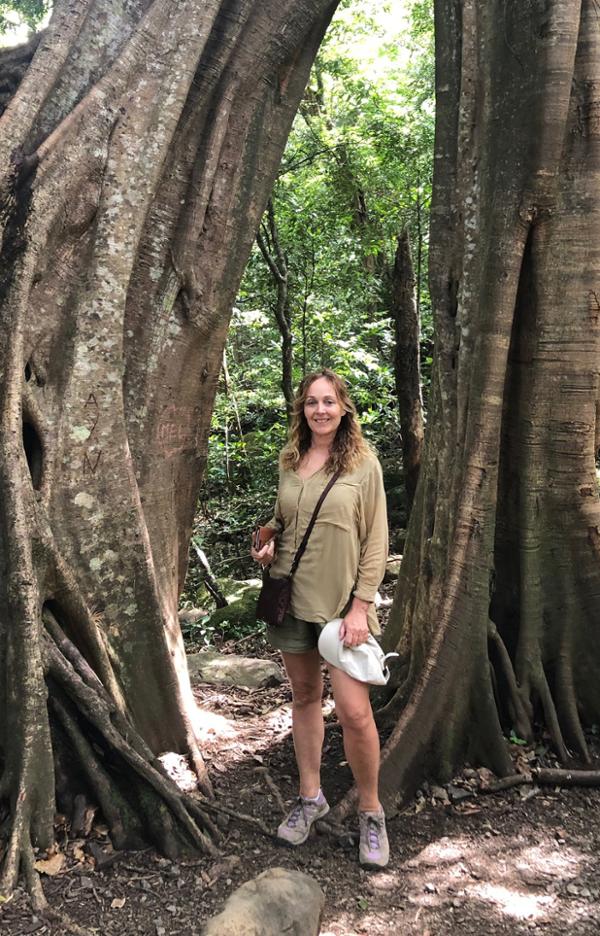
"Since my brain mapping experience, I now incorporate regular mental breaks throughout the day" – Judy Chapman
photo: Gwinganna
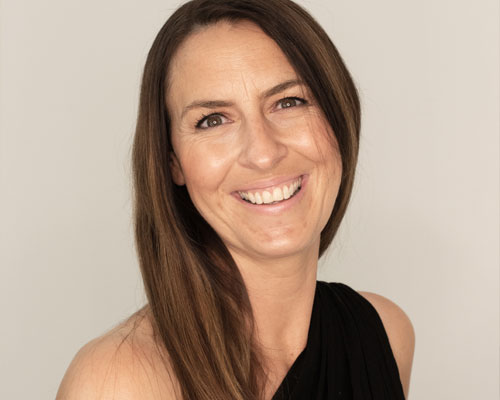
"Brain mapping is our most sought-after speciality service" – Melanie James
Brain health: a growing trend
Wellness operators around the world are introducing brain health services.
In March, Kamalaya in Thailand launched The Cognitive House, a purpose-built centre dedicated to brain diagnostics and optimisation protocols. Treatments start at THB2,100 (US$62, €57, £48) for brain stimulation therapy.
Last year, Switzerland’s Clinique La Prairie unveiled a Brain Enhancement Program targeting cognitive health and rejuvenation. Priced from CHF28,400 (US$34,667, €30,478, £26,151), the seven-day package embraces medical diagnostics such as MRI and CT scans with calcium scoring, alongside cognitive assessments and psychology sessions. Its personalised ‘neuro-nutrition’ combines anti-inflammatory menus, longevity herbal infusions and nootropics.
The Enhance Your Cognitive Well-Being programme at Lanserhof Tegernsee in Germany is available in seven, 10, 14 and 21-day formats with packages starting at €11,908 (US$13,493, £10,094). It focuses on the brain-gut axis and offers extensive testing beyond conventional neurological assessments, including early detection of dementia. Treatments emphasise functional medicine principles, sleep optimisation, stress reduction and detoxification.
A Cognitive Boost pack can be added to programmes at SHA Wellness in Spain and Mexico for €1,350 (US$1,560, £1,152). Designed to enhance focus and memory, it includes a neurocognitive assessment at the start and end, two neuro technical sessions, a neuro training app and tailored vitamin supplements.
SHA Wellness offers a Cognitive Boost add on / photo: SHA Wellness
Read more from this issue of Spa Business magazine
View contents of Spa Business 2025 issue 2
Editor’s letter: The Gen Z effect
With young adults reshaping our industry, affordable, community-based models are thriving, while traditional spas risk being left behind
Spa people: Novak Djokovic
Game, set, spa. The tennis star is poised to launch a biohacking pod while also entering a multi-year ambassador partnership with Aman
Spa people: Peter Attia
One of the most respected names in longevity medicine has co-founded preventative health clinic, Biograph
Spa people: Alexis Dean
The founder of Soak is on a mission to deliver social wellness without the hefty price tag across Australia
News report: Young influencers
Millennials and Gen Zers are redefining the wellness landscape according to new research by McKinsey
News report: Double vision
Fresh data from RLA Global reveals that hotels delivering wellness earn twice as much as those that don’t
Project preview: Laugarás Lagoon
Contrast bathing and fine dining are two USPs of a new geothermal destination in Iceland’s Golden Circle
Interview: Suzanne Holbrook
Marriott’s new global leader of spa, fitness and wellness talks candidly to Katie Barnes about her plans for the world’s largest hotel spa portfolio
Ask an expert: Vagus nerve
Insider insights into why this critical nerve is a key to wellbeing and how supportive treatments are set to shake up spa menus. Kath Hudson reports
Research: Marginally speaking
CBRE’s latest numbers show that spa revenues in US hotels have edged upward, profits have slipped slightly and costs are down
Investigation: Dealing with death
With a new openness emerging around the subject of end-of-life care, Julie Cramer investigates whether spas could offer death doula services
Trend: Head first
Judy Chapman tries out brain mapping at Gwinganna to see why it’s become so popular
First person: Relaxation rebooted
Does AI massage have a place in luxury spas? Cassandra Cavanah heads to The Ritz-Carlton Bacara, Santa Barbara to find out
In the fast-paced world of fitness and wellness, where high-intensity workouts push us to
our limits and the sweat pours, the importance of efficient recovery cannot be overstated. [more...]
The MSpa Oslo series is a perennial bestseller in global markets. With innovative
engineering and premium performance, this completely portable spa line-up is expertly
designed to meet the needs of customers worldwide. [more...]
+ More featured suppliers
COMPANY PROFILES
Yon-Ka
Founded
in 1954, the Yon-Ka Paris combines nature,
science, and sensoriality to create
results-dr [more...]
Trybe
Trybe was founded back in 2020, and the past five years has seen Trybe become the fastest growing al [more...]
Gwinganna partners with Cameron Oates (right) from Neurotherapy Australia / photo: Gwinganna
As life expectancy rises, concerns about cognitive decline, including dementia and neurodegenerative diseases, are increasing. In response, leading wellness operators such as Kamalaya, Clinique La Prairie, SHA and Lanserhof are taking the initiative and pioneering brain-optimising diagnostics, treatments and programmes (see p96).
In Australia, the Gwinganna Lifestyle Retreat – which has just been put up for sale (see p27) – has partnered with Neurotherapy Australia to introduce qEEG (quantitative electroencephalogram) Brain Mapping. And the service is proving to be parcticularly popular.
The non-invasive approach provides insights into cognitive performance, mental and emotional health. From there, Neurotherapy Australia’s Cameron Oates, a neurofeedback specialist and life coach, suggests ways to modulate brain activity for any number of outcomes. In spas, advice and treatments could focus on reducing stress and alleviating anxiety, or boosting cognitive performance, while tackling symptoms of ADHD could be addressed in a clinical setting.
Given that the brain regulates our emotions, memory, thoughts and essential functions like heart rate and digestion, and that dementia is now the leading cause of death globally, such approaches may also play a vital role in promoting healthier, longer lives by addressing cognitive decline before it begins.
How it works Using sensors placed on the scalp, qEEG Brain Mapping analyses electrical activity in the brain in real time during various cognitive tasks, both with eyes closed and open.
Colour-coded maps powered by Myndlift software reveal beta, alpha, theta and delta wave patterns, which are associated with different functions. The maps are used to show overactivity, underactivity and dysregulation in these areas, with data benchmarked against age and gender.
Excessive fast (high beta) wave activity in the frontal lobe may signal heightened stress, while slow (theta) waves could suggest ADHD-like symptoms. Elevated alpha waves in the left frontal cortex may relate to low mood states, while underactivity in the temporal lobe may suggest memory retention challenges common in dementia.
Oates explains that using brain mapping information, practitioners can tailor exercises and activities that help patients rebalance specific areas of their brain. In his own practice, he’s identified a whole gamut of interventions, from breathing techniques and sleep regulation to morning and nighttime routines, water intake and meditation.
How popular is it? “As the wellness industry evolves, we’re committed to consistently enhancing and delivering science-based, cutting-edge experiences,” says Melanie James, general manager at Gwinganna. “It’s our collaboration with Cameron [Oates] that’s made the brain mapping offering possible.”
Oates founded Neurotherapy Australia in 2022 with a goal of reducing the impacts of mental illness and stress by improving brain function. He’s led presentations at Gwinganna on his field of expertise for a number of years.
Gwinganna offers qEEG Brain Mapping as a speciality service for AU$320 (US$204, €180, £154). It includes an 80-minute session with Oates to record and interpret brain activity and suggest interventions, along with a follow-up with him two weeks later.
“The appeal of brain mapping is broad, attracting diverse markets across genders and demographics,” says James, adding that Gwinganna only offers it as a standalone treatment at this time.
Since its launch in September 2024, she says both bookings and revenues have increased. Oates conducts up to 18 sessions a month, making it Gwinganna’s most sought-after speciality experience. “This treatment has significantly boosted guest satisfaction and enhanced our industry reputation,” she explains. “Our primary operational challenge lies in effectively meeting the growing demand for it.”
Initial results I’ve visited Gwinganna several times, with my most recent experience being the Optimal Wellbeing programme. The five-night package, starting at AU$3,815 (US$2,465, €2,176, £1,845), includes a facial, massage and AU$100 (US$64, €56, £48) towards a wellness therapy, along with seminars, cooking demonstrations, organic meals and accommodation.
Prior to my trip, I was sent a list of extra services (not included in my package) that might be of interest and the unique brain mapping treatment intrigued me. Since my great aunt’s passing from dementia, I have a keen interest in brain longevity.
Interestingly, there was significant focus on brain health in the Optimal Wellbeing programme. In the daily seminars, practitioners shared research on how poor sleep and chronic stress accelerate cognitive decline. Oates’ seminar on day three was particularly engaging. Pulling a guest from the crowd and fitting a headset on them, he started tracking their brainwaves in real time. No script, no prep. We watched their brain activity shift from scattered static to smooth, steady waves.
“I can see straight away that your sleep is potentially dysregulated in both your deep and REM cycles,” was the first thing Oates said to me in my personal session. A disheartening revelation given my strict sleep routine.
He also observed high beta activity in my frontal lobe, likely due to excessive thinking and screen use, yet at the same time, noted that all areas of my brain were low in energy. An interesting duality, indicating I need downtime to recharge.
Fortunately, there were no signs of cognitive decline. My qEEG revealed excellent stress and emotional regulation. This resonated with my 20 years of mind-equalising practices.
Getting prescriptive In my compelling prescription phase, Oates suggested three practices to improve brain rest: sunrise sun gazing for circadian rhythm support, regular mental breaks and his 4 to Restore breathing technique to build on heart and brain coherence. He also suggested cold plunges would be a benefit, as all areas of my brain could use a bit of invigorating.
“With continued practice, this builds resilience in the autonomic nervous system,” he says, “enhancing focus, improved cognitive function, better sleep quality, better decision making and enhanced performance in a variety of activities.”
He also cautioned against drinking alcohol in the evening, as it disrupts brain rest during sleep.
An unexpected highlight was the detailed follow-up call two weeks later. The two-part structure enables Oates to analyse the brain map more thoroughly and further personalise advice. Most of the extra insights were positive and I appreciate that his lifestyle suggestions are free, cumulative and can be practised anywhere, anytime.
Since my brain mapping experience, I now incorporate regular mental breaks throughout the day, which I enjoy and have upgraded my fitness routine. While I haven’t mastered sunrise for sun gazing, I step outside each morning to connect with nature before using screens. The 4 to Restore technique helps me destress and I wake up with more energy – so something has shifted.
Mostly, I’m more attuned to how screens affect my sleep and how little downtime I allow myself to simply unwind. It’s motivated me to prioritise social interactions focused on outdoor activities, such as hiking, to create a healthier balance.
For a AU$320 investment, it’s been a very good investment and contributed enormously to my health journey.
photo: Gwinganna
"Since my brain mapping experience, I now incorporate regular mental breaks throughout the day" – Judy Chapman
photo: Gwinganna
"Brain mapping is our most sought-after speciality service" – Melanie James
Brain health: a growing trend
Wellness operators around the world are introducing brain health services.
In March, Kamalaya in Thailand launched The Cognitive House, a purpose-built centre dedicated to brain diagnostics and optimisation protocols. Treatments start at THB2,100 (US$62, €57, £48) for brain stimulation therapy.
Last year, Switzerland’s Clinique La Prairie unveiled a Brain Enhancement Program targeting cognitive health and rejuvenation. Priced from CHF28,400 (US$34,667, €30,478, £26,151), the seven-day package embraces medical diagnostics such as MRI and CT scans with calcium scoring, alongside cognitive assessments and psychology sessions. Its personalised ‘neuro-nutrition’ combines anti-inflammatory menus, longevity herbal infusions and nootropics.
The Enhance Your Cognitive Well-Being programme at Lanserhof Tegernsee in Germany is available in seven, 10, 14 and 21-day formats with packages starting at €11,908 (US$13,493, £10,094). It focuses on the brain-gut axis and offers extensive testing beyond conventional neurological assessments, including early detection of dementia. Treatments emphasise functional medicine principles, sleep optimisation, stress reduction and detoxification.
A Cognitive Boost pack can be added to programmes at SHA Wellness in Spain and Mexico for €1,350 (US$1,560, £1,152). Designed to enhance focus and memory, it includes a neurocognitive assessment at the start and end, two neuro technical sessions, a neuro training app and tailored vitamin supplements.
SHA Wellness offers a Cognitive Boost add on / photo: SHA Wellness
Read more from this issue of Spa Business magazine
View contents of Spa Business 2025 issue 2
Editor’s letter: The Gen Z effect
With young adults reshaping our industry, affordable, community-based models are thriving, while traditional spas risk being left behind
Spa people: Novak Djokovic
Game, set, spa. The tennis star is poised to launch a biohacking pod while also entering a multi-year ambassador partnership with Aman
Spa people: Peter Attia
One of the most respected names in longevity medicine has co-founded preventative health clinic, Biograph
Spa people: Alexis Dean
The founder of Soak is on a mission to deliver social wellness without the hefty price tag across Australia
News report: Young influencers
Millennials and Gen Zers are redefining the wellness landscape according to new research by McKinsey
News report: Double vision
Fresh data from RLA Global reveals that hotels delivering wellness earn twice as much as those that don’t
Project preview: Laugarás Lagoon
Contrast bathing and fine dining are two USPs of a new geothermal destination in Iceland’s Golden Circle
Interview: Suzanne Holbrook
Marriott’s new global leader of spa, fitness and wellness talks candidly to Katie Barnes about her plans for the world’s largest hotel spa portfolio
Ask an expert: Vagus nerve
Insider insights into why this critical nerve is a key to wellbeing and how supportive treatments are set to shake up spa menus. Kath Hudson reports
Research: Marginally speaking
CBRE’s latest numbers show that spa revenues in US hotels have edged upward, profits have slipped slightly and costs are down
Investigation: Dealing with death
With a new openness emerging around the subject of end-of-life care, Julie Cramer investigates whether spas could offer death doula services
Trend: Head first
Judy Chapman tries out brain mapping at Gwinganna to see why it’s become so popular
First person: Relaxation rebooted
Does AI massage have a place in luxury spas? Cassandra Cavanah heads to The Ritz-Carlton Bacara, Santa Barbara to find out
Jessica Sloyan, a wellness operations and training expert, has established an independent
private training academy to provide professional qualifications for practitioners looking to offer
immersive wellness experiences.
The International Spa Association (ISPA) has published its full 2026 US Spa Industry Study,
providing further insights into the region’s total US$1 billion (€855 million, £780 million)
industry revenue increase from 2024 to 2025.
Ameyalli, the 78-acre wellbeing resort and residential community in Midway in Utah, US, has
broken ground on phase two of the hot spring development – the Ameyalli Resort and Spa –
which is due to open in 2028.
TLee Spas and Wellness has revealed the design concept for a high-tech spa with body
mapping scanners to improve public health, for AI company Midjourney.
Gran Hotel Taoro in northern Tenerife, Spain, has completed the final phase of its three-year
renovation with the debut of its Sandára Wellness Centre.
Hand and Stone Massage and Facial Spa, the spa business with more than 650 locations across
the US and Canada, has appointed franchise expert Carrie Walsh as CEO as the company plans
to expand.
Synergy – The Retreat Show, the global trade show for retreats, has launched a global research
initiative that will provide insights into the retreat sector from both consumer and industry
perspectives.
The Wellness Tourism Association (WTA) has published a non-regulatory global industry
framework designed to ensure the retreat market offers responsible experiences.
A new survey of UK and international spa practitioners shows that stress, burnout and
wellbeing concerns have caused one in three respondents to consider leaving the industry.
In the fast-paced world of fitness and wellness, where high-intensity workouts push us to
our limits and the sweat pours, the importance of efficient recovery cannot be overstated. [more...]
The MSpa Oslo series is a perennial bestseller in global markets. With innovative
engineering and premium performance, this completely portable spa line-up is expertly
designed to meet the needs of customers worldwide. [more...]
+ More featured suppliers
COMPANY PROFILES
Yon-Ka Founded
in 1954, the Yon-Ka Paris combines nature,
science, and sensoriality to create
results-dr [more...]