Yes! Send me the FREE digital editions of Spa Business and Spa Business insider magazines and the FREE weekly Spa Business and Spa Business insider ezines and breaking news alerts!
Each spa runs independently in terms of its protocol, policies, operational procedures, training and treatment techniques and menu
Portuguese operator Tivoli Hotels & Resorts is to launch three more Banyan Tree spas at its properties in Portugal and Brazil. The openings will build on the existing partnership between the companies and double the number of Banyan Tree-operated spas at Tivoli hotels.
The first new spa was initially scheduled to open at Tivoli Hotel Lisboa in Lisbon in 2011, but the development was delayed due to the economic turbulence experienced in the Portuguese economy. The two others will be based in Brazil, according to Ravi Chandran, managing director of Banyan Tree’s spa operations (see sb11/2 p26).
He says: “We signed a contract to open a spa in Lisbon a few years ago. Construction hasn’t began yet but we do hope we will be able to start on it very soon.”
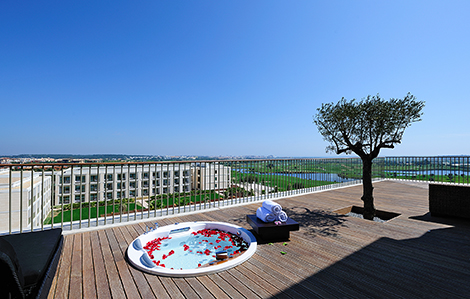
He added, however, that the hold up has led to some improvements. “The planned location of the spa has been changed from the basement level to the top of the hotel. This move will enable guests to enjoy superb views overlooking the city.”
The two other sites are still in planning, but are likely to come on line by 2014. “We’re exploring openings [with Tivoli] in Brazil and talks are in progress,” says Chandran.” There are a possible two new spa projects – one at [the existing] Tivoli Hotel in Bahia, located in the north-eastern region on the Atlantic coast, and another [in a new-build hotel] in Campinas in the coastal interior of the state of São Paulo. We are hoping to have these signed and open within the next two to three years.”
Banyan Tree spas at Tivoli hotels are operated on management contracts. Banyan Tree operates the spas for a period of time, which is fee-based in terms of revenue and profits. Each spa runs independently in terms of its protocol, policies, operational procedures, training and treatment techniques and menu. The spas also works closely with the Tivoli team on the sales and marketing initiatives on-site to better promote the spa brand in synergy with the Tivoli brand.
Banyan Tree is the only spa brand that Tivoli works with. Its only non-Banyan Tree spa is currently the Thalasso Spa at the Bahia, resort – one of the Brazilian resorts planned to include a Banyan Tree spa in the future.
The three existing Banyan Tree spas at Tivoli hotels – one each in Lisbon and Vilamoura in Portugal and another in São Paulo in Brazil – were Banyan Tree’s debut sites in Europe and South America.
The first one to open, in 2008, was the Angsana-branded spa at Tivoli Marina Vilamoura in the Algarve, Portugal. It was followed by two more in 2009 – Elements Spa By Banyan Tree Tivoli Victoria (also in Vilamoura) and Elements Spa By Banyan Tree at Tivoli São Paulo.
Tivoli Hotels & Resorts opened its first hotel, Tivoli Lisboa, in 1933. It’s currently owned by Luxembourg-based investment company Espirito Santo Group.
Read more from this issue of Spa Business magazine
Top team: Peninsula Hotels
Kath Hudson talks to key figures behind the leading Asian hotel chain about how they run their spas and exciting future plans
Profile: Cynthia Chua
The Singapore entrepreneur behind Ministry of Waxing and Browhaus has revolutionised personal grooming worldwide. She talks to Katie Barnes about the business of beauty and integration with spas
Hot springs: Chinese-style!
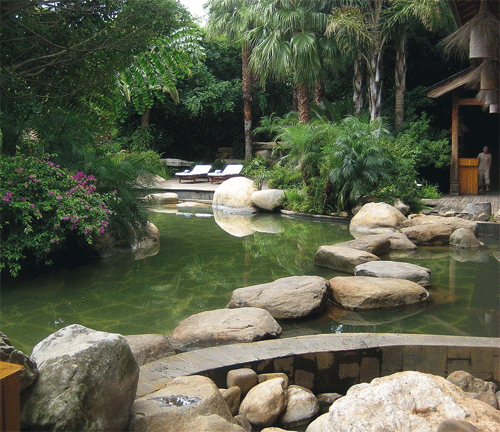
Lisa Starr tries out two hot spring spas - one catering to international visitors and the other to the domestic market - in China's Yunnan province
Bath time: The Chinese bathhouse
Lee David Stephens gives an insight into a traditional Chinese bathhouse and how Chinese people like to spa
Resort Spa: Sands of time
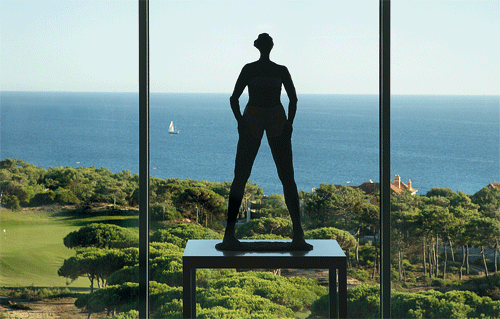
The Oitavos hotel and spa on Portugal's Estoril coast is 90 years in the making. Tom Walker pays a visit
Interview: Gary Henkin
The president and founder of WTS International - the US-based spa management and consultancy firm - talks to Rhianon Howells about expanding globally
Ask an expert: Crisis control
The Arab Spring, the Japanese tsunami and bombings in Mumbai - what's the best way of dealing with a crisis? We ask those who have first-hand experience of the events
New Zealand thermal spa: Pooling resources
The Polynesian Spa in the geothermal town of Rotorua in New Zealand boasts 25 thermal pools and is one of the longest running attractions in the country. Chris McBeath takes a look
Tourism: Booming Baku
Terry Stevens reports on the Azerbaijan capital which has seen a surge of international hotel openings in the past two years
Fitness: Pilates pure vs applied
Pure vs applied - should pilates only ever involve the exercises designed by Joseph Pilates, or can his philosophy be applied while keeping the product moving with the times?
Contrast therapy, based on the alternation of hot and cold rituals, has become one of the
most valued practices in the fields of wellness and recovery. [more...]
+ More featured suppliers
COMPANY PROFILES
Hydrafacial
Founded in 1997, Hydrafacial has grown to become one of the world’s leading skin health brands. [more...]
Each spa runs independently in terms of its protocol, policies, operational procedures, training and treatment techniques and menu
Portuguese operator Tivoli Hotels & Resorts is to launch three more Banyan Tree spas at its properties in Portugal and Brazil. The openings will build on the existing partnership between the companies and double the number of Banyan Tree-operated spas at Tivoli hotels.
The first new spa was initially scheduled to open at Tivoli Hotel Lisboa in Lisbon in 2011, but the development was delayed due to the economic turbulence experienced in the Portuguese economy. The two others will be based in Brazil, according to Ravi Chandran, managing director of Banyan Tree’s spa operations (see sb11/2 p26).
He says: “We signed a contract to open a spa in Lisbon a few years ago. Construction hasn’t began yet but we do hope we will be able to start on it very soon.”
He added, however, that the hold up has led to some improvements. “The planned location of the spa has been changed from the basement level to the top of the hotel. This move will enable guests to enjoy superb views overlooking the city.”
The two other sites are still in planning, but are likely to come on line by 2014. “We’re exploring openings [with Tivoli] in Brazil and talks are in progress,” says Chandran.” There are a possible two new spa projects – one at [the existing] Tivoli Hotel in Bahia, located in the north-eastern region on the Atlantic coast, and another [in a new-build hotel] in Campinas in the coastal interior of the state of São Paulo. We are hoping to have these signed and open within the next two to three years.”
Banyan Tree spas at Tivoli hotels are operated on management contracts. Banyan Tree operates the spas for a period of time, which is fee-based in terms of revenue and profits. Each spa runs independently in terms of its protocol, policies, operational procedures, training and treatment techniques and menu. The spas also works closely with the Tivoli team on the sales and marketing initiatives on-site to better promote the spa brand in synergy with the Tivoli brand.
Banyan Tree is the only spa brand that Tivoli works with. Its only non-Banyan Tree spa is currently the Thalasso Spa at the Bahia, resort – one of the Brazilian resorts planned to include a Banyan Tree spa in the future.
The three existing Banyan Tree spas at Tivoli hotels – one each in Lisbon and Vilamoura in Portugal and another in São Paulo in Brazil – were Banyan Tree’s debut sites in Europe and South America.
The first one to open, in 2008, was the Angsana-branded spa at Tivoli Marina Vilamoura in the Algarve, Portugal. It was followed by two more in 2009 – Elements Spa By Banyan Tree Tivoli Victoria (also in Vilamoura) and Elements Spa By Banyan Tree at Tivoli São Paulo.
Tivoli Hotels & Resorts opened its first hotel, Tivoli Lisboa, in 1933. It’s currently owned by Luxembourg-based investment company Espirito Santo Group.
Read more from this issue of Spa Business magazine
Top team: Peninsula Hotels
Kath Hudson talks to key figures behind the leading Asian hotel chain about how they run their spas and exciting future plans
Profile: Cynthia Chua
The Singapore entrepreneur behind Ministry of Waxing and Browhaus has revolutionised personal grooming worldwide. She talks to Katie Barnes about the business of beauty and integration with spas
Hot springs: Chinese-style!
Lisa Starr tries out two hot spring spas - one catering to international visitors and the other to the domestic market - in China's Yunnan province
Bath time: The Chinese bathhouse
Lee David Stephens gives an insight into a traditional Chinese bathhouse and how Chinese people like to spa
Resort Spa: Sands of time
The Oitavos hotel and spa on Portugal's Estoril coast is 90 years in the making. Tom Walker pays a visit
Interview: Gary Henkin
The president and founder of WTS International - the US-based spa management and consultancy firm - talks to Rhianon Howells about expanding globally
Ask an expert: Crisis control
The Arab Spring, the Japanese tsunami and bombings in Mumbai - what's the best way of dealing with a crisis? We ask those who have first-hand experience of the events
New Zealand thermal spa: Pooling resources
The Polynesian Spa in the geothermal town of Rotorua in New Zealand boasts 25 thermal pools and is one of the longest running attractions in the country. Chris McBeath takes a look
Tourism: Booming Baku
Terry Stevens reports on the Azerbaijan capital which has seen a surge of international hotel openings in the past two years
Fitness: Pilates pure vs applied
Pure vs applied - should pilates only ever involve the exercises designed by Joseph Pilates, or can his philosophy be applied while keeping the product moving with the times?
Private hotel owner and developer HVL Hotels will open a new luxury resort and tourism
destination called Laval Hunter Valley in the second half of 2027 in Pokolbin, Australia.
The annual wellness festival dedicated to wellbeing, culture, longevity and human connection,
called Alma, will be hosted by Rocco Forte hotel, Verdura Resort in Sicily, Italy.
Capella Hotel Group has appointed Feisal Jaffer as chief development officer as the company
ramps up its global expansion of both its Capella and Patina brands.
People taking GLP-1 weight loss medications such as Ozempic, Wegovy, Mounjaro and Zepbound
may be losing weight, but they’re also becoming less physically active, according to new
research presented at the ENDO 2026 annual meeting of the Endocrine Society
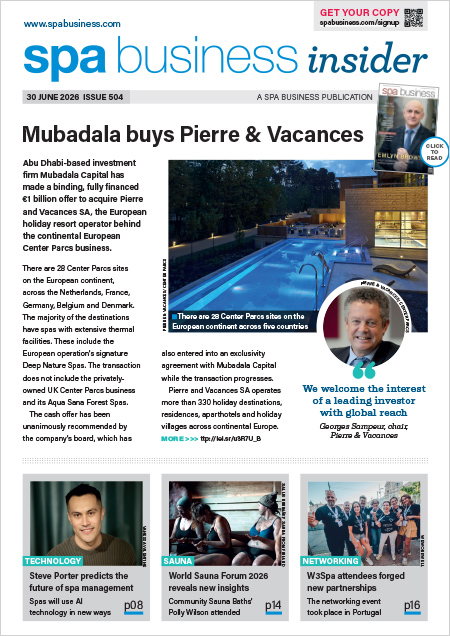
Abu Dhabi-based investment firm Mubadala Capital has made a binding, fully financed
€1 billion
offer to acquire Pierre and Vacances SA, the European holiday resort operator behind the
continental European Center Parcs business.
Global retreat trade show, Synergy The Retreat Show, has launched a resource called The
Source, which hosts an open-access online Transformation Series programme.
The Standards Authority for Touch in Cancer Care (SATCC) charity has announced its first five-
day Living with Cancer and Beyond retreat, which will be held at Carden Park Hotel and Spa in
Cheshire, UK, between 1 and 5 September.
Patmos Aktis, a Luxury Collection Resort and Spa, has opened in Greece, with a renovated and
rebranded wellness offering called Ansana Wellness and Spa.
Contrast therapy, based on the alternation of hot and cold rituals, has become one of the
most valued practices in the fields of wellness and recovery. [more...]
+ More featured suppliers
COMPANY PROFILES
Hydrafacial Founded in 1997, Hydrafacial has grown to become one of the world’s leading skin health brands. [more...]