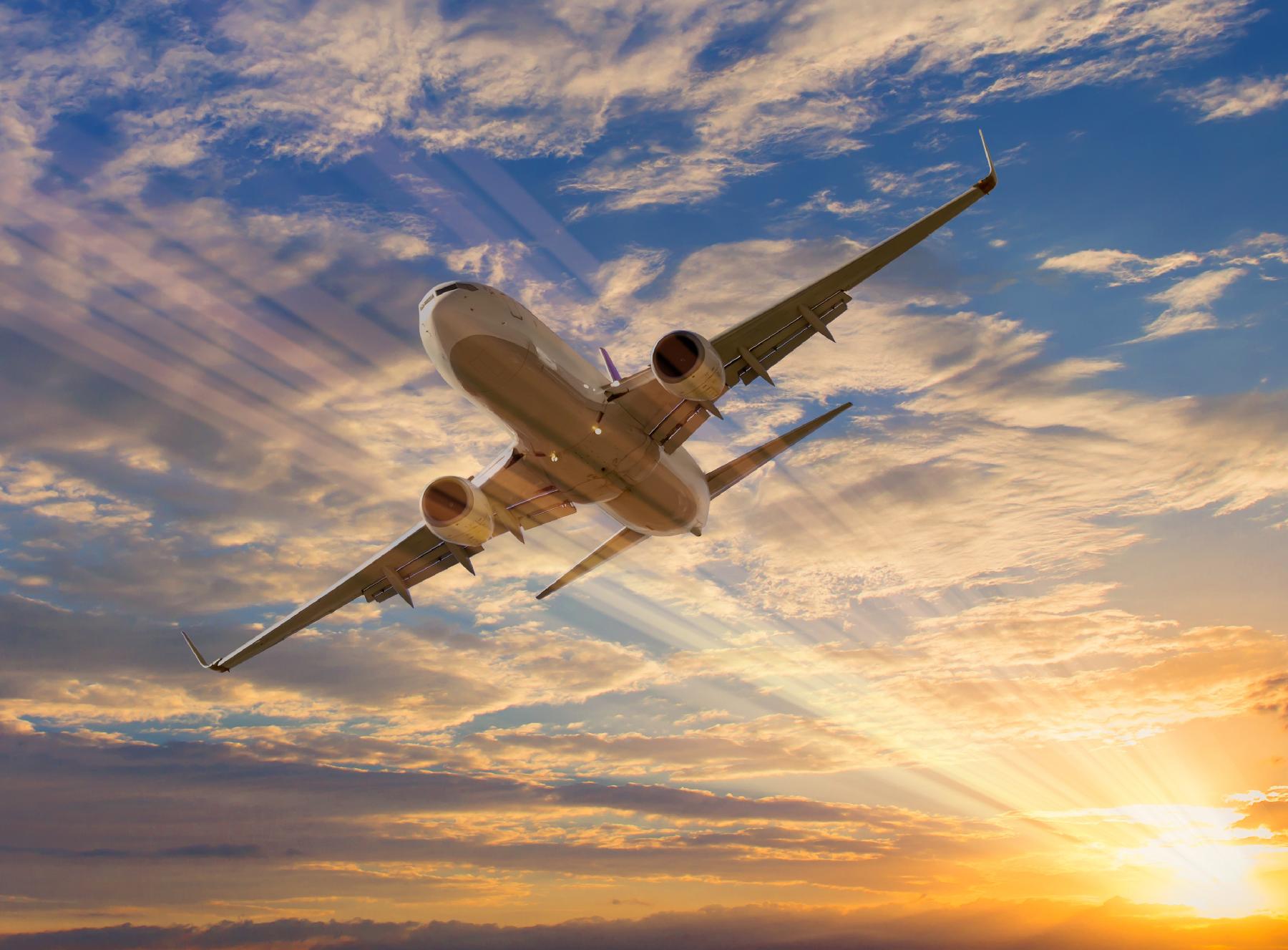
The Iran war has shaken the world and will have long-lasting consequences for tourism. Industry experts share their views on likely impacts and how to navigate them with Liz Terry
The most rational thing operators can do is batten down the hatches, because nobody knows where the war in Iran is going or how long it will continue in its current form. It’s especially unpredictable because both sides have powerful reasons for not wanting to cave in.
The atmosphere around doing anything in the Middle East from origin markets is certainly going to shrink and the inclination for people wanting to travel is going to be dampened.
The longer it lasts, the greater the consequences on the normal way of living. The Strait of Hormuz is not just about oil supplies – it’s about the global supply chain, which goes into almost everything and reverberates.
The positive thing is for operators and investors to use this time to think about what they’re going to do when things get better, because all wars in history have had a beginning and an end and there will be an end.
Operators and investors should use this time to think about what to do when things get better
This includes working out how to make operations more sustainable from an energy viewpoint. And planning for disruptions such as this war, building them into calculations, rather than treating them as exceptions.
We should also be rethinking the contribution we expect tourism to make to our society – is it realistic to expect year-on-year growth? What would we do in a world where tourism numbers are uneven or constrained for a period of years, because the underlying conditions do not always encourage steady growth?
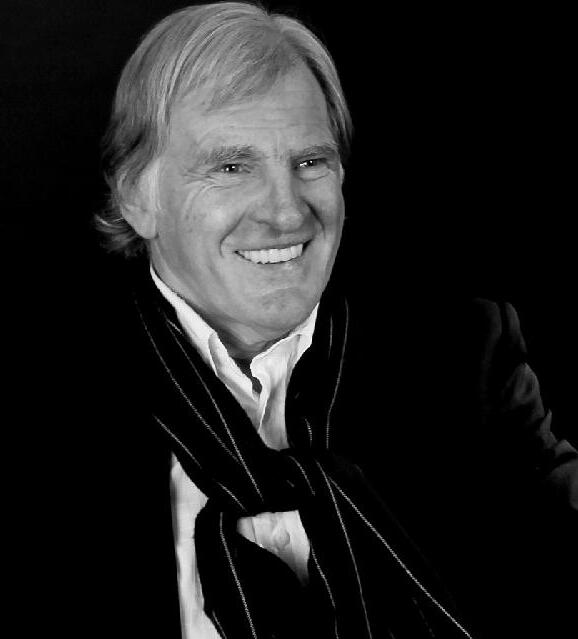
Marc Cohen / Dr Marc Cohen
Marc Cohen
Professor, integrative doctor, author and entrepreneur
The currency of wellness is connection. This is true for individuals, communities and nations.
Wellness thrives on openness, freedom of movement, cultural exchange and trust. Global wellness, therefore, requires a thriving tourism sector where travellers move easily across borders and experience new landscapes, cultures and healing traditions in the pursuit of human flourishing.
War and terrorism operate in the opposite direction. War closes borders, erodes trust and redirects resources toward security, defence and survival. Tourism and war are, therefore, fundamentally incompatible.
The Middle East conflict makes this tension impossible to ignore. As a nexus of civilisation, trade and a birthplace of many spa traditions, it’s once again a theatre of war. That contradiction should matter to everyone in the spa and wellness industry.
Humanity now faces an extraordinary choice. War or wellness? Will we continue to invest ever greater resources in weapon systems designed to degrade human life and infrastructure, or will we invest in wellness tourism and create places where humans flourish?
The spa and wellness industry is uniquely positioned to influence that balance, not through politics, but through the power of what it builds and who it welcomes. Tourism builds bridges. Wellness builds resilience. Peace builds prosperity.
By creating places that help people feel truly alive, the sector can make peace an imperative
By creating beautiful, well-managed places where people feel truly alive, wellness businesses contribute to something larger than revenue. They contribute to the social conditions that make peace an imperative.
In the end, the most powerful infrastructure humanity can build may not be a mirrored megacity or a missile defence system, it may be a global wellness culture where we’re so interconnected and invested in the pursuit of wellness that war becomes unthinkable.
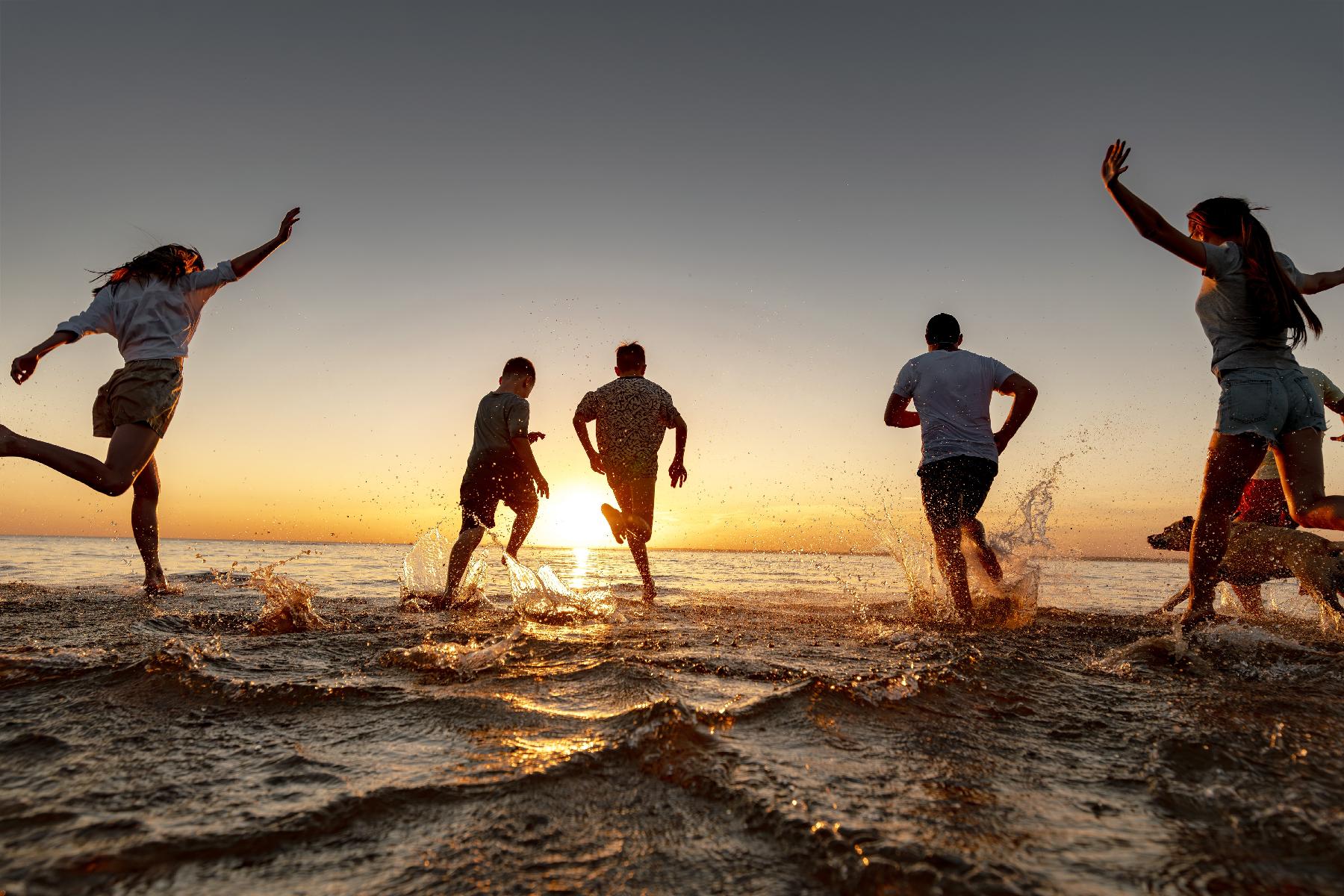
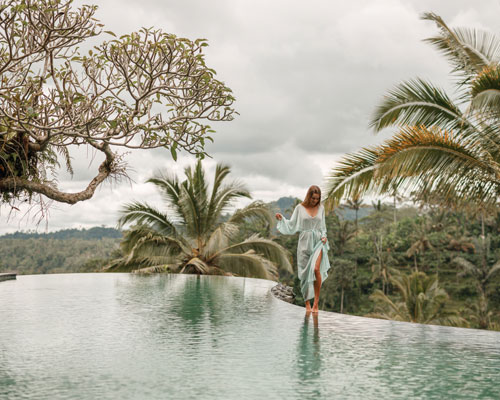
The wellness industry is uniquely positioned to help humans flourish / shutterstock/Dmitry Molchanov
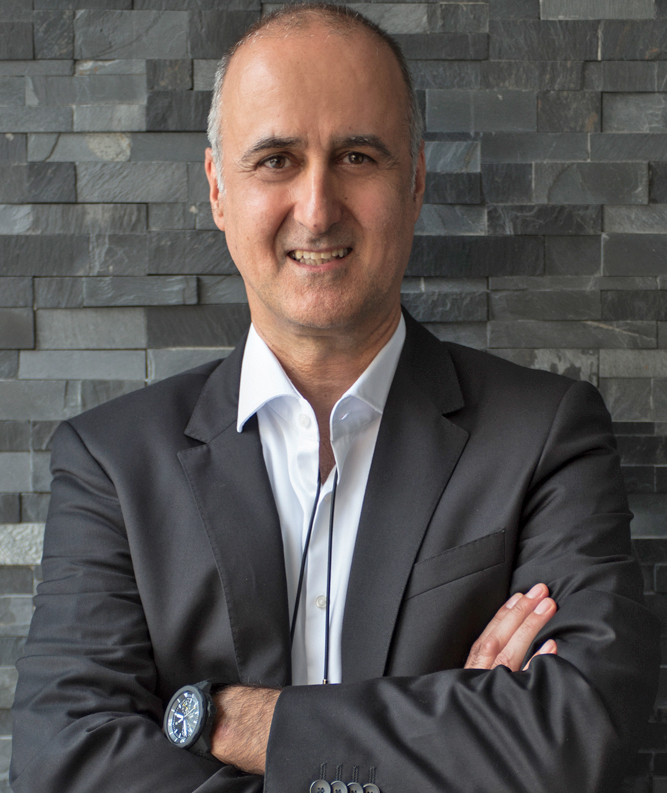
Terry Stevens / Terry Stevens
Terry Stevens
Managing director, Stevens and Associates
There will always be ‘black swan’ events – wars, pandemics or economic crises – that heighten and accelerate existing trends. The spa and wellness industry is understandably nervous in the light of the war in Iran and for many, the only certainty is uncertainty.
The pandemic amplified a move towards wellness and we’re likely to see the same thing as a result of the war in Iran.
The first trend that will define the next decade is the proximity of business to local and neighbouring markets. We’ll see more focus on memberships and travellers staying closer to home, so operators need to refocus their marketing, products and pricing to align with this.
Alliances between operators in middle European tourist destinations will increase
There will also be growing opportunities in local regions, with alliances between operators. We’ll see the middle European tourist destinations forming a region, for example, or Austrian operators refocusing on the Italian, German and French markets.
During COVID-19, we saw people wanting to be more in touch with nature, with consumers drawn to operators offering walking trails and forest bathing activities. Now we’ll see more of this kind of programming being delivered through collaborations with partners who can bring different elements of the offering to the partnership.
Infrastructure has been hit hard by the Iran war and this is likely to prompt longer-term investment in more robust transport links, such as high-speed train services and regional airports. Developments that aren’t yet open, or mature and those where local airports are closed could be mothballed and then reopened or completed when the time is right.
Andrew Gibson / Andrew Gibson
Andrew Gibson
Owner, Gibson Advisory
The ripple effects of the Iran war are destabilising the Middle East and having consequences for every country in the world. It’s significantly disrupting travel, consumer behaviour, supply chains and overall business operations.
In times of stress and insecurity, people need to recharge themselves. This provides an opportunity for us in the wellness space. At last, spas are truly starting to deliver on physical, mental and even spiritual wellbeing and customers are seeking support for their health. Longevity clinics, social wellness clubs and many other wellness niche operators are spreading across Europe and the Middle East with a wide array of programmes and packages.
Businesses affected by the war must be agile. I was in Oman during the first Gulf War [in 1990]. Our location was as far away from the war as Rome is to Stockholm, but we still lost our international business. So we pivoted to the new wave of visitors from the countries affected by the conflict, attracting them by changing the terms and length of stay and creating a membership.
In countries around the GCC, there’s a natural resilience. Citizens may be anguished by persistent threats, but continue to live a normal life. While not necessarily able or inclined to travel far, they’re looking to escape reality. Wellness operators in the region can entice them by offering and increasing programmes that focus on mental health, short weekend breaks and relaxing treatments in a calm, serene environment.
In times of stress and insecurity people need to recharge themselves
For our European colleagues, the domestic market – which also extends to neighbouring countries – also provides opportunities. Short breaks and wellness weekends are already rising as increasing fuel costs, travel disruptions and uncertainties about the future see people seeking something closer to home and something that includes wellness services.
Irrespective of operating within the GCC or Europe, this is a time to review your marketing and focus on the local market, highlighting community events and your safe, welcoming and supportive environment.
Lynne McNees / Echo Starmaker Photography
Lynne McNees
President, ISPA
In times of geopolitical uncertainty that affect consumer confidence and travel patterns, it’s important to remember that spas have always been places of refuge and rejuvenation worldwide and the modern spa industry has always demonstrated resilience. Throughout ISPA’s three-and-a-half decades, the global spa sector has seen occasional short-term dips during major world events, but the long-term trend has continued to be one of steady growth.
Spa leaders will focus even more on serving local communities while continuing to invest for the long term
Today, the industry is in its seventh year of strong recovery following the COVID-19 pandemic. The current crisis will prove no different. In the near term, spa operators may see more people choosing domestic or regional travel, along with growing interest in experiences focused on stress relief, recovery, and mental wellbeing. During periods like this, spa leaders focus even more on serving their local communities while continuing to invest in their businesses for the long term. For example, the recent ISPA Conference in Las Vegas brought together spa professionals from 28 countries, reflecting the global spa community’s continued commitment to collaboration and moving forward together.
Ingo Schweder / GOCO Hospitality
Ingo Schweder
Founder and CEO, GOCO Hospitality
Periods of global complexity inevitably influence how and where people travel. Yet they also reveal the enduring relevance of wellness.
Markets rarely fear negative news alone. They struggle with uncertainty, particularly how long difficult situations will last.
Across hospitality, one noticeable shift has been renewed emphasis on regional and short-haul markets, while continuing to nurture long-standing relationships with international clients and partners. This balanced approach allows operators and developers to maintain stability while adapting to changing global conditions.
Over the past 25 years, our industry has faced repeated disruptions – from 9/11 to the global financial crisis, from SARS to COVID-19. Each time, travel pauses briefly, but the human desire to explore and reconnect always returns.
In the 2020 pandemic, global travel came to a near standstill, with international tourist arrivals declining by more than 70 per cent. Yet recovery was swift. By 2024, many destinations were already reporting record visitor numbers and unprecedented demand for meaningful travel experiences.
COVID-19 accelerated an important transformation. Travel today is less about simply going somewhere. It’s about how a destination makes you feel.
Experiential travel, immersive destinations and purpose-driven journeys are shaping the future. Within that transformation, wellness has become one of the most powerful and resilient segments of global tourism.
The global wellness economy has grown to US$6.8 trillion (€5.81 trillion, £5.04 trillion), while wellness tourism alone is valued at US$894 billion (€764 billion, £662.2 billion) and continues to expand faster than the overall tourism sector.
In uncertain times, people look for spaces that offer restoration, clarity and emotional balance. Wellness resorts and retreats increasingly serve as sanctuaries.
Wellness has become one of the most powerful and resilient segments of global tourism
For the wellness industry, this demand carries opportunity and responsibility. Hospitality must go beyond the ordinary. Guests are looking for empathy, awareness and genuine care.
Crises may interrupt travel, but they rarely diminish humanity’s desire for connection, discovery and wellbeing. If anything, they strengthen it.
Read more from this issue of Spa Business magazine
View contents of Spa Business 2026 issue 2
Editor's letter: Trust
In a market increasingly shaped by greenwashing, trust is emerging as the real currency of growth, says Katie Barnes
Letters: SB Forum
Marc Cohen shares his profound views on the geopolitics of human flourishing and Trybe's Steve Porter on how AI will soon be running spas
Spa People: Susan Magsamen
IAM Lab’s executive director reveals two neuroaesthetic reports exploring environments, wellbeing and nervous system restoration
Interview: Diane Davody
With 36 spas in landmark hotels, could Guerlain be the sector’s quiet powerhouse? Katie Barnes speaks to its international spa business director
Research: Decoding wellbeing
Distrust, limited brand differentiation and a market worth US$606bn are key findings from WELLSurvey 2.0. Kevin Kelly and Peter Yesawich report
Research: Understanding wellbeing
In the first of a three-part series, Kevin Kelly and Peter Yesawich share their insights into the first WELLSurvey for Europe
Research: Brand illusions
WELLSurvey 2.0 revealed that despite high consumer engagement with wellness, clear market leaders have yet to emerge.
Research: WELLZoomers – set to rock the wellness world
A new market segment has been identified by WELLSurvey 2.0. Report authors Kevin Kelly and Peter Yesawich delve deeper into the cohort in this second article in a three-part series
Destination spa: Freeze the moment
What started out as a small floating spa in Swedish Lapland has turned into a bucket-list destination rooted in contrast therapy and Nordic Living. Magali Robathan pays a visit to Arctic Bath
Sponsored: Lemi – Optimum experience
As the global spa market evolves, the integration of advanced technology with immersive wellness rituals is becoming increasingly important says Lemi's Matteo Brusaferri
Interview: Emlyn Brown
The group director of wellbeing for Mandarin Oriental talks about spa evolution and how its partnership with Simone Biles demonstrates its strength of intention
Thermal spa: Betting on bathing
With hot springs bathing booming in Australia, Alba Thermal Springs and Spa enters a crowded market. Cassandra Cavanah explores the AU$160m investment
Sponsored: Comfort Zone – Adaptive hydration
Comfort Zone is expanding its science-led hydration portfolio with a new generation of formulas and professional treatments, explains Eve Merinville
In the fast-paced world of fitness and wellness, where high-intensity workouts push us to
our limits and the sweat pours, the importance of efficient recovery cannot be overstated. [more...]
Le Atelier by C.O.D.E. doesn't offer a standard bespoke service, it provides a highly
customised approach to designing massage beds and loungers in high-end wellness
environments. [more...]
+ More featured suppliers
COMPANY PROFILES
Lemi Group
Lemi Group designs and produces treatment tables, chairs and multi-functional furniture and equipmen [more...]
Blue Rakun
Blue Rakun spaces are thoughtful, intuitive,
and designed around real human
behaviour, taking into [more...]
The Iran war has shaken the world and will have long-lasting consequences for tourism. Industry experts share their views on likely impacts and how to navigate them with Liz Terry
The most rational thing operators can do is batten down the hatches, because nobody knows where the war in Iran is going or how long it will continue in its current form. It’s especially unpredictable because both sides have powerful reasons for not wanting to cave in.
The atmosphere around doing anything in the Middle East from origin markets is certainly going to shrink and the inclination for people wanting to travel is going to be dampened.
The longer it lasts, the greater the consequences on the normal way of living. The Strait of Hormuz is not just about oil supplies – it’s about the global supply chain, which goes into almost everything and reverberates.
The positive thing is for operators and investors to use this time to think about what they’re going to do when things get better, because all wars in history have had a beginning and an end and there will be an end.
Operators and investors should use this time to think about what to do when things get better
This includes working out how to make operations more sustainable from an energy viewpoint. And planning for disruptions such as this war, building them into calculations, rather than treating them as exceptions.
We should also be rethinking the contribution we expect tourism to make to our society – is it realistic to expect year-on-year growth? What would we do in a world where tourism numbers are uneven or constrained for a period of years, because the underlying conditions do not always encourage steady growth?
Marc Cohen / Dr Marc Cohen
Marc Cohen
Professor, integrative doctor, author and entrepreneur
The currency of wellness is connection. This is true for individuals, communities and nations.
Wellness thrives on openness, freedom of movement, cultural exchange and trust. Global wellness, therefore, requires a thriving tourism sector where travellers move easily across borders and experience new landscapes, cultures and healing traditions in the pursuit of human flourishing.
War and terrorism operate in the opposite direction. War closes borders, erodes trust and redirects resources toward security, defence and survival. Tourism and war are, therefore, fundamentally incompatible.
The Middle East conflict makes this tension impossible to ignore. As a nexus of civilisation, trade and a birthplace of many spa traditions, it’s once again a theatre of war. That contradiction should matter to everyone in the spa and wellness industry.
Humanity now faces an extraordinary choice. War or wellness? Will we continue to invest ever greater resources in weapon systems designed to degrade human life and infrastructure, or will we invest in wellness tourism and create places where humans flourish?
The spa and wellness industry is uniquely positioned to influence that balance, not through politics, but through the power of what it builds and who it welcomes. Tourism builds bridges. Wellness builds resilience. Peace builds prosperity.
By creating places that help people feel truly alive, the sector can make peace an imperative
By creating beautiful, well-managed places where people feel truly alive, wellness businesses contribute to something larger than revenue. They contribute to the social conditions that make peace an imperative.
In the end, the most powerful infrastructure humanity can build may not be a mirrored megacity or a missile defence system, it may be a global wellness culture where we’re so interconnected and invested in the pursuit of wellness that war becomes unthinkable.
The wellness industry is uniquely positioned to help humans flourish / shutterstock/Dmitry Molchanov
Terry Stevens / Terry Stevens
Terry Stevens
Managing director, Stevens and Associates
There will always be ‘black swan’ events – wars, pandemics or economic crises – that heighten and accelerate existing trends. The spa and wellness industry is understandably nervous in the light of the war in Iran and for many, the only certainty is uncertainty.
The pandemic amplified a move towards wellness and we’re likely to see the same thing as a result of the war in Iran.
The first trend that will define the next decade is the proximity of business to local and neighbouring markets. We’ll see more focus on memberships and travellers staying closer to home, so operators need to refocus their marketing, products and pricing to align with this.
Alliances between operators in middle European tourist destinations will increase
There will also be growing opportunities in local regions, with alliances between operators. We’ll see the middle European tourist destinations forming a region, for example, or Austrian operators refocusing on the Italian, German and French markets.
During COVID-19, we saw people wanting to be more in touch with nature, with consumers drawn to operators offering walking trails and forest bathing activities. Now we’ll see more of this kind of programming being delivered through collaborations with partners who can bring different elements of the offering to the partnership.
Infrastructure has been hit hard by the Iran war and this is likely to prompt longer-term investment in more robust transport links, such as high-speed train services and regional airports. Developments that aren’t yet open, or mature and those where local airports are closed could be mothballed and then reopened or completed when the time is right.
Andrew Gibson / Andrew Gibson
Andrew Gibson
Owner, Gibson Advisory
The ripple effects of the Iran war are destabilising the Middle East and having consequences for every country in the world. It’s significantly disrupting travel, consumer behaviour, supply chains and overall business operations.
In times of stress and insecurity, people need to recharge themselves. This provides an opportunity for us in the wellness space. At last, spas are truly starting to deliver on physical, mental and even spiritual wellbeing and customers are seeking support for their health. Longevity clinics, social wellness clubs and many other wellness niche operators are spreading across Europe and the Middle East with a wide array of programmes and packages.
Businesses affected by the war must be agile. I was in Oman during the first Gulf War [in 1990]. Our location was as far away from the war as Rome is to Stockholm, but we still lost our international business. So we pivoted to the new wave of visitors from the countries affected by the conflict, attracting them by changing the terms and length of stay and creating a membership.
In countries around the GCC, there’s a natural resilience. Citizens may be anguished by persistent threats, but continue to live a normal life. While not necessarily able or inclined to travel far, they’re looking to escape reality. Wellness operators in the region can entice them by offering and increasing programmes that focus on mental health, short weekend breaks and relaxing treatments in a calm, serene environment.
In times of stress and insecurity people need to recharge themselves
For our European colleagues, the domestic market – which also extends to neighbouring countries – also provides opportunities. Short breaks and wellness weekends are already rising as increasing fuel costs, travel disruptions and uncertainties about the future see people seeking something closer to home and something that includes wellness services.
Irrespective of operating within the GCC or Europe, this is a time to review your marketing and focus on the local market, highlighting community events and your safe, welcoming and supportive environment.
Lynne McNees / Echo Starmaker Photography
Lynne McNees
President, ISPA
In times of geopolitical uncertainty that affect consumer confidence and travel patterns, it’s important to remember that spas have always been places of refuge and rejuvenation worldwide and the modern spa industry has always demonstrated resilience. Throughout ISPA’s three-and-a-half decades, the global spa sector has seen occasional short-term dips during major world events, but the long-term trend has continued to be one of steady growth.
Spa leaders will focus even more on serving local communities while continuing to invest for the long term
Today, the industry is in its seventh year of strong recovery following the COVID-19 pandemic. The current crisis will prove no different. In the near term, spa operators may see more people choosing domestic or regional travel, along with growing interest in experiences focused on stress relief, recovery, and mental wellbeing. During periods like this, spa leaders focus even more on serving their local communities while continuing to invest in their businesses for the long term. For example, the recent ISPA Conference in Las Vegas brought together spa professionals from 28 countries, reflecting the global spa community’s continued commitment to collaboration and moving forward together.
Ingo Schweder / GOCO Hospitality
Ingo Schweder
Founder and CEO, GOCO Hospitality
Periods of global complexity inevitably influence how and where people travel. Yet they also reveal the enduring relevance of wellness.
Markets rarely fear negative news alone. They struggle with uncertainty, particularly how long difficult situations will last.
Across hospitality, one noticeable shift has been renewed emphasis on regional and short-haul markets, while continuing to nurture long-standing relationships with international clients and partners. This balanced approach allows operators and developers to maintain stability while adapting to changing global conditions.
Over the past 25 years, our industry has faced repeated disruptions – from 9/11 to the global financial crisis, from SARS to COVID-19. Each time, travel pauses briefly, but the human desire to explore and reconnect always returns.
In the 2020 pandemic, global travel came to a near standstill, with international tourist arrivals declining by more than 70 per cent. Yet recovery was swift. By 2024, many destinations were already reporting record visitor numbers and unprecedented demand for meaningful travel experiences.
COVID-19 accelerated an important transformation. Travel today is less about simply going somewhere. It’s about how a destination makes you feel.
Experiential travel, immersive destinations and purpose-driven journeys are shaping the future. Within that transformation, wellness has become one of the most powerful and resilient segments of global tourism.
The global wellness economy has grown to US$6.8 trillion (€5.81 trillion, £5.04 trillion), while wellness tourism alone is valued at US$894 billion (€764 billion, £662.2 billion) and continues to expand faster than the overall tourism sector.
In uncertain times, people look for spaces that offer restoration, clarity and emotional balance. Wellness resorts and retreats increasingly serve as sanctuaries.
Wellness has become one of the most powerful and resilient segments of global tourism
For the wellness industry, this demand carries opportunity and responsibility. Hospitality must go beyond the ordinary. Guests are looking for empathy, awareness and genuine care.
Crises may interrupt travel, but they rarely diminish humanity’s desire for connection, discovery and wellbeing. If anything, they strengthen it.
Read more from this issue of Spa Business magazine
View contents of Spa Business 2026 issue 2
Editor's letter: Trust
In a market increasingly shaped by greenwashing, trust is emerging as the real currency of growth, says Katie Barnes
Letters: SB Forum
Marc Cohen shares his profound views on the geopolitics of human flourishing and Trybe's Steve Porter on how AI will soon be running spas
Spa People: Susan Magsamen
IAM Lab’s executive director reveals two neuroaesthetic reports exploring environments, wellbeing and nervous system restoration
Interview: Diane Davody
With 36 spas in landmark hotels, could Guerlain be the sector’s quiet powerhouse? Katie Barnes speaks to its international spa business director
Research: Decoding wellbeing
Distrust, limited brand differentiation and a market worth US$606bn are key findings from WELLSurvey 2.0. Kevin Kelly and Peter Yesawich report
Research: Understanding wellbeing
In the first of a three-part series, Kevin Kelly and Peter Yesawich share their insights into the first WELLSurvey for Europe
Research: Brand illusions
WELLSurvey 2.0 revealed that despite high consumer engagement with wellness, clear market leaders have yet to emerge.
Research: WELLZoomers – set to rock the wellness world
A new market segment has been identified by WELLSurvey 2.0. Report authors Kevin Kelly and Peter Yesawich delve deeper into the cohort in this second article in a three-part series
Destination spa: Freeze the moment
What started out as a small floating spa in Swedish Lapland has turned into a bucket-list destination rooted in contrast therapy and Nordic Living. Magali Robathan pays a visit to Arctic Bath
Sponsored: Lemi – Optimum experience
As the global spa market evolves, the integration of advanced technology with immersive wellness rituals is becoming increasingly important says Lemi's Matteo Brusaferri
Interview: Emlyn Brown
The group director of wellbeing for Mandarin Oriental talks about spa evolution and how its partnership with Simone Biles demonstrates its strength of intention
Thermal spa: Betting on bathing
With hot springs bathing booming in Australia, Alba Thermal Springs and Spa enters a crowded market. Cassandra Cavanah explores the AU$160m investment
Sponsored: Comfort Zone – Adaptive hydration
Comfort Zone is expanding its science-led hydration portfolio with a new generation of formulas and professional treatments, explains Eve Merinville
The UK spa review and discovery platform for consumers, the Good Spa Guide, has announced
it will host the Good Spa Guide Awards 2026 during an event on 16 November at Sopwell House
Hotel in St Albans, UK.
Eighty-four per cent of consumers now say wellness is a top priority in their lives, with this
percentage increasing year on year, according to a preview presentation of McKinsey’s Future of
Wellness 2026 research report.
Mass protests have been taking place since Monday 1 June in Albania over the development of
a luxury resort by Donald Trump’s daughter Ivanka Trump and her husband Jared Kushner.
Global Wellness Day (GWD) marked its 15th anniversary on Saturday 13 June 2026, with the
theme: #JoyMagenta – a celebration of the healing qualities of simple gestures and activities
that spark joy.
Global luxury hospitality brand, Six Senses, has partnered with longevity healthcare provider,
HUM2N, to launch a clinic at Six Senses London, at The Whiteley.
As part of its first hotel partnership, Mayrlife – the medical health resort company known for its
site in Altaussee, Austria – has launched a day clinic at the Rosewood Vienna.
Premium London health club, KX Chelsea, will imminently unveil its most significant
redevelopment since its launch in 2002 to create an integrated wellness model combining
training, recovery and relaxation.
Rosewood Le Guanahani St Barth, on the northeast coast of Saint Barthélemy in the French
West Indies, is offering a programme of ocean-inspired yoga classes between 8-14 June to
celebrate Global Wellness Day (GWD).
Hotel de France, located on the British Isle of Jersey, has created a wellness retreat package
that includes a hot yoga session that will take place in Jersey Zoo’s butterfly sanctuary.
The Ritz-Carlton, Langkawi, in Malaysia, has revealed a schedule for Global Wellness Day
(GWD) that includes guided rainforest walks, mindful movement and guided coastal meditation
experiences.
In the fast-paced world of fitness and wellness, where high-intensity workouts push us to
our limits and the sweat pours, the importance of efficient recovery cannot be overstated. [more...]
Le Atelier by C.O.D.E. doesn't offer a standard bespoke service, it provides a highly
customised approach to designing massage beds and loungers in high-end wellness
environments. [more...]
+ More featured suppliers
COMPANY PROFILES
Lemi Group Lemi Group designs and produces treatment tables, chairs and multi-functional furniture and equipmen [more...]