Castle Park” is the nickname given to the archetypal Disney theme park: a hub and spoke layout with a fairytale castle at its centre and radiating lands themed around adventure, fantasy and tomorrow.
Pioneered with Disneyland in 1955, it was followed by the Magic Kingdom in 1971, Tokyo Disneyland in 1983, Disneyland Paris in 1992 and Hong Kong Disneyland in 2005. With each iteration, Disney’s designers have reinvented the model to varying degrees, incorporating new attractions, adapting the content to suit local demographics, honing the attraction mix with duplicates (“lifts”) of successful attractions and even altering the themes and stories being presented.
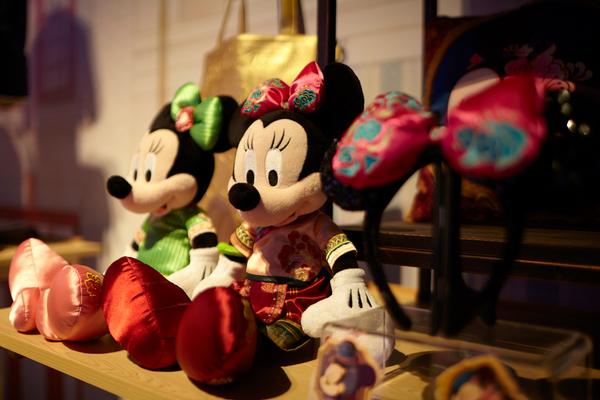
That desire for creative innovation is evident, more than ever, in Shanghai Disneyland, which has pushed forward the model in innovative ways, not content to rest on the formula established by previous parks. Of its 25 attractions (putting aside gardens, shows and Meet & Greets), only eight are lifts from other parks. The usual stalwarts of It’s a Small World, the Haunted Mansion, Big Thunder Mountain Railroad and Space Mountain aren’t included at all (yet), in favour of original experiences.
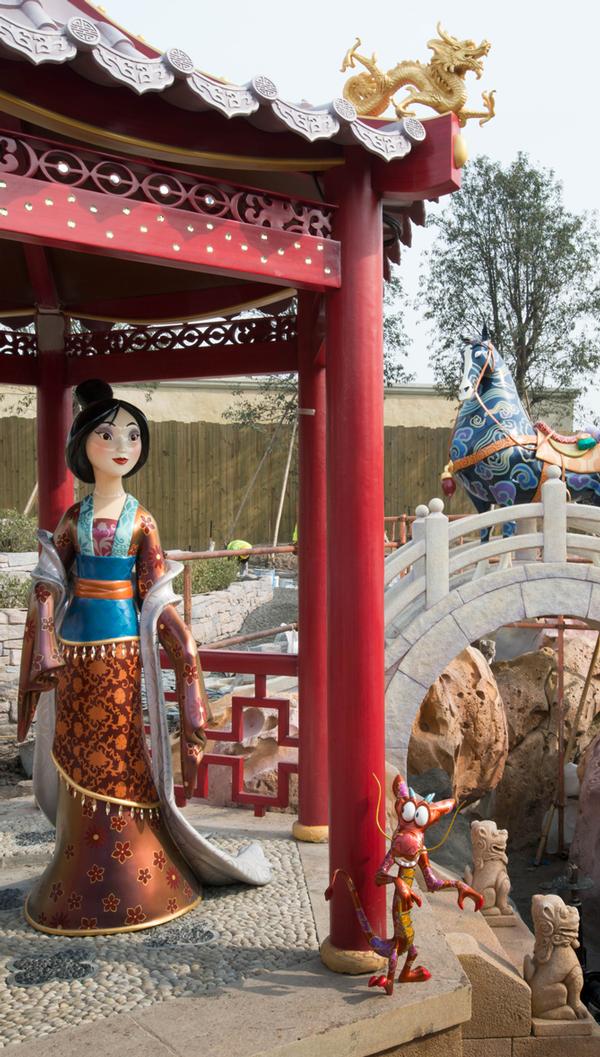
Instead, Disney IP takes pole position, primarily based around the oldest and newest properties, the inbetween years having gone largely unseen in China (a situation Disney’s media networks are trying to address). Of the 25 attractions, 19 are based on Disney IPs, with a focus on the biggest franchises: Star Wars, Pirates of the Caribbean, Marvel, Disney Princesses, Frozen and Winnie the Pooh.
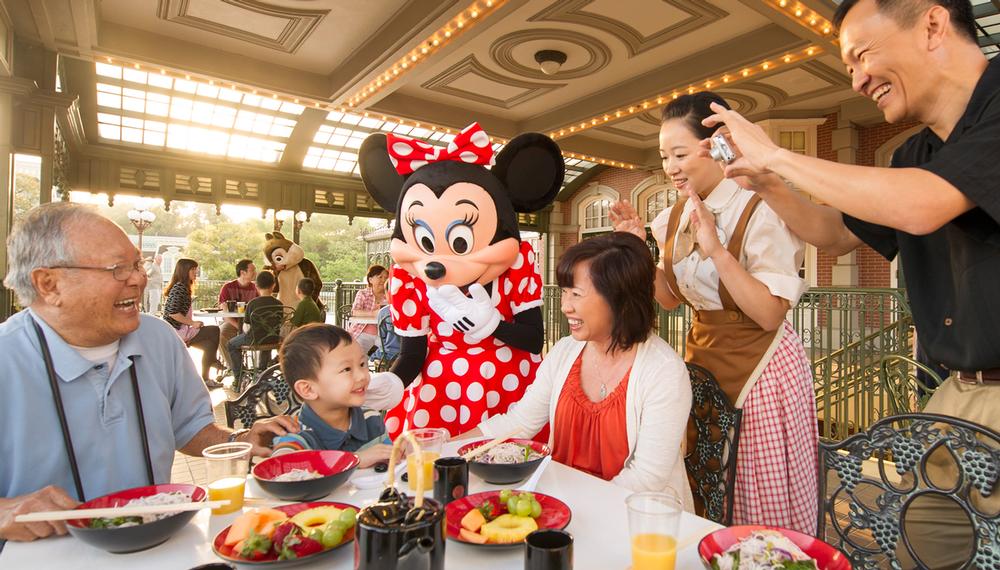
Mickey Avenue With turn-of-the-century Americana holding little cultural value in China, the traditional entrance of Main Street has been replaced by Mickey Avenue, a combination of Buena Vista Street from Disney California Adventure’s successful 2012 reimagining and Mickey’s Toontown from Disneyland, a Los Angeles-styled street where classic Disney characters live, work and play. Even the Disneyland Railroad has been dropped, with trains purportedly lacking the same romance that they inspire in the west.
The traditional technique of funnelling guests through a retail corridor has been reinvigorated with a dedicated exit gate, separate from the park entrance, routing guests through the resort’s retail and entertainment district, Disneytown. Rather than being a single street layout like Main Street, the buildings of Mickey Avenue have been opened out to encircle the park’s hub, which has been considerably expanded into the Gardens of Imagination, offering wide-open rural spaces as a respite for Shanghai’s urban population, punctuated with a Dumbo the Flying Elephant lift and a Fantasia Carousel.
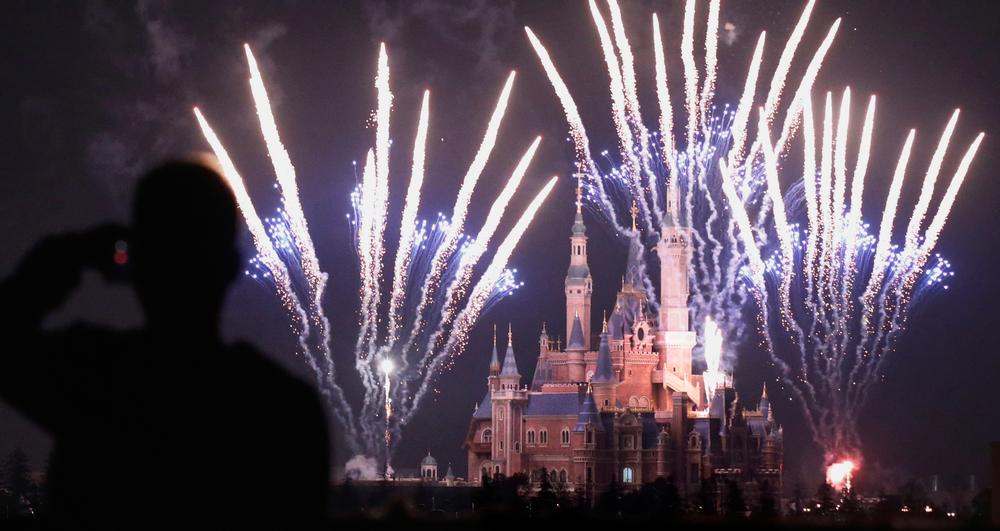
Enchanted Storybook Castle At its furthest edge rises the Enchanted Storybook Castle, which in addition to being the world’s largest Disney castle, addresses three key issues that have recurred in previous castle iterations:
1. The notion of pay-off. For decades, guests have been drawn to the Disney castle eager to see what’s inside, only to be underwhelmed on finding just one or two non-attraction units within. The Enchanted Storybook Castle reinvents that with vastly larger interior spaces, featuring no less than five facilities: a next-generation walkthrough attraction, a restaurant, character Meet & Greet spaces, a makeover studio and the finale to the attraction Voyage to the Crystal Grotto.
2. The incorporation of the Disney Princess franchise. The multi-billion-dollar media brand was created in the early 2000s by unifying the Disney princess characters into a single identity. Rather than dedicating the castle to a single princess as with Sleeping Beauty Castle in Disneyland or Cinderella Castle in the Magic Kingdom, the Enchanted Storybook Castle becomes home to all 11 Disney princesses, with seasonally-themed interiors based around Tiana, Merida, Rapunzel and Elsa, the Once Upon a Time Adventure attraction retelling the story of Snow White and Meet & Greet spaces.
3. The popularity of night-time spectaculars. With growing attendance, park hubs around the world have been faced with the issue of severe overcrowding for the nightly shows that backdrop the castles. Numerous strategies have been attempted to address this over-saturation. In addition to the expensive addition of multiple performances in an evening, Disneyland has attempted to lure guests to other areas of the park by providing supplemental entertainment, while in the Magic Kingdom, the hub itself was almost double in size. Shanghai Disneyland’s night-time spectacular, Ignite the Dream, incorporates a tiered viewing amphitheatre, a vastly enlarged hub and Mickey Avenue restaurants facing the castle for firework-serenaded dining. This vastly increased viewing area is able to entertain far more guests per showing.
Fantasyland to Treasure Cove Beyond the castle, Fantasyland combines proven hits like Peter Pan’s Flight, The Many Adventures of Winnie the Pooh and the Seven Dwarfs Mine Train with brand new content. For example, the Alice in Wonderland Maze takes its IP inspiration from Tim Burton’s 2010 film, not the 1951 Disney cartoon, due to its familiarity (and its 2016 sequel) with Chinese movie-goers.
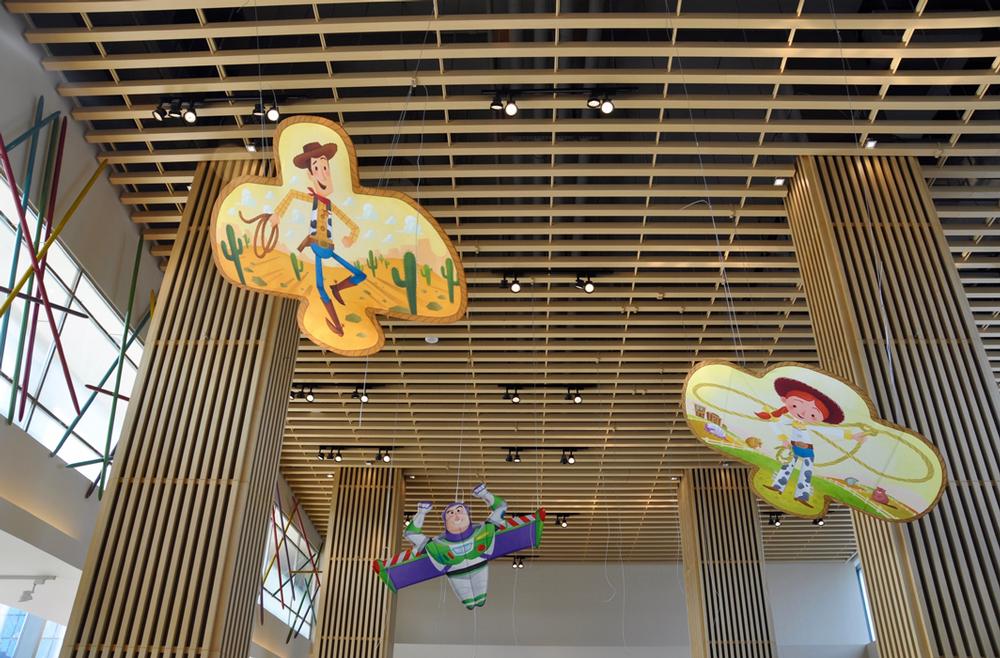
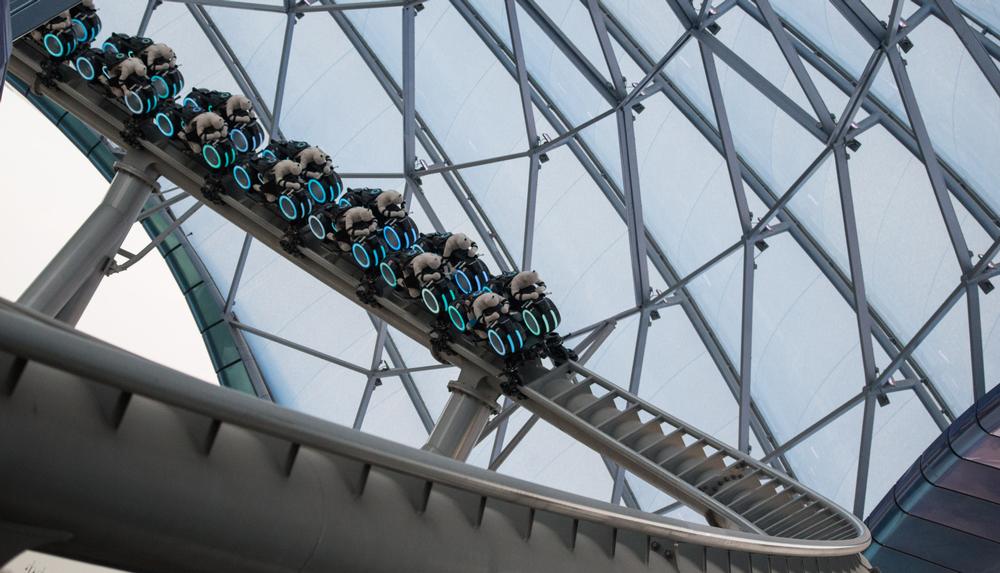
Tomorrowland takes its inspiration from real-world architectural futurism present in contemporary World’s Fairs, particularly the 2010 Shanghai World Expo which would have inspired project stakeholders when the park’s design began. Replacing the classic Space Mountain attraction is the brand new TRON Lightcycle Power Run, based on the 2010 film TRON Legacy, which failed to launch a franchise for Disney but provides exceptional art design for a themed attraction. Also included are lifts of Stitch Encounter and the Star Wars Launch Bay (a late addition responding to Disney’s acquisition of Lucasfilm) and a redesign of the Buzz Lightyear Planet Rescue shooter attraction, updating technology pioneered by Walt Disney Imagineering in 1998.
Adventureland is reinvented as Adventure Isle, centred on Roaring Rapids, a rethemed ride system lift of Grizzly River Run from Disney California Adventure. The towering Roaring Mountain features hiking trails and rope courses across the façade in the Camp Discovery playthrough attraction. Tarzan: Call of the Jungle combines the Phil Collins music of the 1999 Disney animated feature Tarzan with the local talent of Chinese acrobatics and dance. A lift of Soaring Over the World replaces the original California-based film with one featuring global icons (including the Great Wall).
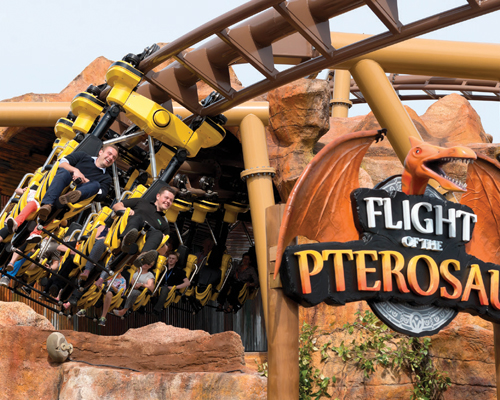
In place of Frontierland, dropped because of the decreased prevalence of westerns in cinema and the subsequent unfamiliarity Asian guests have with the theme, comes Treasure Cove, Disney’s first pirate-themed land, based entirely around the Pirates of the Caribbean film franchise. Original attractions including the Explorer Canoes and Siren’s Revenge playground support attractions like Eye of the Storm: Captain Jack’s Stunt Spectacular, drawing directly from the characters of the movies.
Reapplying successful templates from the past fifty years, shadows of Disneyland’s experientially rich New Orleans Square can be seen reinvented in the twisting streets of Treasure Cove’s Voodoo Alley and Barbossa’s Bounty Restaurant.
Battle for the Sunken Treasure Of Disney’s classic E Ticket attractions, only one makes an appearance in Shanghai, but Pirates of the Caribbean: Battle for the Sunken Treasure competes more with the technological wizardry of Harry Potter and the Forbidden Journey and Transformers: The Ride than the 1969 animatronic-filled boat ride that inspired the film franchise.
We need to wait before we know the level of Shanghai Disneyland’s financial success, but its creative success is already evident. Putting aside the blueprints of existing parks, the designers crafted a new destination that mixes the established strengths of the castle park model with the newest ideas in themed entertainment. It should be praised not only for delivering a scale of park unprecedented in China, but for the creative ambition that went into its design irrespective of its location.
Read more from this issue of Spa Business magazine
Promotional feature: IDEATTACK
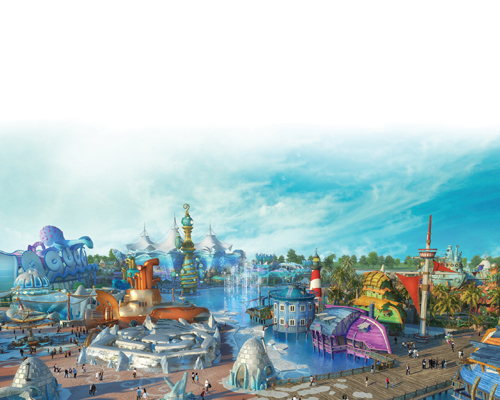
IDEATTACK’s new project in Hainan, China,
introduces the storytelling elements of a
theme park to the oceanarium concept
Science Museums: Shaping Tomorrow
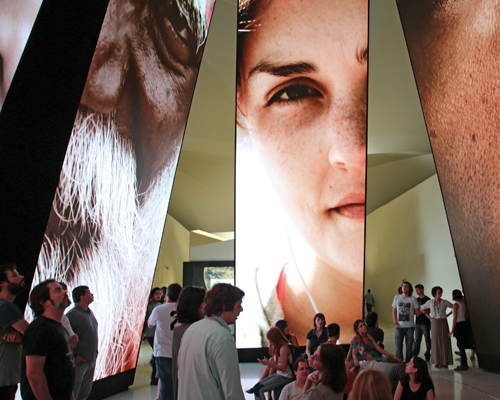
Brazil’s Museum of Tomorrow uses
constantly updating, real-time digital
collection to communicate with visitors.
We met members of the team
Promotional feature: EAS
This year, the Euro Attractions Show is
coming to the Spanish city of Barcelona
Disney Special: Shanghai Disney: The Best Yet?
As Disney opens its first resort in mainland
China, our special feature examines its
business model, its potential impact and
the modernisation of the Disney castle park
New Openings: Space Inversion
A new contemporary museum district
in the Netherlands – Museumplein
Limburg – features a science centre,
a design museum and an inverted
planetarium. We take a closer look
Promotional feature: Polin
Polin’s patented technologies, extensive R&D and creative flair have made it one of the world’s leading waterpark design and manufacturing companies
Waterparks: Taking the Plunge
Waterpark suppliers constantly develop
their product offers. We dive into the
world of waterpark R&D to find out more
Zoos & Aquariums: The Long Game
UK safari park Longleat is undertaking a
decade-long upgrade that starts by going
back to its roots. As the attraction turns
50, CEO Bob Montgomery explains how
he’s bridging the past and the future
In the fast-paced world of fitness and wellness, where high-intensity workouts push us to
our limits and the sweat pours, the importance of efficient recovery cannot be overstated. [more...]
Castle Park” is the nickname given to the archetypal Disney theme park: a hub and spoke layout with a fairytale castle at its centre and radiating lands themed around adventure, fantasy and tomorrow.
Pioneered with Disneyland in 1955, it was followed by the Magic Kingdom in 1971, Tokyo Disneyland in 1983, Disneyland Paris in 1992 and Hong Kong Disneyland in 2005. With each iteration, Disney’s designers have reinvented the model to varying degrees, incorporating new attractions, adapting the content to suit local demographics, honing the attraction mix with duplicates (“lifts”) of successful attractions and even altering the themes and stories being presented.
That desire for creative innovation is evident, more than ever, in Shanghai Disneyland, which has pushed forward the model in innovative ways, not content to rest on the formula established by previous parks. Of its 25 attractions (putting aside gardens, shows and Meet & Greets), only eight are lifts from other parks. The usual stalwarts of It’s a Small World, the Haunted Mansion, Big Thunder Mountain Railroad and Space Mountain aren’t included at all (yet), in favour of original experiences.
Instead, Disney IP takes pole position, primarily based around the oldest and newest properties, the inbetween years having gone largely unseen in China (a situation Disney’s media networks are trying to address). Of the 25 attractions, 19 are based on Disney IPs, with a focus on the biggest franchises: Star Wars, Pirates of the Caribbean, Marvel, Disney Princesses, Frozen and Winnie the Pooh.
Mickey Avenue With turn-of-the-century Americana holding little cultural value in China, the traditional entrance of Main Street has been replaced by Mickey Avenue, a combination of Buena Vista Street from Disney California Adventure’s successful 2012 reimagining and Mickey’s Toontown from Disneyland, a Los Angeles-styled street where classic Disney characters live, work and play. Even the Disneyland Railroad has been dropped, with trains purportedly lacking the same romance that they inspire in the west.
The traditional technique of funnelling guests through a retail corridor has been reinvigorated with a dedicated exit gate, separate from the park entrance, routing guests through the resort’s retail and entertainment district, Disneytown. Rather than being a single street layout like Main Street, the buildings of Mickey Avenue have been opened out to encircle the park’s hub, which has been considerably expanded into the Gardens of Imagination, offering wide-open rural spaces as a respite for Shanghai’s urban population, punctuated with a Dumbo the Flying Elephant lift and a Fantasia Carousel.
Enchanted Storybook Castle At its furthest edge rises the Enchanted Storybook Castle, which in addition to being the world’s largest Disney castle, addresses three key issues that have recurred in previous castle iterations:
1. The notion of pay-off. For decades, guests have been drawn to the Disney castle eager to see what’s inside, only to be underwhelmed on finding just one or two non-attraction units within. The Enchanted Storybook Castle reinvents that with vastly larger interior spaces, featuring no less than five facilities: a next-generation walkthrough attraction, a restaurant, character Meet & Greet spaces, a makeover studio and the finale to the attraction Voyage to the Crystal Grotto.
2. The incorporation of the Disney Princess franchise. The multi-billion-dollar media brand was created in the early 2000s by unifying the Disney princess characters into a single identity. Rather than dedicating the castle to a single princess as with Sleeping Beauty Castle in Disneyland or Cinderella Castle in the Magic Kingdom, the Enchanted Storybook Castle becomes home to all 11 Disney princesses, with seasonally-themed interiors based around Tiana, Merida, Rapunzel and Elsa, the Once Upon a Time Adventure attraction retelling the story of Snow White and Meet & Greet spaces.
3. The popularity of night-time spectaculars. With growing attendance, park hubs around the world have been faced with the issue of severe overcrowding for the nightly shows that backdrop the castles. Numerous strategies have been attempted to address this over-saturation. In addition to the expensive addition of multiple performances in an evening, Disneyland has attempted to lure guests to other areas of the park by providing supplemental entertainment, while in the Magic Kingdom, the hub itself was almost double in size. Shanghai Disneyland’s night-time spectacular, Ignite the Dream, incorporates a tiered viewing amphitheatre, a vastly enlarged hub and Mickey Avenue restaurants facing the castle for firework-serenaded dining. This vastly increased viewing area is able to entertain far more guests per showing.
Fantasyland to Treasure Cove Beyond the castle, Fantasyland combines proven hits like Peter Pan’s Flight, The Many Adventures of Winnie the Pooh and the Seven Dwarfs Mine Train with brand new content. For example, the Alice in Wonderland Maze takes its IP inspiration from Tim Burton’s 2010 film, not the 1951 Disney cartoon, due to its familiarity (and its 2016 sequel) with Chinese movie-goers.
Tomorrowland takes its inspiration from real-world architectural futurism present in contemporary World’s Fairs, particularly the 2010 Shanghai World Expo which would have inspired project stakeholders when the park’s design began. Replacing the classic Space Mountain attraction is the brand new TRON Lightcycle Power Run, based on the 2010 film TRON Legacy, which failed to launch a franchise for Disney but provides exceptional art design for a themed attraction. Also included are lifts of Stitch Encounter and the Star Wars Launch Bay (a late addition responding to Disney’s acquisition of Lucasfilm) and a redesign of the Buzz Lightyear Planet Rescue shooter attraction, updating technology pioneered by Walt Disney Imagineering in 1998.
Adventureland is reinvented as Adventure Isle, centred on Roaring Rapids, a rethemed ride system lift of Grizzly River Run from Disney California Adventure. The towering Roaring Mountain features hiking trails and rope courses across the façade in the Camp Discovery playthrough attraction. Tarzan: Call of the Jungle combines the Phil Collins music of the 1999 Disney animated feature Tarzan with the local talent of Chinese acrobatics and dance. A lift of Soaring Over the World replaces the original California-based film with one featuring global icons (including the Great Wall).
In place of Frontierland, dropped because of the decreased prevalence of westerns in cinema and the subsequent unfamiliarity Asian guests have with the theme, comes Treasure Cove, Disney’s first pirate-themed land, based entirely around the Pirates of the Caribbean film franchise. Original attractions including the Explorer Canoes and Siren’s Revenge playground support attractions like Eye of the Storm: Captain Jack’s Stunt Spectacular, drawing directly from the characters of the movies.
Reapplying successful templates from the past fifty years, shadows of Disneyland’s experientially rich New Orleans Square can be seen reinvented in the twisting streets of Treasure Cove’s Voodoo Alley and Barbossa’s Bounty Restaurant.
Battle for the Sunken Treasure Of Disney’s classic E Ticket attractions, only one makes an appearance in Shanghai, but Pirates of the Caribbean: Battle for the Sunken Treasure competes more with the technological wizardry of Harry Potter and the Forbidden Journey and Transformers: The Ride than the 1969 animatronic-filled boat ride that inspired the film franchise.
We need to wait before we know the level of Shanghai Disneyland’s financial success, but its creative success is already evident. Putting aside the blueprints of existing parks, the designers crafted a new destination that mixes the established strengths of the castle park model with the newest ideas in themed entertainment. It should be praised not only for delivering a scale of park unprecedented in China, but for the creative ambition that went into its design irrespective of its location.
Read more from this issue of Spa Business magazine
Promotional feature: IDEATTACK
IDEATTACK’s new project in Hainan, China,
introduces the storytelling elements of a
theme park to the oceanarium concept
Science Museums: Shaping Tomorrow
Brazil’s Museum of Tomorrow uses
constantly updating, real-time digital
collection to communicate with visitors.
We met members of the team
Promotional feature: EAS
This year, the Euro Attractions Show is
coming to the Spanish city of Barcelona
Disney Special: Shanghai Disney: The Best Yet?
As Disney opens its first resort in mainland
China, our special feature examines its
business model, its potential impact and
the modernisation of the Disney castle park
New Openings: Space Inversion
A new contemporary museum district
in the Netherlands – Museumplein
Limburg – features a science centre,
a design museum and an inverted
planetarium. We take a closer look
Promotional feature: Polin
Polin’s patented technologies, extensive R&D and creative flair have made it one of the world’s leading waterpark design and manufacturing companies
Waterparks: Taking the Plunge
Waterpark suppliers constantly develop
their product offers. We dive into the
world of waterpark R&D to find out more
Zoos & Aquariums: The Long Game
UK safari park Longleat is undertaking a
decade-long upgrade that starts by going
back to its roots. As the attraction turns
50, CEO Bob Montgomery explains how
he’s bridging the past and the future
Jessica Sloyan, a wellness operations and training expert, has established an independent
private training academy to provide professional qualifications for practitioners looking to offer
immersive wellness experiences.
The International Spa Association (ISPA) has published its full 2026 US Spa Industry Study,
providing further insights into the region’s total US$1 billion (€855 million, £780 million)
industry revenue increase from 2024 to 2025.
Ameyalli, the 78-acre wellbeing resort and residential community in Midway in Utah, US, has
broken ground on phase two of the hot spring development – the Ameyalli Resort and Spa –
which is due to open in 2028.
TLee Spas and Wellness has revealed the design concept for a high-tech spa with body
mapping scanners to improve public health, for AI company Midjourney.
Gran Hotel Taoro in northern Tenerife, Spain, has completed the final phase of its three-year
renovation with the debut of its Sandára Wellness Centre.
Hand and Stone Massage and Facial Spa, the spa business with more than 650 locations across
the US and Canada, has appointed franchise expert Carrie Walsh as CEO as the company plans
to expand.
Synergy – The Retreat Show, the global trade show for retreats, has launched a global research
initiative that will provide insights into the retreat sector from both consumer and industry
perspectives.
The Wellness Tourism Association (WTA) has published a non-regulatory global industry
framework designed to ensure the retreat market offers responsible experiences.
A new survey of UK and international spa practitioners shows that stress, burnout and
wellbeing concerns have caused one in three respondents to consider leaving the industry.
In the fast-paced world of fitness and wellness, where high-intensity workouts push us to
our limits and the sweat pours, the importance of efficient recovery cannot be overstated. [more...]