Philanthropists Eli and Edythe Broad debuted a sensational modern art museum in LA’s cultural heart. It’s their gift to the people – and there’s plenty to love
Several times a week, Carmel – who lives downtown – purposely drives out of her way to check out the long line of people eager to gain entry to Los Angeles’ most recent cultural sensation, The Broad modern art museum.
As a global centre for storytelling, LA is no stranger to the many long lines of residents and visitors, keen to pay ever-increasing sums to experience the stories created here. They come via films, TV, Disneyland and Universal Studios, as well as preeminent cultural venues such as the Walt Disney Concert Hall, the Hollywood Bowl and the Music Center.
The Broad is the newest pearl in a string of world-class architecture and arts organisations along Grand Avenue, where you’ll find the Disney Concert Hall, the Museum of Contemporary Art (MOCA), Grand Park, Ahmanson Theatre, Mark Taper Forum, Dorothy Chandler Pavilion, LA Opera, LA Phil and more. But it turns the idea that you get what you pay for on its head. The Broad not only tells a stunning story of urban renewal, architecture and LA’s premier position in the contemporary art world, it is also free to the public.
Yet, people are not lining up along the block – all day, six days a week – because it’s free. They’re lining up because the collection amassed by Eli and Edythe Broad speaks to them. The museum is a true reflection of LA itself: cosmopolitan with a dose of grit, conveying casual sensibilities within beautiful surroundings and possessing undeniable star power. It demands to be seen and discussed. (And, for those who don’t want to queue, the museum website offers timed tickets.)
Contemporary focus When the Broads began to seriously collect art in the 1970s, they focused on the classics, targeting such artists as Vincent van Gogh and Henri Matisse. They soon realised it’s nearly impossible for private individuals to build an extensive collection of great artworks from past eras, so they turned their attention to contemporary and emerging artists – many based in LA – with whom they could build relationships.
In the ensuing decades, they assembled one of the most important collections of contemporary art in the world. They also acquired many post-World War II pieces that represent foundational undercurrents to more recent art.
Their patronage of living artists was a natural fit with their desire to share their collection with the broadest public audience possible. The Broad collection is now up to 2,000 works by around 200 artists and growing at at rate of approximately one new acquisition per week. Since 1984, the Broad Art Foundation has loaned works to over 500 museums, non-commercial art galleries and exhibition spaces worldwide.
Cultural centre After building two Fortune 500 companies in two different industries, Eli Broad retired in 1999 to focus on his philanthropic work. Similar to the Chandlers, the Dohenys, and other families who built Los Angeles, Broad set his sights on his adopted city. (Eli and Edythe originally hailed from Detroit).
The museum not only serves to store and exhibit the Broad collection, it also represents the most recent contribution toward the realisation of Eli Broad’s work to remake Grand Avenue as a vibrant centre for LA culture and architecture.
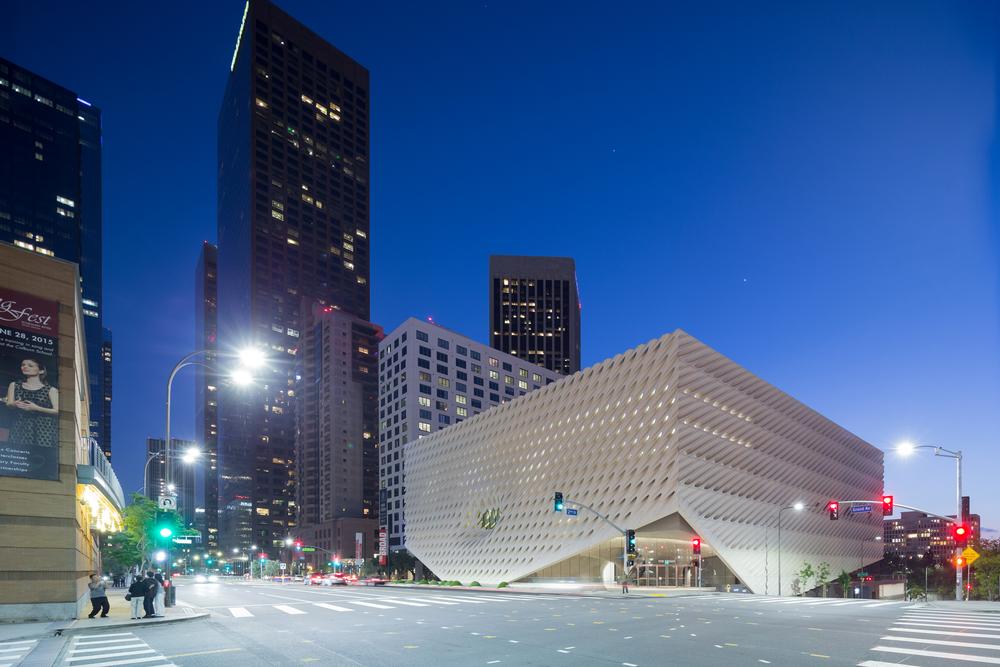
Designed by architecture firm Diller Scofidio + Renfro in collaboration with Gensler, the 120,000sq ft (11,150sqm), $140m (£97m, €123m) museum opened to the public in September 2015. It joins other cultural institutions on Grand Avenue – including the Arts Magnet High School, Disney Hall and MOCA – that have been greatly shaped by Broad’s often-controversial patronage.
Controversial or not, the Broad is a stellar gift to the people of LA. It sits next to Disney Hall on a ridge, serving as the grounded, absorptive counterpart to the undulating waves of its shinier companion. Designed around the concept of the veil and the vault, the museum invites visitors into a conversation with the collection, its creators and stewards – and one another.
Visitor experience This conversation plays out in surprising and intriguing ways throughout the visitor experience. The building itself lifts its skirt, beckoning visitors to enter beneath the raised honeycombed veil to a dim, sparse entry gallery that serves as the point of departure and return.
Here, visitors can orient themselves with the aid of a welcoming Visitor Services Associate (VSA). Positioned throughout the building, the friendly and approachable VSAs represent a sharp deviation from the traditional security guards in other museums. They help visitors navigate their experience and are trained to talk about the collection and the artists, revealing little-known details and engaging people with the art in deeper and unexpected ways. (During a recent visit, one exceptionally musical VSA softly sang African American spirituals at the threshold to a third-floor gallery, providing an exquisitely moving soundtrack to Kara Walker’s devastating African’t.)
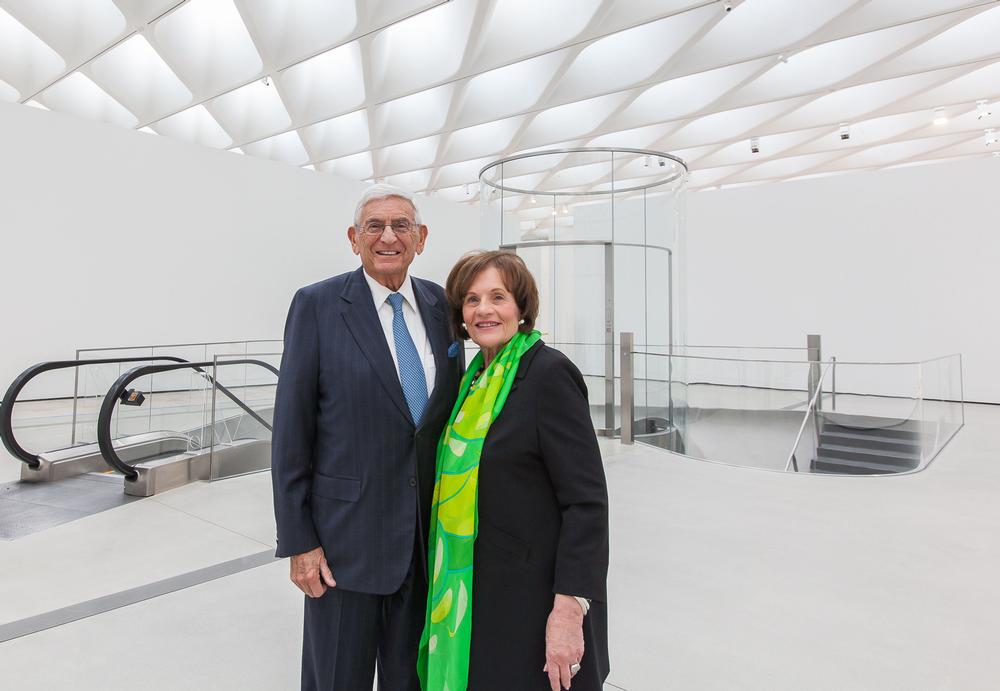
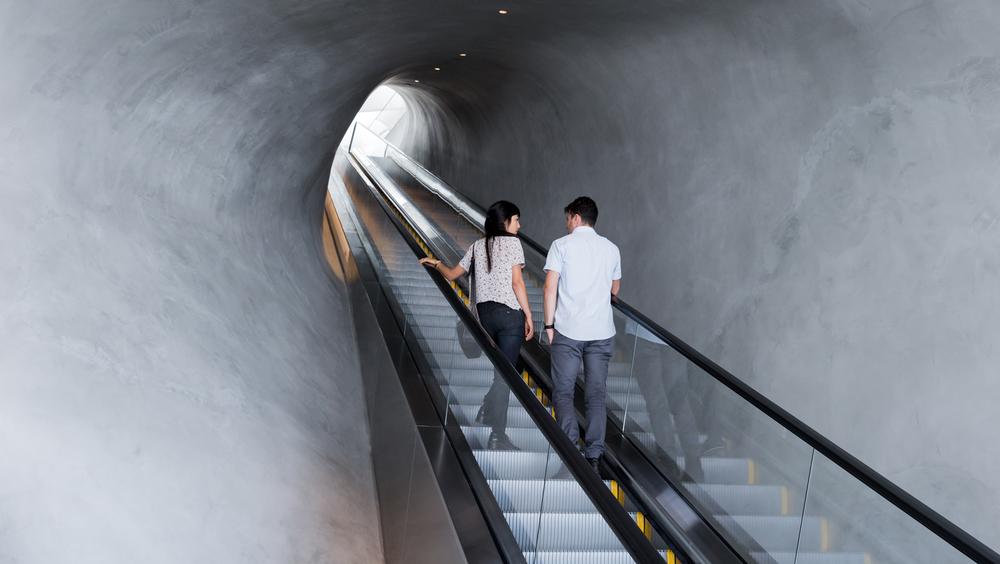
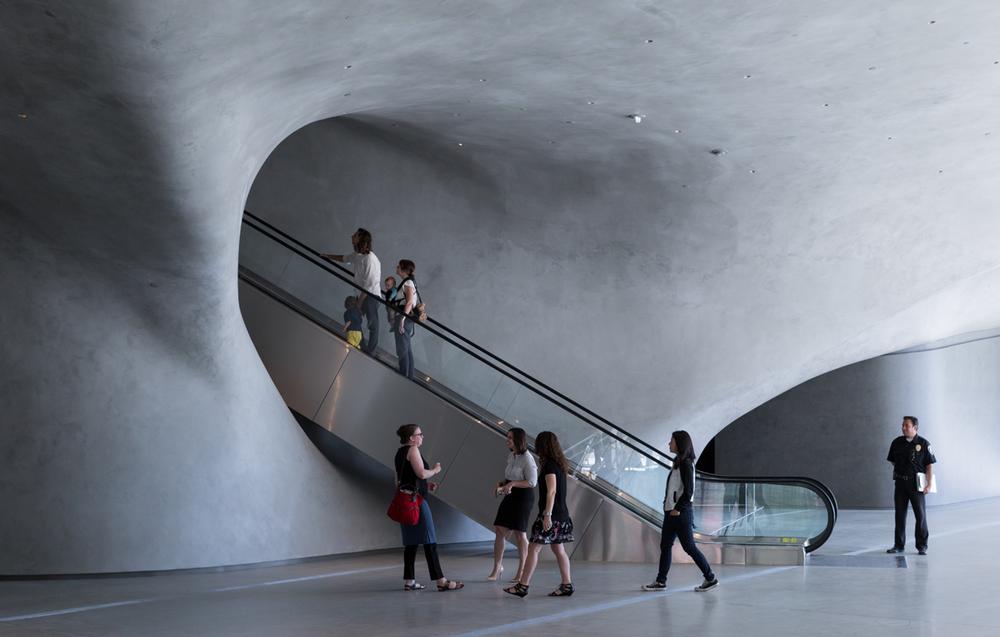
Veil and vault The Broad’s interiors rightly exist to support and elevate the art, permitting the visitor to freely explore the 50,000sq ft (4,645sqm) of gallery space. Although the ground floor contains several galleries, our instincts immediately drew us from the womb-like lobby onto the escalator. We climbed 105 feet (32 metres) through the constricted tube toward the light above, disembarking on the expansive, columnless third floor.
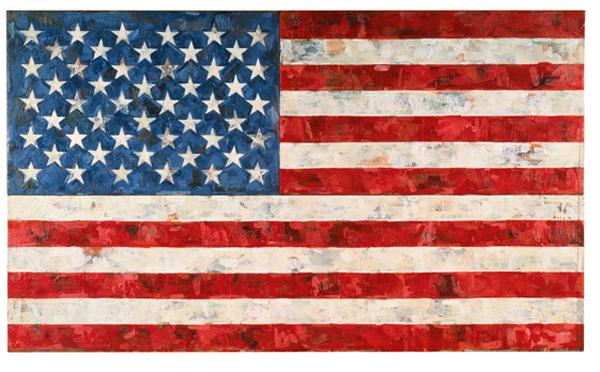
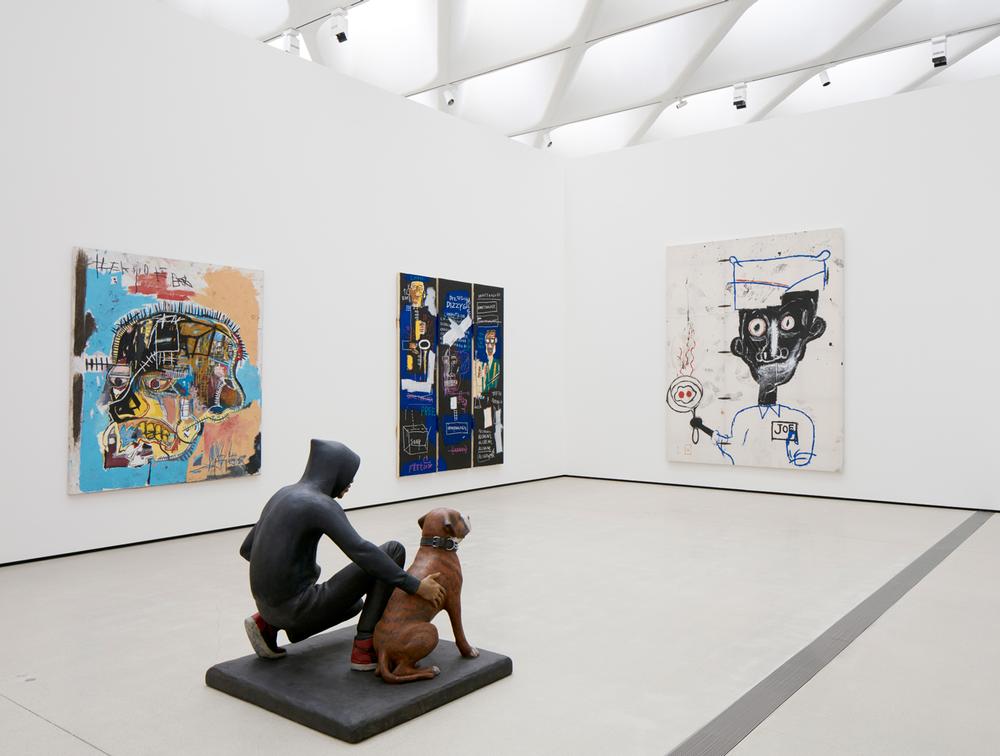
The inaugural installation, following a roughly chronological timeline, begins here with works from the 1950s through the early 2000s from such heavy hitters as Jasper Johns, Robert Rauschenberg, Cy Twombly, Roy Lichtenstein, Ed Ruscha, Andy Warhol, Jean-Michel Basquiat, Keith Haring, Barbara Kruger and Jeff Koons. The art is beautifully illuminated by the diffused light that filters through the 318 skylights above. The cell-like openings in the veil surrounding the outer gallery walls create artful backdrops to several of the collection pieces as well as glimpses of Disney Hall’s reflective curves next door.
To reach the lower galleries, visitors can descend via a clear tubular elevator or the twisting staircase, which takes them past tall windows that invite a peek inside the 21,000sq ft (1,950sqm) collection storage area (the vault) on the second floor for an intriguing preview of what might be on display during their next visit.
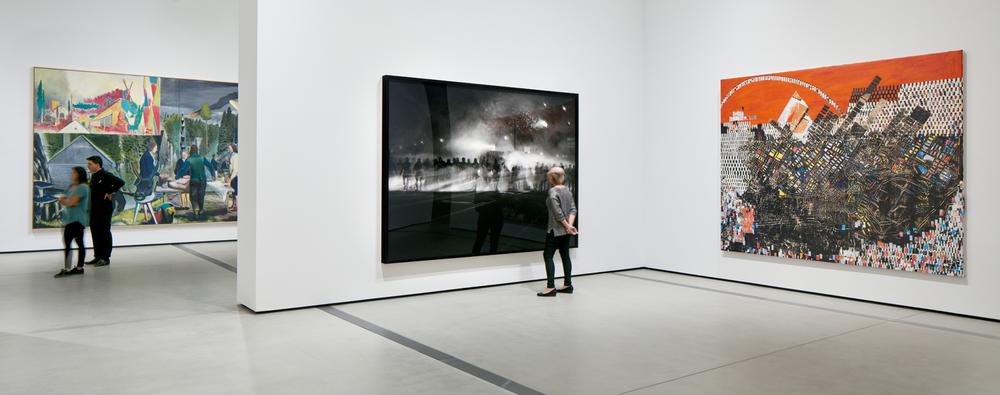
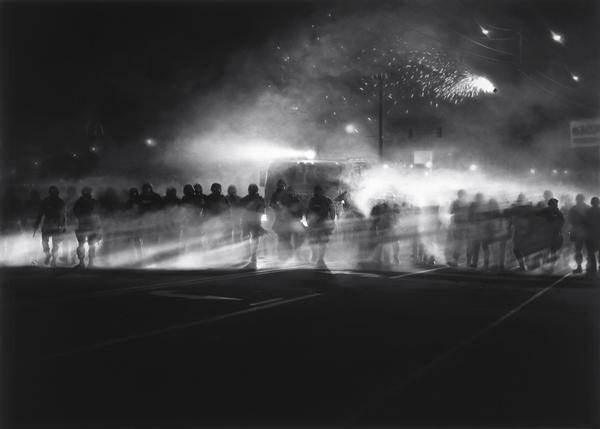
Transformations The inaugural installation’s chronological progression continues on the first floor, with works from 2000 to the present. The flow on this floor does not work as well as in other areas of the museum; the elegant sequence of compression and expansion elsewhere is replaced by a succession of tighter gallery spaces that often result in impassable clumps of people trying to find good viewing spots for works such as Robert Longo’s powerful Untitled (Ferguson Police, August 13, 2014) or the intriguing, inside-out perspective of Tomas Struth’s Audience 4 (Galleria dell’Accademia), Florenz, 2004. Fortunately, there’s ample breathing room in the Takashi Murakami room, grounded by the artist’s astonishing 82-foot-long (25-metre) reflection of the 2011 Tohoku earthquake and resulting tsunami, In the Land of the Dead, Stepping on the Tail of a Rainbow.
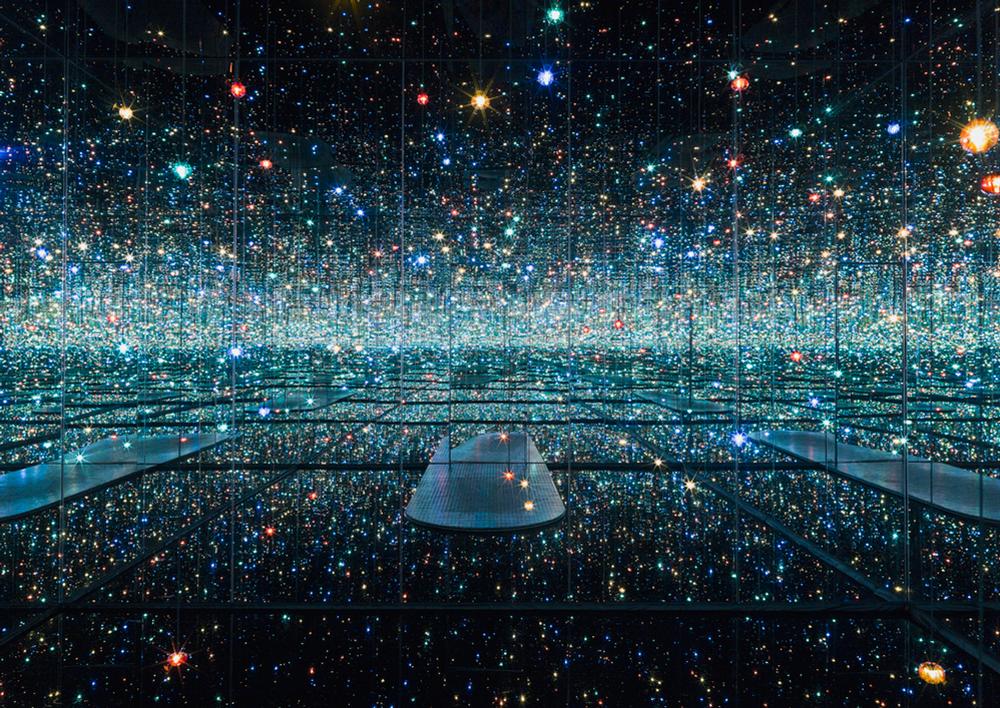
The greatest artistic accomplishment in the entire museum is perhaps the transformation that comes over visitors as they accept the Broad’s invitation to the conversation. It’s great fun to see the change in people’s faces as they exit Yayoi Kusama’s Infinity Mirrored Room – The Souls of Millions of Light Years Away. Each person (who has reserved a separate timed ticket) is allowed only 45 seconds to take in the glittering world of reflected light, but their expressions as they depart indicate those 45 seconds of wonder will stay with them.
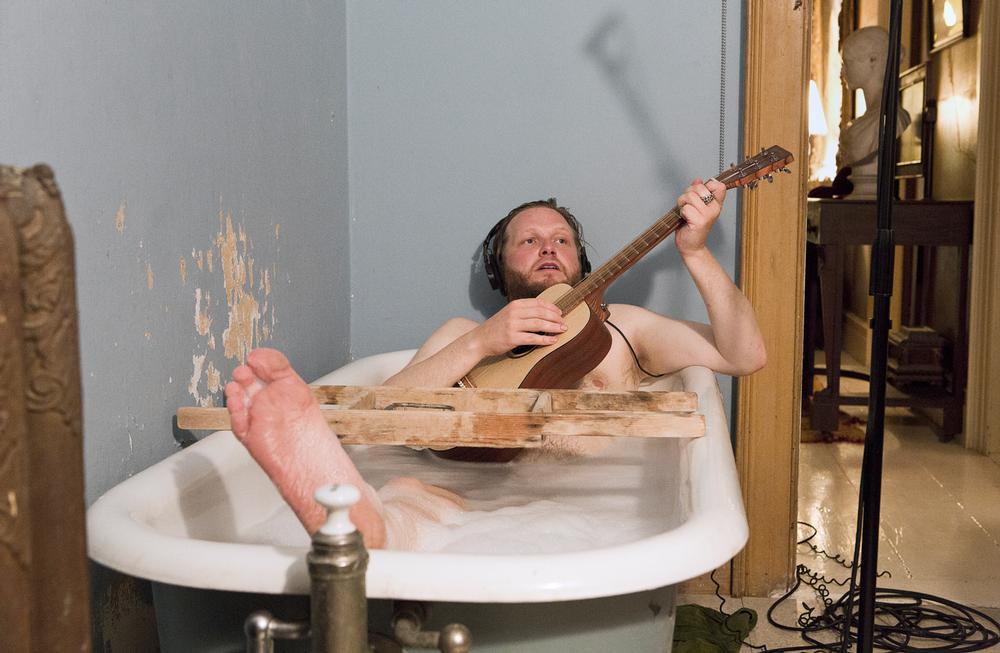
Another transformative installation is Ragnar Kjartansson’s The Visitors, a mesmerising nine-screen video piece. There is a voyeuristic pleasure in watching a naked man strum a guitar in the bathtub and it’s easy to spend an hour trying to take in each scene of individual musicians playing and singing in different tumble-down rooms of Rokeby mansion in upstate New York.
Engagement The success of the conversation can be seen in how people are engaging with the collection. Although visitors can select a tour from a menu available through the free mobile app, very few people were doing so during a recent visit.
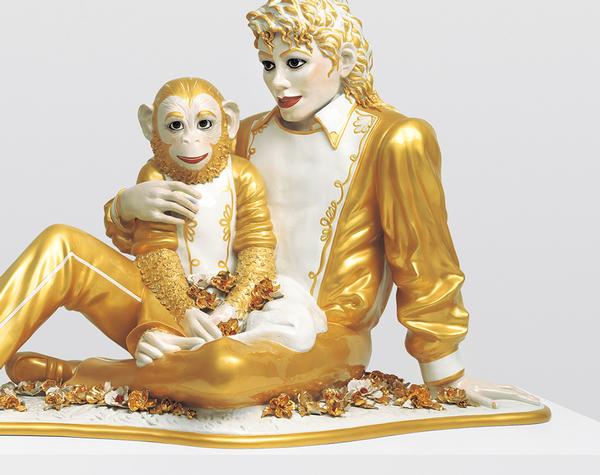
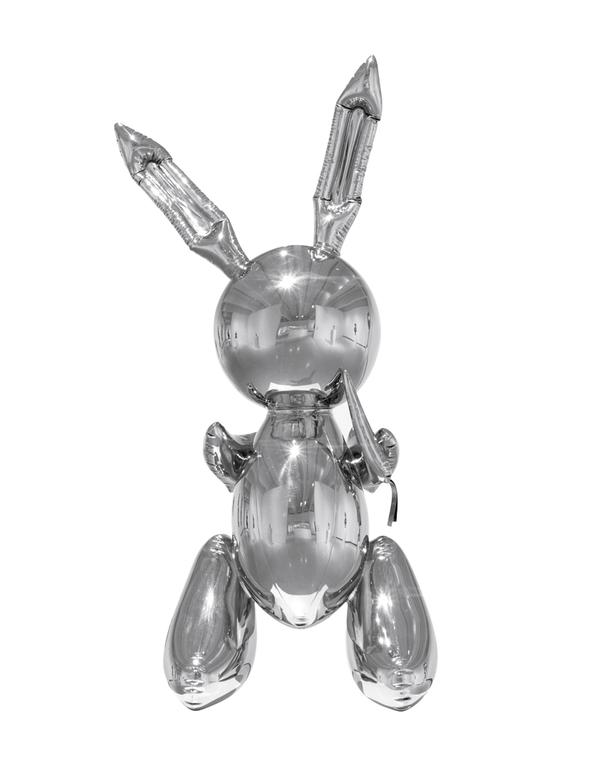
Instead, many were using their phones for selfies (anything by Koons and Robert Therrien’s Under the Table were especially popular). Several were clustered in conversational pockets, talking about the nature of design, the nature of art, the creative process, collaboration and more. While some visitors contemplated the pieces in silence, others approached the VSAs, who are trained to ask questions, supply context and, in a non-judgemental way, help people process their frequently powerful reactions to works with strong social and political themes.
This sense of new, non-stodgy museum behaviour makes sense when you examine the profile of visitors to the Broad. In surveys conducted between 1 December 2015 and 28 February 2016, of visiting adults, 71 per cent were 18-34 years old. Only 36 per cent identified as “White/Euro-American,” with the vast majority aligning with ethnicities including Asian, Latino/Hispanic, Black/African-American, Native American, and various extractions and combinations of those. The most frequent levels of annual household income were “Less than $20,000” (17 per cent) and “$100,000-199,999” (18 per cent) and the audience was largely local: 61 per cent from LA County and 21 per cent from California.
Value in experience This demographic, particularly the millennial generation, is cited with leading the way toward an increased appreciation of experiences over the acquisition of things. The Broad’s deconstructed store, featuring a select collection of curated books and decorative items may play to that, with a very small retail footprint compared to other cultural institutions. Our guess is that most visitors extend their experience not through museum swag, but through their photos, memories and continuing conversations.
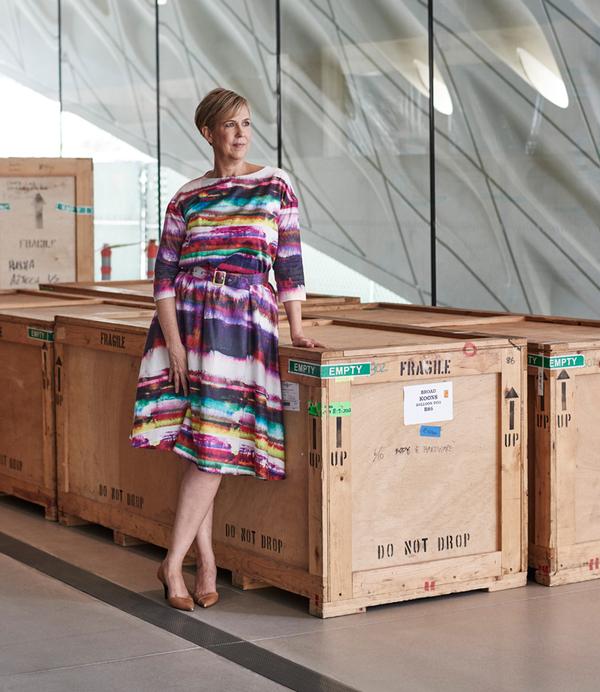
As transplants to LA themselves, the Broads have given this city comprised largely of other transplants a significant gift that feels as if it could only exist here. They’ve also appointed a director who has her finger on the pulse of LA’s population. Joanne Heyler, who has run the Broad Art Foundation for over 20 years, is credited with pushing the Broads towards more diversity in their collection. Her masterful choices in the Broad’s exhibitions and programmes demonstrate how attuned she is to what it takes to build a true people’s museum in the City of Angels.
Read more from this issue of Spa Business magazine
Promotional feature: IDEATTACK
IDEATTACK’s new project in Hainan, China,
introduces the storytelling elements of a
theme park to the oceanarium concept
Science Museums: Shaping Tomorrow
Brazil’s Museum of Tomorrow uses
constantly updating, real-time digital
collection to communicate with visitors.
We met members of the team
Promotional feature: EAS
This year, the Euro Attractions Show is
coming to the Spanish city of Barcelona
Disney Special: Shanghai Disney: The Best Yet?
As Disney opens its first resort in mainland
China, our special feature examines its
business model, its potential impact and
the modernisation of the Disney castle park
New Openings: Space Inversion
A new contemporary museum district
in the Netherlands – Museumplein
Limburg – features a science centre,
a design museum and an inverted
planetarium. We take a closer look
Promotional feature: Polin
Polin’s patented technologies, extensive R&D and creative flair have made it one of the world’s leading waterpark design and manufacturing companies
Waterparks: Taking the Plunge
Waterpark suppliers constantly develop
their product offers. We dive into the
world of waterpark R&D to find out more
Zoos & Aquariums: The Long Game
UK safari park Longleat is undertaking a
decade-long upgrade that starts by going
back to its roots. As the attraction turns
50, CEO Bob Montgomery explains how
he’s bridging the past and the future
The exterior of the Broad (bottom) / PHOTO: IWAN BAAN
An elevator takes visitors to the gallery space / PHOTO: IWAN BAAN
Michael Jackson and Bubbles by Jeff Koons, 1988 / ARTWORK IMAGES COURTESY THE BROAD AND THE ARTIST
Skylights provide filtered natural light in the third-floor exhibition spaces / ARTWORK IMAGES COURTESY THE BROAD AND THE ARTIST
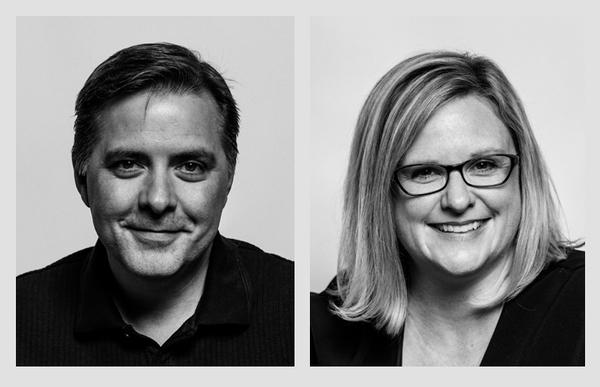
BRC Imagination Arts creative director Matthew Solari and vice president and executive producer Carmel Lewis report on their experience of LA’s new museum
LA Broad director Joanne Heyler / PHOTO: ADRIAN GAUT
the Broad’s “womb-like” lobby / PHOTO: IWAN BAAN
Artworks from 2000 to the present on the first floor / PHOTO: BRUCE DAMONTE
Untitled (Ferguson Police, August 13, 2014) by Robert Longo, 2014
Infinity Mirrored Room – The Souls of Millions of Light Years Away by Yayoi Kusama, 2013
Rabbit by Jeff Koons, 1986
Nine-channel HD video projection The Visitors by Ragnar Kjartansson, 2012
In the fast-paced world of fitness and wellness, where high-intensity workouts push us to
our limits and the sweat pours, the importance of efficient recovery cannot be overstated. [more...]
Philanthropists Eli and Edythe Broad debuted a sensational modern art museum in LA’s cultural heart. It’s their gift to the people – and there’s plenty to love
Several times a week, Carmel – who lives downtown – purposely drives out of her way to check out the long line of people eager to gain entry to Los Angeles’ most recent cultural sensation, The Broad modern art museum.
As a global centre for storytelling, LA is no stranger to the many long lines of residents and visitors, keen to pay ever-increasing sums to experience the stories created here. They come via films, TV, Disneyland and Universal Studios, as well as preeminent cultural venues such as the Walt Disney Concert Hall, the Hollywood Bowl and the Music Center.
The Broad is the newest pearl in a string of world-class architecture and arts organisations along Grand Avenue, where you’ll find the Disney Concert Hall, the Museum of Contemporary Art (MOCA), Grand Park, Ahmanson Theatre, Mark Taper Forum, Dorothy Chandler Pavilion, LA Opera, LA Phil and more. But it turns the idea that you get what you pay for on its head. The Broad not only tells a stunning story of urban renewal, architecture and LA’s premier position in the contemporary art world, it is also free to the public.
Yet, people are not lining up along the block – all day, six days a week – because it’s free. They’re lining up because the collection amassed by Eli and Edythe Broad speaks to them. The museum is a true reflection of LA itself: cosmopolitan with a dose of grit, conveying casual sensibilities within beautiful surroundings and possessing undeniable star power. It demands to be seen and discussed. (And, for those who don’t want to queue, the museum website offers timed tickets.)
Contemporary focus When the Broads began to seriously collect art in the 1970s, they focused on the classics, targeting such artists as Vincent van Gogh and Henri Matisse. They soon realised it’s nearly impossible for private individuals to build an extensive collection of great artworks from past eras, so they turned their attention to contemporary and emerging artists – many based in LA – with whom they could build relationships.
In the ensuing decades, they assembled one of the most important collections of contemporary art in the world. They also acquired many post-World War II pieces that represent foundational undercurrents to more recent art.
Their patronage of living artists was a natural fit with their desire to share their collection with the broadest public audience possible. The Broad collection is now up to 2,000 works by around 200 artists and growing at at rate of approximately one new acquisition per week. Since 1984, the Broad Art Foundation has loaned works to over 500 museums, non-commercial art galleries and exhibition spaces worldwide.
Cultural centre After building two Fortune 500 companies in two different industries, Eli Broad retired in 1999 to focus on his philanthropic work. Similar to the Chandlers, the Dohenys, and other families who built Los Angeles, Broad set his sights on his adopted city. (Eli and Edythe originally hailed from Detroit).
The museum not only serves to store and exhibit the Broad collection, it also represents the most recent contribution toward the realisation of Eli Broad’s work to remake Grand Avenue as a vibrant centre for LA culture and architecture.
Designed by architecture firm Diller Scofidio + Renfro in collaboration with Gensler, the 120,000sq ft (11,150sqm), $140m (£97m, €123m) museum opened to the public in September 2015. It joins other cultural institutions on Grand Avenue – including the Arts Magnet High School, Disney Hall and MOCA – that have been greatly shaped by Broad’s often-controversial patronage.
Controversial or not, the Broad is a stellar gift to the people of LA. It sits next to Disney Hall on a ridge, serving as the grounded, absorptive counterpart to the undulating waves of its shinier companion. Designed around the concept of the veil and the vault, the museum invites visitors into a conversation with the collection, its creators and stewards – and one another.
Visitor experience This conversation plays out in surprising and intriguing ways throughout the visitor experience. The building itself lifts its skirt, beckoning visitors to enter beneath the raised honeycombed veil to a dim, sparse entry gallery that serves as the point of departure and return.
Here, visitors can orient themselves with the aid of a welcoming Visitor Services Associate (VSA). Positioned throughout the building, the friendly and approachable VSAs represent a sharp deviation from the traditional security guards in other museums. They help visitors navigate their experience and are trained to talk about the collection and the artists, revealing little-known details and engaging people with the art in deeper and unexpected ways. (During a recent visit, one exceptionally musical VSA softly sang African American spirituals at the threshold to a third-floor gallery, providing an exquisitely moving soundtrack to Kara Walker’s devastating African’t.)
Veil and vault The Broad’s interiors rightly exist to support and elevate the art, permitting the visitor to freely explore the 50,000sq ft (4,645sqm) of gallery space. Although the ground floor contains several galleries, our instincts immediately drew us from the womb-like lobby onto the escalator. We climbed 105 feet (32 metres) through the constricted tube toward the light above, disembarking on the expansive, columnless third floor.
The inaugural installation, following a roughly chronological timeline, begins here with works from the 1950s through the early 2000s from such heavy hitters as Jasper Johns, Robert Rauschenberg, Cy Twombly, Roy Lichtenstein, Ed Ruscha, Andy Warhol, Jean-Michel Basquiat, Keith Haring, Barbara Kruger and Jeff Koons. The art is beautifully illuminated by the diffused light that filters through the 318 skylights above. The cell-like openings in the veil surrounding the outer gallery walls create artful backdrops to several of the collection pieces as well as glimpses of Disney Hall’s reflective curves next door.
To reach the lower galleries, visitors can descend via a clear tubular elevator or the twisting staircase, which takes them past tall windows that invite a peek inside the 21,000sq ft (1,950sqm) collection storage area (the vault) on the second floor for an intriguing preview of what might be on display during their next visit.
Transformations The inaugural installation’s chronological progression continues on the first floor, with works from 2000 to the present. The flow on this floor does not work as well as in other areas of the museum; the elegant sequence of compression and expansion elsewhere is replaced by a succession of tighter gallery spaces that often result in impassable clumps of people trying to find good viewing spots for works such as Robert Longo’s powerful Untitled (Ferguson Police, August 13, 2014) or the intriguing, inside-out perspective of Tomas Struth’s Audience 4 (Galleria dell’Accademia), Florenz, 2004. Fortunately, there’s ample breathing room in the Takashi Murakami room, grounded by the artist’s astonishing 82-foot-long (25-metre) reflection of the 2011 Tohoku earthquake and resulting tsunami, In the Land of the Dead, Stepping on the Tail of a Rainbow.
The greatest artistic accomplishment in the entire museum is perhaps the transformation that comes over visitors as they accept the Broad’s invitation to the conversation. It’s great fun to see the change in people’s faces as they exit Yayoi Kusama’s Infinity Mirrored Room – The Souls of Millions of Light Years Away. Each person (who has reserved a separate timed ticket) is allowed only 45 seconds to take in the glittering world of reflected light, but their expressions as they depart indicate those 45 seconds of wonder will stay with them.
Another transformative installation is Ragnar Kjartansson’s The Visitors, a mesmerising nine-screen video piece. There is a voyeuristic pleasure in watching a naked man strum a guitar in the bathtub and it’s easy to spend an hour trying to take in each scene of individual musicians playing and singing in different tumble-down rooms of Rokeby mansion in upstate New York.
Engagement The success of the conversation can be seen in how people are engaging with the collection. Although visitors can select a tour from a menu available through the free mobile app, very few people were doing so during a recent visit.
Instead, many were using their phones for selfies (anything by Koons and Robert Therrien’s Under the Table were especially popular). Several were clustered in conversational pockets, talking about the nature of design, the nature of art, the creative process, collaboration and more. While some visitors contemplated the pieces in silence, others approached the VSAs, who are trained to ask questions, supply context and, in a non-judgemental way, help people process their frequently powerful reactions to works with strong social and political themes.
This sense of new, non-stodgy museum behaviour makes sense when you examine the profile of visitors to the Broad. In surveys conducted between 1 December 2015 and 28 February 2016, of visiting adults, 71 per cent were 18-34 years old. Only 36 per cent identified as “White/Euro-American,” with the vast majority aligning with ethnicities including Asian, Latino/Hispanic, Black/African-American, Native American, and various extractions and combinations of those. The most frequent levels of annual household income were “Less than $20,000” (17 per cent) and “$100,000-199,999” (18 per cent) and the audience was largely local: 61 per cent from LA County and 21 per cent from California.
Value in experience This demographic, particularly the millennial generation, is cited with leading the way toward an increased appreciation of experiences over the acquisition of things. The Broad’s deconstructed store, featuring a select collection of curated books and decorative items may play to that, with a very small retail footprint compared to other cultural institutions. Our guess is that most visitors extend their experience not through museum swag, but through their photos, memories and continuing conversations.
As transplants to LA themselves, the Broads have given this city comprised largely of other transplants a significant gift that feels as if it could only exist here. They’ve also appointed a director who has her finger on the pulse of LA’s population. Joanne Heyler, who has run the Broad Art Foundation for over 20 years, is credited with pushing the Broads towards more diversity in their collection. Her masterful choices in the Broad’s exhibitions and programmes demonstrate how attuned she is to what it takes to build a true people’s museum in the City of Angels.
Read more from this issue of Spa Business magazine
Promotional feature: IDEATTACK
IDEATTACK’s new project in Hainan, China,
introduces the storytelling elements of a
theme park to the oceanarium concept
Science Museums: Shaping Tomorrow
Brazil’s Museum of Tomorrow uses
constantly updating, real-time digital
collection to communicate with visitors.
We met members of the team
Promotional feature: EAS
This year, the Euro Attractions Show is
coming to the Spanish city of Barcelona
Disney Special: Shanghai Disney: The Best Yet?
As Disney opens its first resort in mainland
China, our special feature examines its
business model, its potential impact and
the modernisation of the Disney castle park
New Openings: Space Inversion
A new contemporary museum district
in the Netherlands – Museumplein
Limburg – features a science centre,
a design museum and an inverted
planetarium. We take a closer look
Promotional feature: Polin
Polin’s patented technologies, extensive R&D and creative flair have made it one of the world’s leading waterpark design and manufacturing companies
Waterparks: Taking the Plunge
Waterpark suppliers constantly develop
their product offers. We dive into the
world of waterpark R&D to find out more
Zoos & Aquariums: The Long Game
UK safari park Longleat is undertaking a
decade-long upgrade that starts by going
back to its roots. As the attraction turns
50, CEO Bob Montgomery explains how
he’s bridging the past and the future
The exterior of the Broad (bottom) / PHOTO: IWAN BAAN
An elevator takes visitors to the gallery space / PHOTO: IWAN BAAN
Michael Jackson and Bubbles by Jeff Koons, 1988 / ARTWORK IMAGES COURTESY THE BROAD AND THE ARTIST
Skylights provide filtered natural light in the third-floor exhibition spaces / ARTWORK IMAGES COURTESY THE BROAD AND THE ARTIST
BRC Imagination Arts creative director Matthew Solari and vice president and executive producer Carmel Lewis report on their experience of LA’s new museum
LA Broad director Joanne Heyler / PHOTO: ADRIAN GAUT
the Broad’s “womb-like” lobby / PHOTO: IWAN BAAN
Artworks from 2000 to the present on the first floor / PHOTO: BRUCE DAMONTE
Untitled (Ferguson Police, August 13, 2014) by Robert Longo, 2014
Infinity Mirrored Room – The Souls of Millions of Light Years Away by Yayoi Kusama, 2013
Rabbit by Jeff Koons, 1986
Nine-channel HD video projection The Visitors by Ragnar Kjartansson, 2012
Jessica Sloyan, a wellness operations and training expert, has established an independent
private training academy to provide professional qualifications for practitioners looking to offer
immersive wellness experiences.
The International Spa Association (ISPA) has published its full 2026 US Spa Industry Study,
providing further insights into the region’s total US$1 billion (€855 million, £780 million)
industry revenue increase from 2024 to 2025.
Ameyalli, the 78-acre wellbeing resort and residential community in Midway in Utah, US, has
broken ground on phase two of the hot spring development – the Ameyalli Resort and Spa –
which is due to open in 2028.
TLee Spas and Wellness has revealed the design concept for a high-tech spa with body
mapping scanners to improve public health, for AI company Midjourney.
Gran Hotel Taoro in northern Tenerife, Spain, has completed the final phase of its three-year
renovation with the debut of its Sandára Wellness Centre.
Hand and Stone Massage and Facial Spa, the spa business with more than 650 locations across
the US and Canada, has appointed franchise expert Carrie Walsh as CEO as the company plans
to expand.
Synergy – The Retreat Show, the global trade show for retreats, has launched a global research
initiative that will provide insights into the retreat sector from both consumer and industry
perspectives.
The Wellness Tourism Association (WTA) has published a non-regulatory global industry
framework designed to ensure the retreat market offers responsible experiences.
A new survey of UK and international spa practitioners shows that stress, burnout and
wellbeing concerns have caused one in three respondents to consider leaving the industry.
In the fast-paced world of fitness and wellness, where high-intensity workouts push us to
our limits and the sweat pours, the importance of efficient recovery cannot be overstated. [more...]