Is it really possible to roll out destination spas successfully? The CEO of
CG Hospitality, which owns The Farm at San Benito in the Philippines,
passionately believes so and tells Katie Barnes why he’s taking the brand
to Nepal and Jordan, with India, Phuket and Portugal next on the list
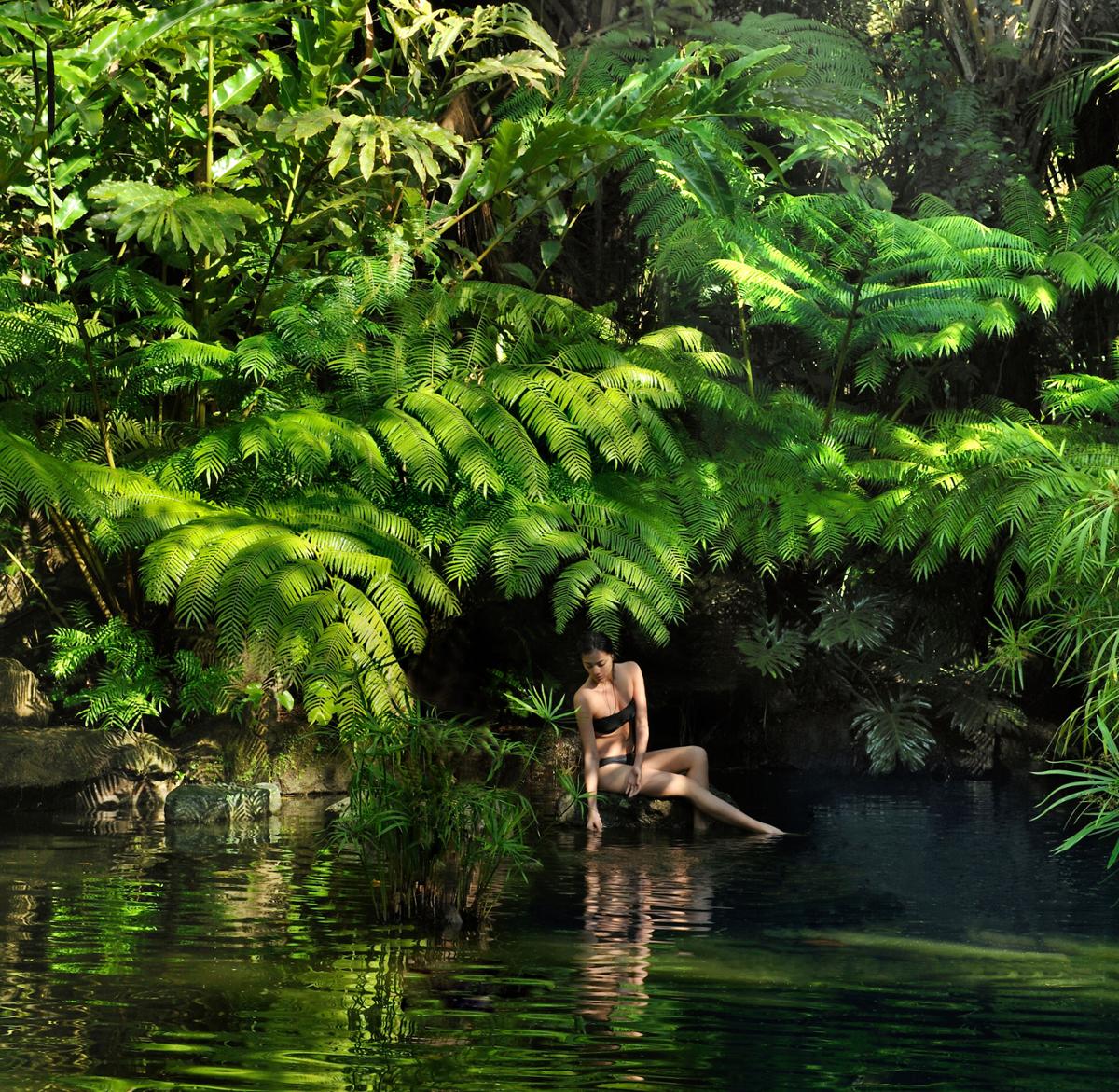
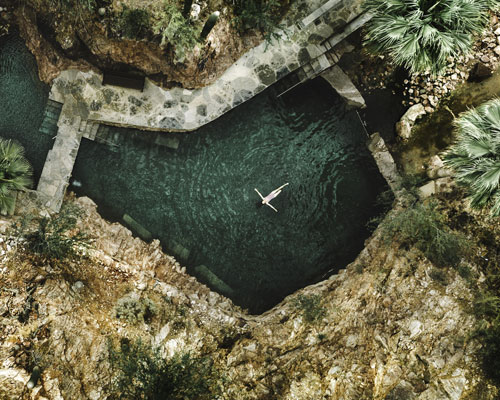
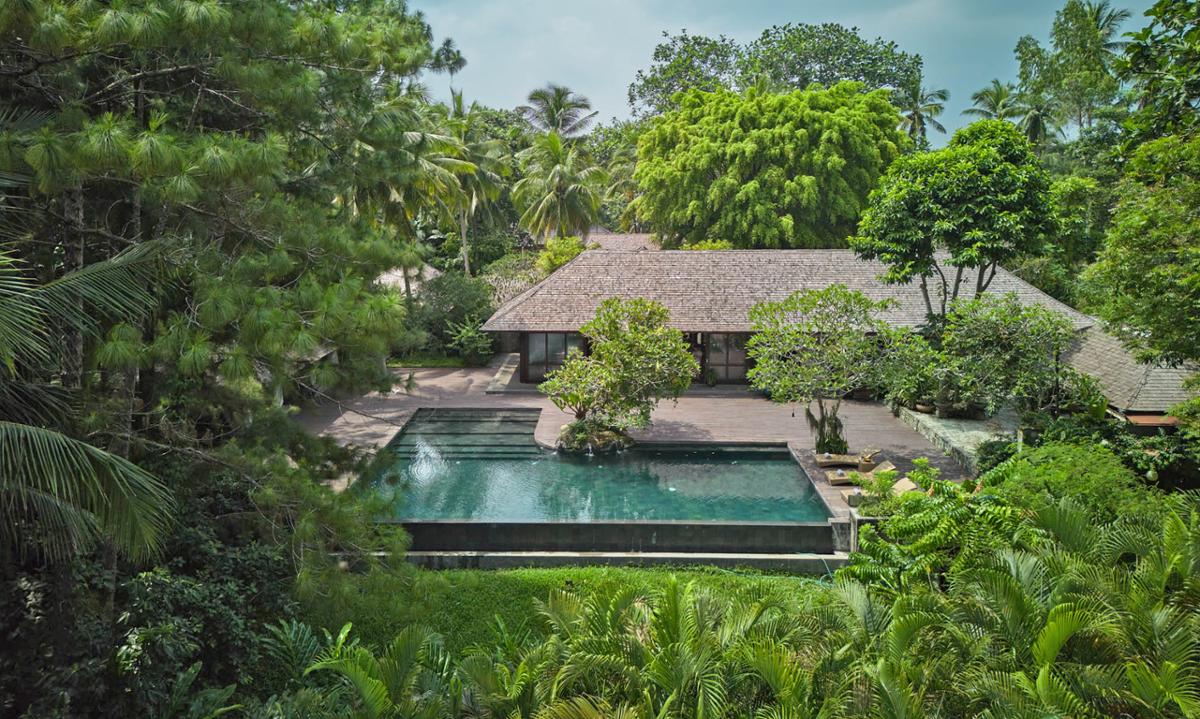
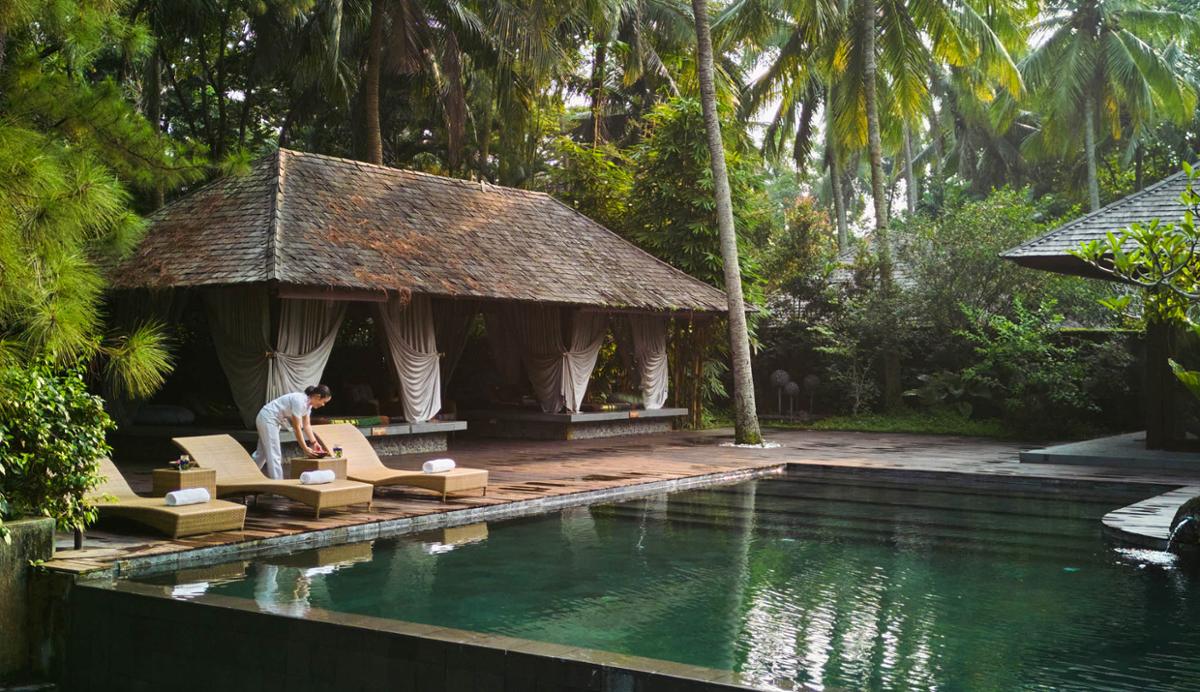
The Farm sits in 52 hectares of lush green jungle / The Farm at San Benito
When the pandemic forced hotels around the world to shut overnight, The Farm at San Benito in the Philippines was still running at 90 per cent occupancy and generating close to US$800 (€730, £643) average spend per guest. The 60-key wellness destination, 90 minutes from Manila, is blessed with 52 hectares of lush green jungle, majestic mountain views and pure fresh air and quickly converted to a health centre where people could go for COVID tests, stay in quarantine or recover post-virus.
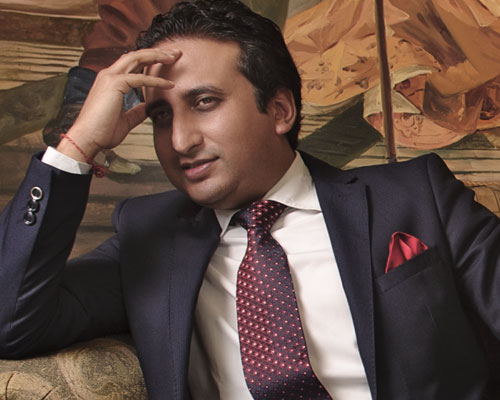
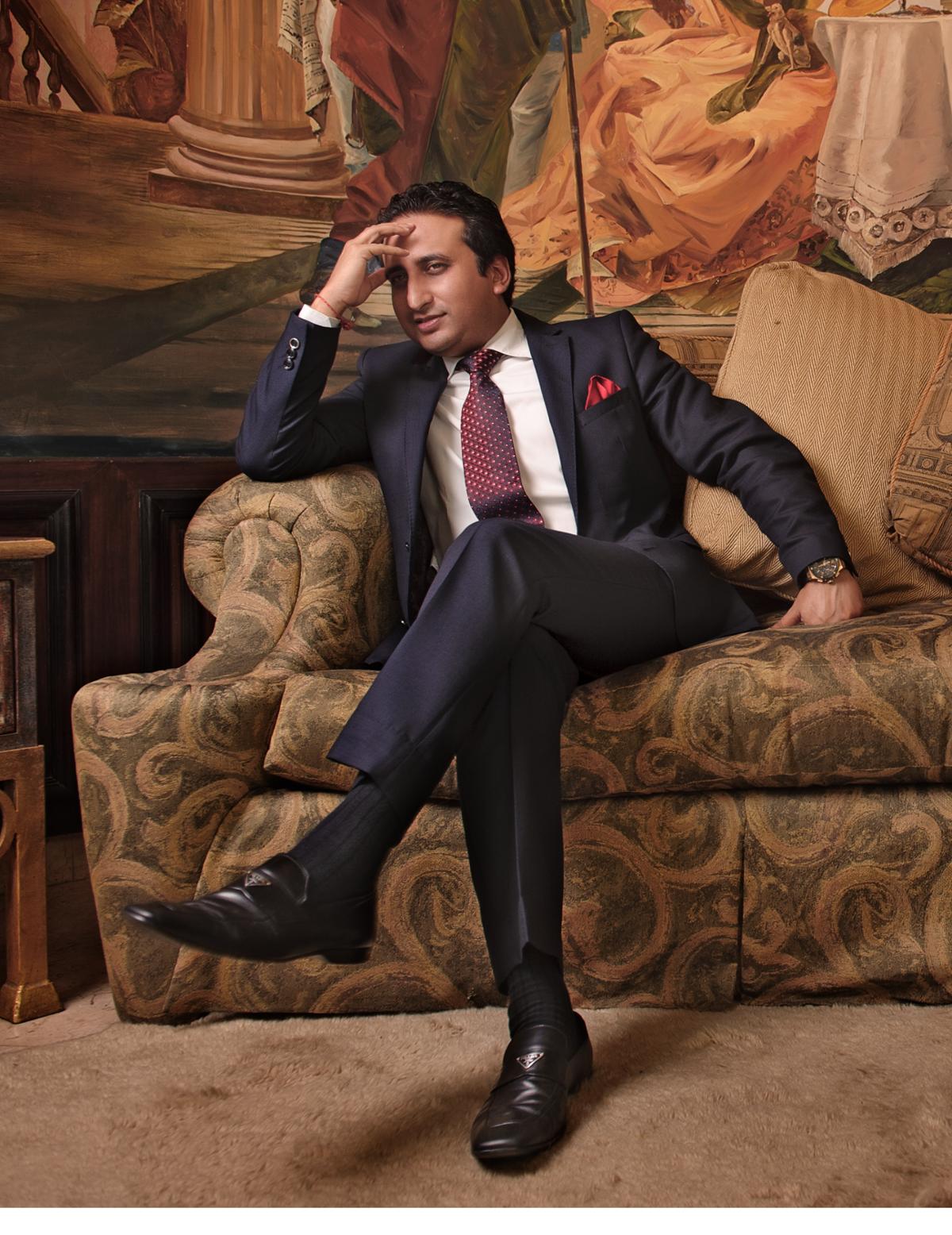
“We have 150 properties in our portfolio and The Farm outperformed all of them consistently during COVID,” says Rahul Chaudhary, CEO of The Farm’s parent company CG Hospitality Holdings. “People couldn’t leave the Philippines for two years and we had guests who took rooms for that entire time.”
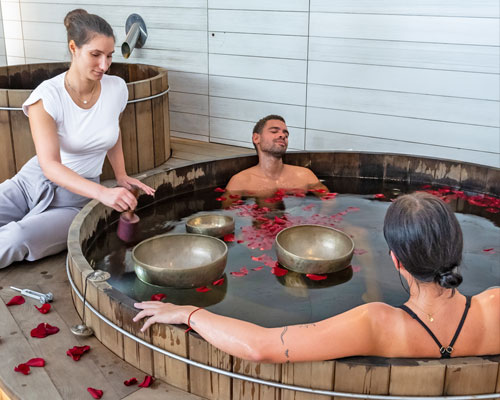
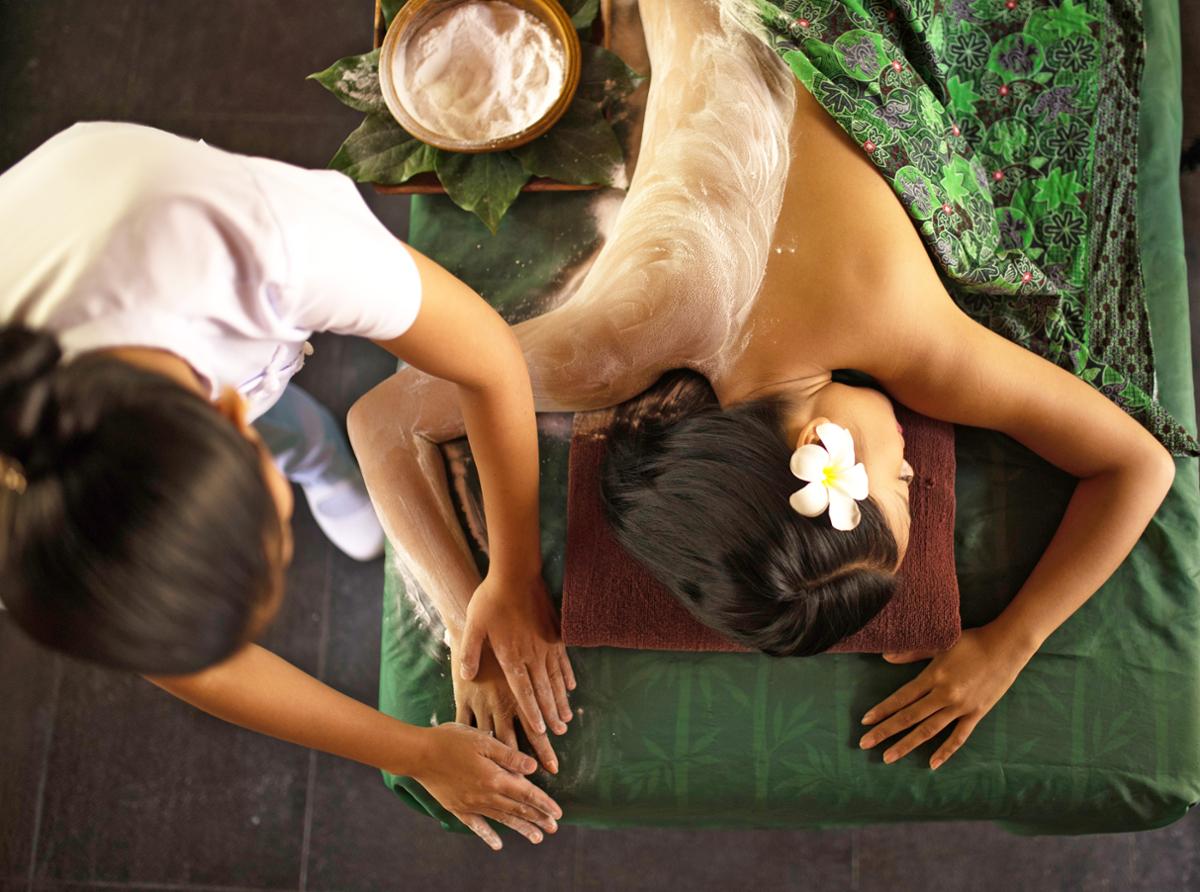
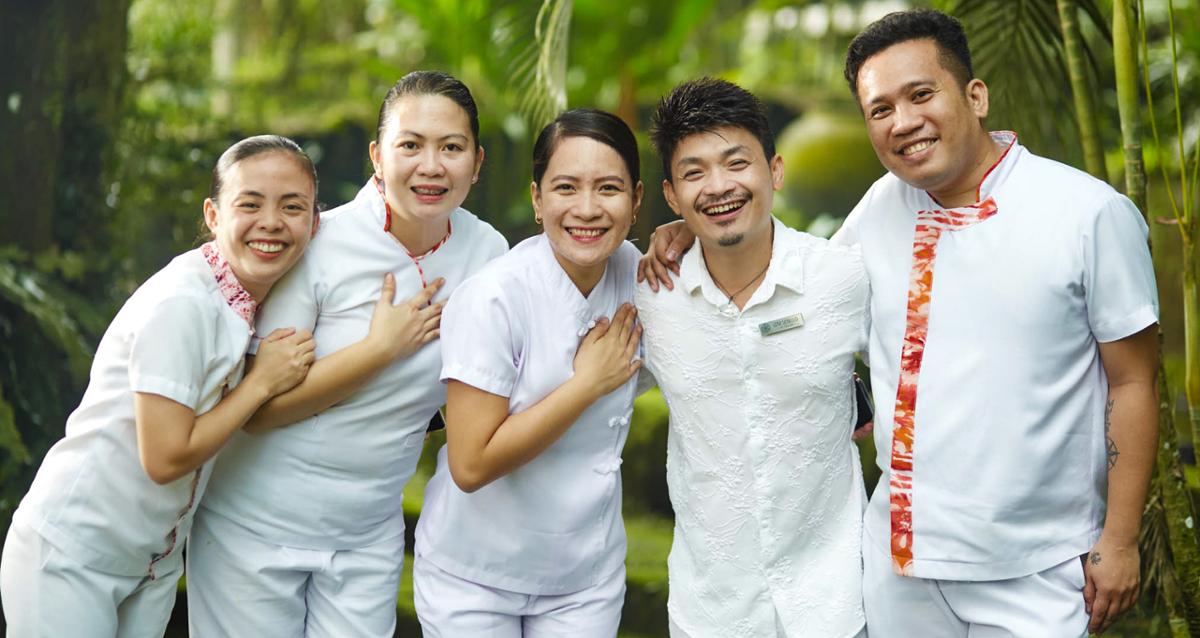
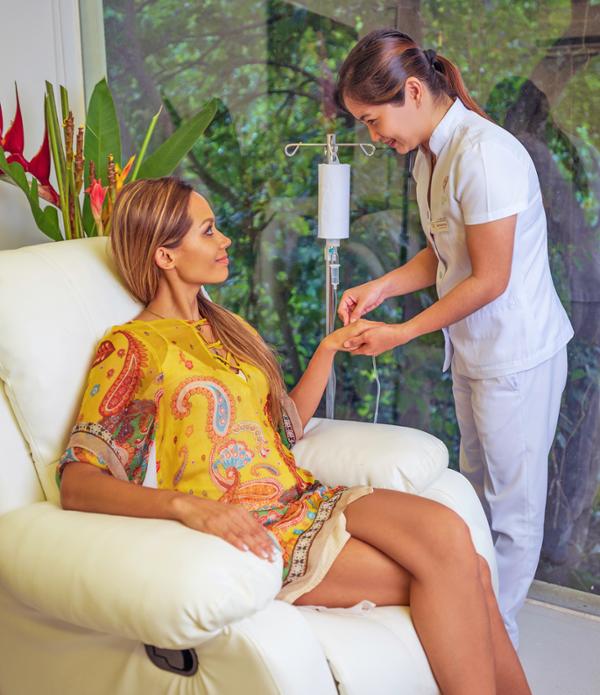
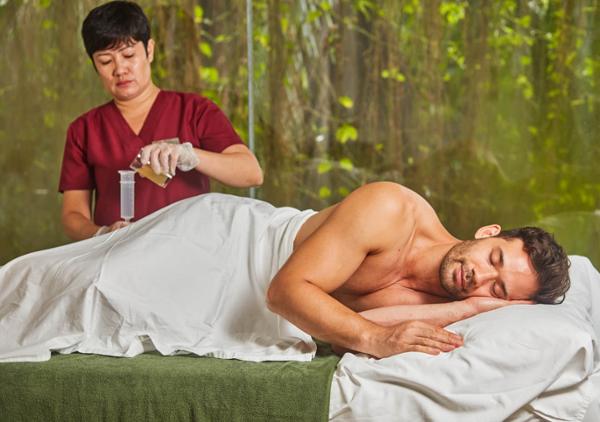
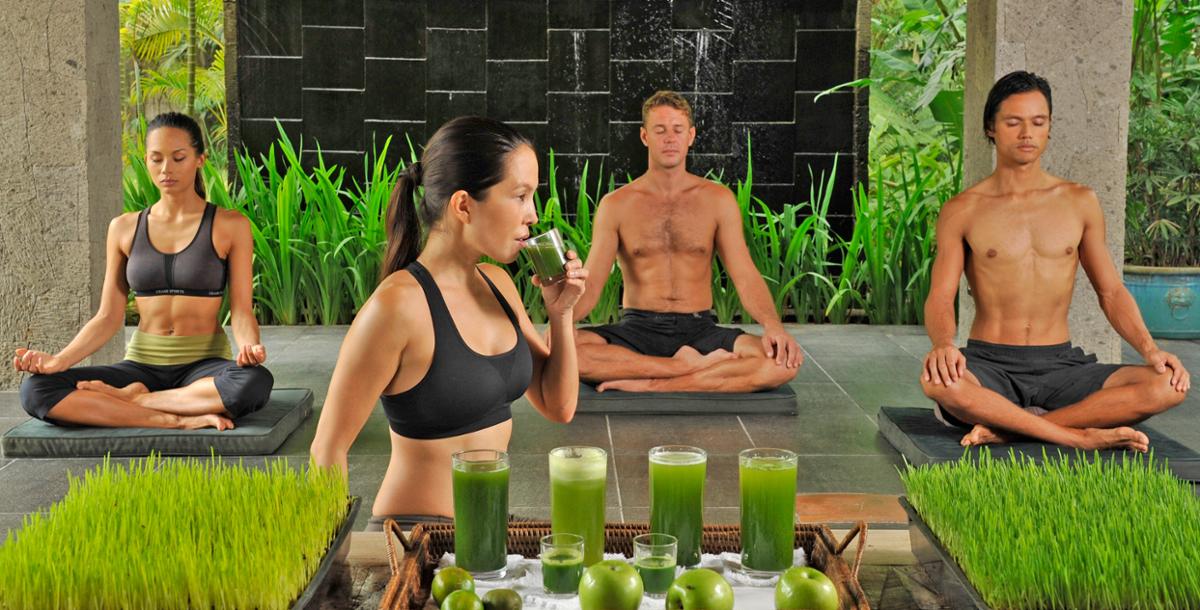
This outside-the-box thinking is typical of The Farm. New programmes from the holistic medical wellness resort are nearly always the first to market and reliably on-point – Happiness, Long COVID Recovery, Wellness Workations, Senior Wellness and Holistic Cancer Care to name a few. Its integrative medical doctors specialise in preventative, lifestyle, functional, naturopathic and holistic medicine and are supported by a team of spa therapists, sound healers, acupuncturists, yoga teachers, living food chefs, nutritionists, fitness coaches, physiotherapists and nurses. It’s in the “business of caring and healing”, driven by helping people to achieve optimum wellbeing.
Now embarking on an international rollout, it’s no surprise that the destinations The Farm is coming to won’t be your usual locales either. Miraaya Wellness & Golf Retreat, a boutique property ‘inspired by The Farm’ is currently in a soft opening phase in Nepal, while a second fully-branded site in Jordan is due to debut next year.
So where does this innovation come from and what further surprises can we expect? Chaudhary shares his vision with Spa Business.
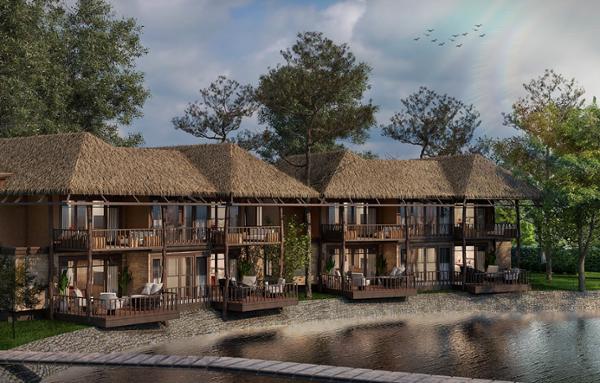
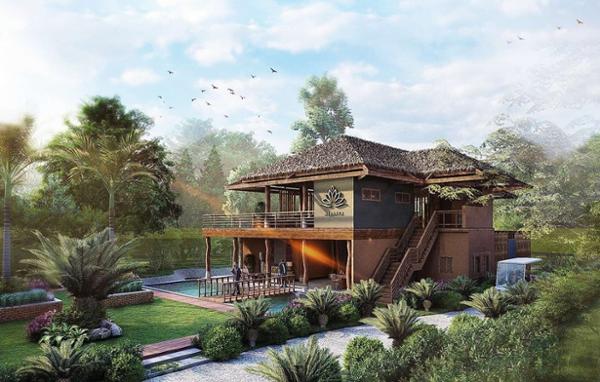
Tell us about your new wellness outpost in Nepal Miraaya Wellness & Golf Resort is in a soft opening phase. Once fully complete later this year, it will have 24 villas and suites centred around a golf course as well as a wellness spa and medically supervised programmes. It draws on The Farm’s DNA, ethos and wellness pillars in both its concept and design, however, it won’t carry The Farm’s name because it’s much smaller and we can’t get all the offerings there. Why Nepal? Because it’s in our backyard – I was born and raised there – but also because it has a very spiritual, mystical side. The home of Mount Everest, it’s a very scenic country and it’s also the birthplace of Siddhartha Gautama, the founder of Buddhism.
Why have you chosen Jordan for The Farm’s international debut? No one would think of Jordan, just like they wouldn’t think of Nepal. But we feel there’s so much about the surrounding environment – the healing minerals from the Dead Sea, the Red Sea, natural hot springs and the spectacular sightings of Petra and Aqaba – that we can tap into to create something unique. We want to put it on the map. It’s not your busy Dubai, Doha or Saudi, but do you really think people will go to these places to be in a wellness resort? Location is first and foremost, from there everything else flows.
Destination spas are notoriously difficult to roll out. How will you succeed where others haven’t? We’ll never be able to replicate The Farm 100 per cent, but it will be our foundation. The medical, wellness and spa offering will be the same but we’ll also customise it based on location.
We’ll tap into wellness traditions such as the Nabatean treatment which combines hydrotherapy and balneology with mineral wraps and argan and oud oil to treat chronic lifestyle illnesses. The food will be inspired by our farm-to-table concept and include 80 per cent of these dishes. But we’ll also use organically grown ingredients which are endemic to the country.
As a nation that’s known for its exceptional heartfelt service and genuine care, we will also provide our Filipino touch. Initially, our skeleton staff – including therapists and nurses – will come from The Philippines to help get all the plans in place and then train locals.
Why is now the right time to expand? Plans for more medical wellness resorts were well underway before COVID, but the pandemic has affirmed that this is absolutely the right move. Hospitality has completely changed. Guests are more health conscious, they crave mental and emotional peace. And spirituality. This is exactly what The Farm offers and we want to take this all over the world.
Where else will we see The Farm in the future? In the next 10 years, we want to have one in all world regions. India is a very important market. It’s going to have a population of 1.6 billion in the next two years. The majority of spenders there are the middle class, but they travel to places like Lanserhof, Palace Merano or Vivamayr for wellness so there’s a gap for something homegrown.
We’re assigned to do one in Phuket and are considering another in Portugal.
What’s pushing you to choose lesser-known destinations? The roots of CG Corp date back 150 years and across four generations of my family (see p45). It was born out of a community in Rajasthan which is known for its innovation so I guess it’s in my blood. Today, CG Corp has 15 verticals and apart from one company, the Nabil Bank in Nepal, we’re still privately held.
Although I went to university in Miami and completed a development programme at Cornell, most of my learning has come from my father – what I refer to as ‘the Chaudhary school of hospitality’! He taught me to think outside the box in difficult times and there’s also been a lot of trial by error. My first acquisition was of a hotel in New York when I was still in college. I closed the deal but made all the mistakes. It was a big learning curve for me and an expensive one for my father.
What drew you to hospitality over CG Corp’s other divisions? Coming from a family business, one would expect me to get involved somehow, but my father gave me the option to do something else and said ‘Whatever you decide it’s up to you, so long as you’re the best at it’. However, hospitality ignited something in me and I love the business. It’s our fastest-growing vertical and is worth close to US$0.5bn. Today we have 150 hotels in 12 countries and more than 8,000 keys, but by 2025 the portfolio is expected to grow to more than 200 hotels and 10,000 keys. I would say that we are one of the most diversified and quickest-growing hospitality groups in this part of the world.
How important are spas to your portfolio? Usage is minimal in business hotels, but in resorts, they’re the biggest attraction because people go there to relax. They bring in massive revenues because you can charge huge premiums when it comes to spas.
How valuable is The Farm to CG Hospitality? It’s one of our key assets because we own and operate it. It’s the face of our business and it’s one of the reasons that we have an identity in the hospitality world.
The success of any hotel can be judged on the level of reinvestment and since taking over The Farm in 2018 we’ve grown it from 30 to 60 keys. Not only that, we’ve expanded the medical facility and our F&B offering. We’re also developing 17 wellness real estate residences which are opening in December and we’ve already sold half of these just by virtue of our brand.
Who are your guests and what do they come for? They come from around the world and visit for various reasons – whether it’s solo travellers on medically supervised programmes, couples on romantic getaways, families looking for fun and transformation or corporate guests on a wellness ‘workation’.
Our most popular packages are our Holistic Detox Cleanse lasting five to seven days and our Weight Management, Diabetes Prevention & Heart Health Programme which ranges from seven to 31 days.
What does wellness mean to you? Unfortunately, the terminology has become diluted and is everywhere – a deep tissue massage in a day spa, a diet programme in an urban centre. To me, it’s not wellness unless it’s an holistic experience that uplifts your life – where food, healthy lifestyle choices and mental and spiritual wellbeing come together. The Farm embodies this and that’s why we think this is a brand that we can take all over the world.
I’m an avid squash player and follow many components of wellness. I try to visit The Farm two to four times a year to reinvent myself but inevitably get pulled into other things. So, I wouldn’t say I practice it totally. But ask me if I believe in it then the answer is yes, 100 per cent.
What keeps you motivated? Inspires you? I’m driven by profit, sure. But there’s also beta satisfaction. Hospitality is a difficult business and creating something with as much attention to detail as The Farm doesn’t happen overnight. So when our team does get appreciation – from journalists or by making a difference in someone’s life – it motivates me to keep making improvements. And knowing that it’s recognised around the world, is the cherry on top.
Four generations of entrepreneurs
photos: The Farm at San Benito
Based in Dubai, with satellite centres in Singapore and Nepal, CG Hospitality Holdings has more than 150 hotels, resorts, safaris and residences across 12 countries and 8,000 keys in its portfolio. Partnering with high-end hospitality brands such as Taj, Fairmont and Radisson, it owns 40 per cent of the properties and operates the remaining 60 per cent. In 2018, it became a majority shareholder of wellness destination The Farm at San Benito in the Philippines.
The company is one of 15 verticals of the Chaudhary Group Corporation Global (CG Corp), a multinational conglomerate with interests in financial services (it has a controlling stake in Nepal’s Nabil Bank), fast-moving consumer goods (FMCG), retail food, telecoms and education sectors
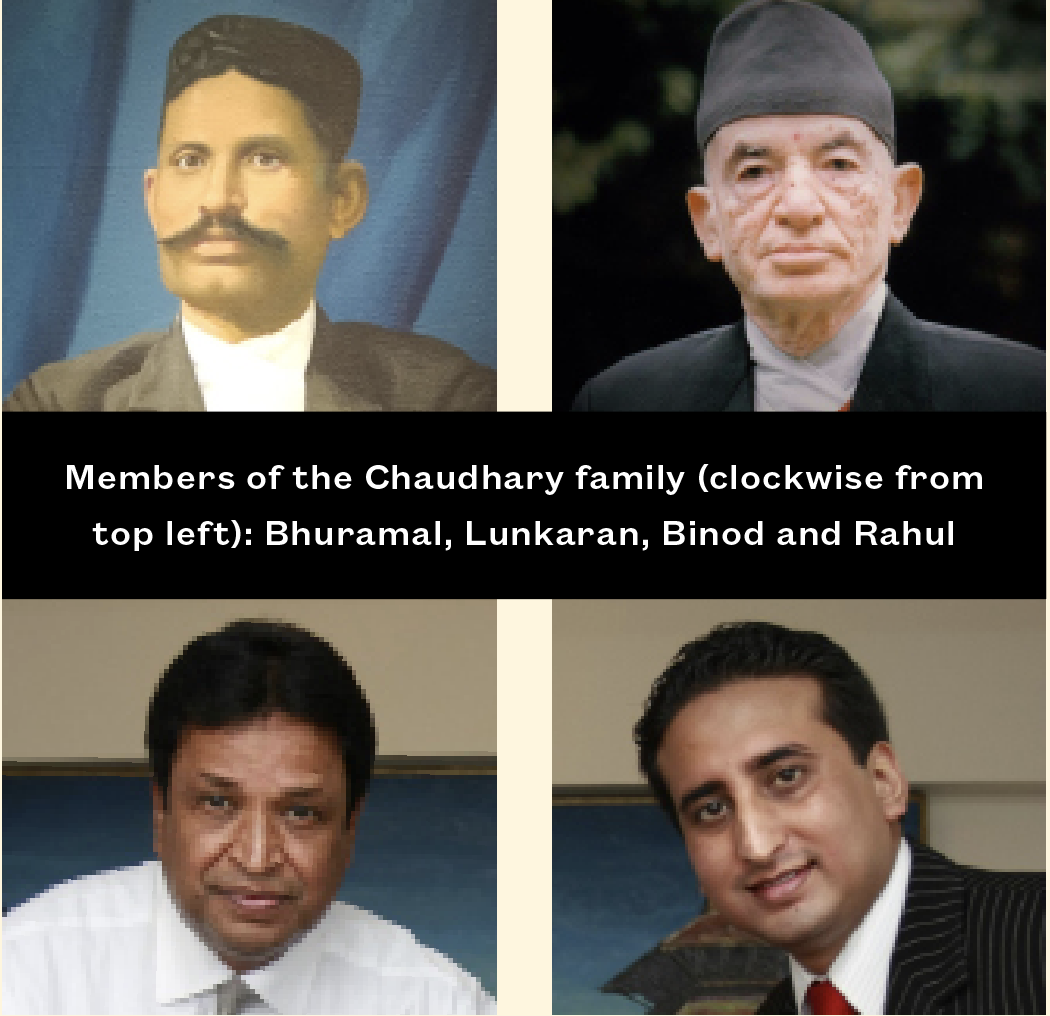
Binod Chaudhary, CG Corp’s chair, is recognised as Nepal’s wealthiest person and the country’s only Forbes-listed billionaire. He’s a global player in FMCG and the brains behind CG Corp’s best-selling brand Wai Wai – instant noodles from Thailand, that have earned him the epithet ‘Noodle King’. He also serves as chair of The Farm, while his son, Rahul, is managing director of the conglomerate and CEO of CG Hospitality
CG Corp’s roots go back to the late 19th century when Binod’s grandfather, Bhuramal, migrated to Nepal from Rajasthan and started a textile business selling clothes to royalty. He went on to create the country’s first formally registered clothing company.
Binod’s father, Lunkaran, built on this business and also established international trading houses and a construction company. He set up CG Corp in 1935 and his most successful venture was Arun Emporium, a retail store he founded in 1968.
Read more from this issue of Spa Business magazine
View contents of Spa Business 2023 issue 2
Editor's letter: Feeling optimistic
Revenue is at an all-time high and democratic wellness is bubbling under. It’s an exciting time for spas, says Katie Barnes
Spa People: Taichi Kuma
The son of celebrated architect Kengo Kuma designs a striking shell-like sauna in Japan
Spa People: Ana Ramirez
On her plans to roll out Ancestral Handmade, her regenerative wellness hotel concept, across South America – starting in Colombia
Spa People: Daniel Golby
On ESPA Life's debut in Doha and the markets he has his eyes set on for future expansion
News report: Milestone moment
US spa industry revenue exceeds the US$20bn mark according to ISPA's latest Big Five statistics
Sponsored: MyBlend: A new vision of beauty
Clarins has elevated its myBlend brand with new tech and formulations, as well as forging powerful alliances with global spa partners
Sponsored: Gharieni: Mind expansion
With the quest for better mental health growing ever stronger in the wake of the global pandemic, we ask Gharieni CEO Sammy Gharieni how the company’s wellness technologies are helping spas to meet this consumer demand
Top team: Hilton
Sleep, fitness and new spa concepts are top of the list as Hilton looks to deliver wellness across its 7,000 properties
Thermal spa: The heat is on
With 50 hot springs projects underway, the US is looking to establish itself as a thermal spa destination. Jane Kitchen takes a closer look
Le Atelier by C.O.D.E. doesn't offer a standard bespoke service, it provides a highly
customised approach to designing massage beds and loungers in high-end wellness
environments. [more...]
+ More featured suppliers
COMPANY PROFILES
marocMaroc
Since its creation in 2007, MarocMaroc has invited the world to explore Moroccan beauty through a u [more...]
Power Plate
Power Plate is owned, manufactured and distributed by Northbrook, Ill.-based Performance Health Syst [more...]
Is it really possible to roll out destination spas successfully? The CEO of
CG Hospitality, which owns The Farm at San Benito in the Philippines,
passionately believes so and tells Katie Barnes why he’s taking the brand
to Nepal and Jordan, with India, Phuket and Portugal next on the list
The Farm sits in 52 hectares of lush green jungle / The Farm at San Benito
When the pandemic forced hotels around the world to shut overnight, The Farm at San Benito in the Philippines was still running at 90 per cent occupancy and generating close to US$800 (€730, £643) average spend per guest. The 60-key wellness destination, 90 minutes from Manila, is blessed with 52 hectares of lush green jungle, majestic mountain views and pure fresh air and quickly converted to a health centre where people could go for COVID tests, stay in quarantine or recover post-virus.
“We have 150 properties in our portfolio and The Farm outperformed all of them consistently during COVID,” says Rahul Chaudhary, CEO of The Farm’s parent company CG Hospitality Holdings. “People couldn’t leave the Philippines for two years and we had guests who took rooms for that entire time.”
This outside-the-box thinking is typical of The Farm. New programmes from the holistic medical wellness resort are nearly always the first to market and reliably on-point – Happiness, Long COVID Recovery, Wellness Workations, Senior Wellness and Holistic Cancer Care to name a few. Its integrative medical doctors specialise in preventative, lifestyle, functional, naturopathic and holistic medicine and are supported by a team of spa therapists, sound healers, acupuncturists, yoga teachers, living food chefs, nutritionists, fitness coaches, physiotherapists and nurses. It’s in the “business of caring and healing”, driven by helping people to achieve optimum wellbeing.
Now embarking on an international rollout, it’s no surprise that the destinations The Farm is coming to won’t be your usual locales either. Miraaya Wellness & Golf Retreat, a boutique property ‘inspired by The Farm’ is currently in a soft opening phase in Nepal, while a second fully-branded site in Jordan is due to debut next year.
So where does this innovation come from and what further surprises can we expect? Chaudhary shares his vision with Spa Business.
Tell us about your new wellness outpost in Nepal Miraaya Wellness & Golf Resort is in a soft opening phase. Once fully complete later this year, it will have 24 villas and suites centred around a golf course as well as a wellness spa and medically supervised programmes. It draws on The Farm’s DNA, ethos and wellness pillars in both its concept and design, however, it won’t carry The Farm’s name because it’s much smaller and we can’t get all the offerings there. Why Nepal? Because it’s in our backyard – I was born and raised there – but also because it has a very spiritual, mystical side. The home of Mount Everest, it’s a very scenic country and it’s also the birthplace of Siddhartha Gautama, the founder of Buddhism.
Why have you chosen Jordan for The Farm’s international debut? No one would think of Jordan, just like they wouldn’t think of Nepal. But we feel there’s so much about the surrounding environment – the healing minerals from the Dead Sea, the Red Sea, natural hot springs and the spectacular sightings of Petra and Aqaba – that we can tap into to create something unique. We want to put it on the map. It’s not your busy Dubai, Doha or Saudi, but do you really think people will go to these places to be in a wellness resort? Location is first and foremost, from there everything else flows.
Destination spas are notoriously difficult to roll out. How will you succeed where others haven’t? We’ll never be able to replicate The Farm 100 per cent, but it will be our foundation. The medical, wellness and spa offering will be the same but we’ll also customise it based on location.
We’ll tap into wellness traditions such as the Nabatean treatment which combines hydrotherapy and balneology with mineral wraps and argan and oud oil to treat chronic lifestyle illnesses. The food will be inspired by our farm-to-table concept and include 80 per cent of these dishes. But we’ll also use organically grown ingredients which are endemic to the country.
As a nation that’s known for its exceptional heartfelt service and genuine care, we will also provide our Filipino touch. Initially, our skeleton staff – including therapists and nurses – will come from The Philippines to help get all the plans in place and then train locals.
Why is now the right time to expand? Plans for more medical wellness resorts were well underway before COVID, but the pandemic has affirmed that this is absolutely the right move. Hospitality has completely changed. Guests are more health conscious, they crave mental and emotional peace. And spirituality. This is exactly what The Farm offers and we want to take this all over the world.
Where else will we see The Farm in the future? In the next 10 years, we want to have one in all world regions. India is a very important market. It’s going to have a population of 1.6 billion in the next two years. The majority of spenders there are the middle class, but they travel to places like Lanserhof, Palace Merano or Vivamayr for wellness so there’s a gap for something homegrown.
We’re assigned to do one in Phuket and are considering another in Portugal.
What’s pushing you to choose lesser-known destinations? The roots of CG Corp date back 150 years and across four generations of my family (see p45). It was born out of a community in Rajasthan which is known for its innovation so I guess it’s in my blood. Today, CG Corp has 15 verticals and apart from one company, the Nabil Bank in Nepal, we’re still privately held.
Although I went to university in Miami and completed a development programme at Cornell, most of my learning has come from my father – what I refer to as ‘the Chaudhary school of hospitality’! He taught me to think outside the box in difficult times and there’s also been a lot of trial by error. My first acquisition was of a hotel in New York when I was still in college. I closed the deal but made all the mistakes. It was a big learning curve for me and an expensive one for my father.
What drew you to hospitality over CG Corp’s other divisions? Coming from a family business, one would expect me to get involved somehow, but my father gave me the option to do something else and said ‘Whatever you decide it’s up to you, so long as you’re the best at it’. However, hospitality ignited something in me and I love the business. It’s our fastest-growing vertical and is worth close to US$0.5bn. Today we have 150 hotels in 12 countries and more than 8,000 keys, but by 2025 the portfolio is expected to grow to more than 200 hotels and 10,000 keys. I would say that we are one of the most diversified and quickest-growing hospitality groups in this part of the world.
How important are spas to your portfolio? Usage is minimal in business hotels, but in resorts, they’re the biggest attraction because people go there to relax. They bring in massive revenues because you can charge huge premiums when it comes to spas.
How valuable is The Farm to CG Hospitality? It’s one of our key assets because we own and operate it. It’s the face of our business and it’s one of the reasons that we have an identity in the hospitality world.
The success of any hotel can be judged on the level of reinvestment and since taking over The Farm in 2018 we’ve grown it from 30 to 60 keys. Not only that, we’ve expanded the medical facility and our F&B offering. We’re also developing 17 wellness real estate residences which are opening in December and we’ve already sold half of these just by virtue of our brand.
Who are your guests and what do they come for? They come from around the world and visit for various reasons – whether it’s solo travellers on medically supervised programmes, couples on romantic getaways, families looking for fun and transformation or corporate guests on a wellness ‘workation’.
Our most popular packages are our Holistic Detox Cleanse lasting five to seven days and our Weight Management, Diabetes Prevention & Heart Health Programme which ranges from seven to 31 days.
What does wellness mean to you? Unfortunately, the terminology has become diluted and is everywhere – a deep tissue massage in a day spa, a diet programme in an urban centre. To me, it’s not wellness unless it’s an holistic experience that uplifts your life – where food, healthy lifestyle choices and mental and spiritual wellbeing come together. The Farm embodies this and that’s why we think this is a brand that we can take all over the world.
I’m an avid squash player and follow many components of wellness. I try to visit The Farm two to four times a year to reinvent myself but inevitably get pulled into other things. So, I wouldn’t say I practice it totally. But ask me if I believe in it then the answer is yes, 100 per cent.
What keeps you motivated? Inspires you? I’m driven by profit, sure. But there’s also beta satisfaction. Hospitality is a difficult business and creating something with as much attention to detail as The Farm doesn’t happen overnight. So when our team does get appreciation – from journalists or by making a difference in someone’s life – it motivates me to keep making improvements. And knowing that it’s recognised around the world, is the cherry on top.
Four generations of entrepreneurs
photos: The Farm at San Benito
Based in Dubai, with satellite centres in Singapore and Nepal, CG Hospitality Holdings has more than 150 hotels, resorts, safaris and residences across 12 countries and 8,000 keys in its portfolio. Partnering with high-end hospitality brands such as Taj, Fairmont and Radisson, it owns 40 per cent of the properties and operates the remaining 60 per cent. In 2018, it became a majority shareholder of wellness destination The Farm at San Benito in the Philippines.
The company is one of 15 verticals of the Chaudhary Group Corporation Global (CG Corp), a multinational conglomerate with interests in financial services (it has a controlling stake in Nepal’s Nabil Bank), fast-moving consumer goods (FMCG), retail food, telecoms and education sectors
Binod Chaudhary, CG Corp’s chair, is recognised as Nepal’s wealthiest person and the country’s only Forbes-listed billionaire. He’s a global player in FMCG and the brains behind CG Corp’s best-selling brand Wai Wai – instant noodles from Thailand, that have earned him the epithet ‘Noodle King’. He also serves as chair of The Farm, while his son, Rahul, is managing director of the conglomerate and CEO of CG Hospitality
CG Corp’s roots go back to the late 19th century when Binod’s grandfather, Bhuramal, migrated to Nepal from Rajasthan and started a textile business selling clothes to royalty. He went on to create the country’s first formally registered clothing company.
Binod’s father, Lunkaran, built on this business and also established international trading houses and a construction company. He set up CG Corp in 1935 and his most successful venture was Arun Emporium, a retail store he founded in 1968.
Read more from this issue of Spa Business magazine
View contents of Spa Business 2023 issue 2
Editor's letter: Feeling optimistic
Revenue is at an all-time high and democratic wellness is bubbling under. It’s an exciting time for spas, says Katie Barnes
Spa People: Taichi Kuma
The son of celebrated architect Kengo Kuma designs a striking shell-like sauna in Japan
Spa People: Ana Ramirez
On her plans to roll out Ancestral Handmade, her regenerative wellness hotel concept, across South America – starting in Colombia
Spa People: Daniel Golby
On ESPA Life's debut in Doha and the markets he has his eyes set on for future expansion
News report: Milestone moment
US spa industry revenue exceeds the US$20bn mark according to ISPA's latest Big Five statistics
Sponsored: MyBlend: A new vision of beauty
Clarins has elevated its myBlend brand with new tech and formulations, as well as forging powerful alliances with global spa partners
Sponsored: Gharieni: Mind expansion
With the quest for better mental health growing ever stronger in the wake of the global pandemic, we ask Gharieni CEO Sammy Gharieni how the company’s wellness technologies are helping spas to meet this consumer demand
Top team: Hilton
Sleep, fitness and new spa concepts are top of the list as Hilton looks to deliver wellness across its 7,000 properties
Thermal spa: The heat is on
With 50 hot springs projects underway, the US is looking to establish itself as a thermal spa destination. Jane Kitchen takes a closer look
Four Seasons Resort The Nam Hai in Hoi An, Vietnam, has put together a Global Wellness Day
(GWD) agenda with activations rooted in nature and shaped by four pillars of Joy – in
alignment with the day’s theme #JoyMagenta.
The Global Wellness Summit (GWS) will celebrate its 20th anniversary at the 2026 event in
Phuket, Thailand, later this year with the theme: The Science, Art and Soul of Wellness.
Auko, an all-inclusive development, is opening in Phong Nha in Vietnam in Q3 2026, with a
series of 30 tented eco-lodges and wellness hospitality operations by Lumina Wellbeing.
Therme Manchester’s 28-acre development, which will include interconnected glass pavilions
that measure 65,000sq m, will be the largest bathing and wellbeing attraction in the world once
complete, according to prof David Russell, CEO of Therme UK.
Naples Beach Club, a Four Seasons Resort, has opened a 2,800sq m spa called The Sanctuary,
with the design and concept inspired by the Native American people that populated Florida’s
Southwest coast – the Calusa.
Swire Hotels’ luxury hospitality brand Upper House has revealed it will roll out its two-day
House of Healing retreats at its three hotels in Hong Kong, Chengdu and Shanghai.
LVMH-owned beauty house Guerlain will launch up to five spas with partners a year as part of
its plan to expand globally, according to the brand’s international spa and wellness director,
Diane Davody.
A new global study by Kevin Kelly and Peter Yesawich, called WELLSurvey 2.0, has revealed
more than half of consumers in the UK, US and Germany would not choose numerous high-
profile wellness resort brands for a future trip.
Luxury hospitality and wellness pioneer Jeremy McCarthy has launched Leisure Alchemy, a
digital platform that will provide professionals with strategic guidance on how to build
transformational leisure experiences that drive profit.
Le Atelier by C.O.D.E. doesn't offer a standard bespoke service, it provides a highly
customised approach to designing massage beds and loungers in high-end wellness
environments. [more...]
+ More featured suppliers
COMPANY PROFILES
marocMaroc Since its creation in 2007, MarocMaroc has invited the world to explore Moroccan beauty through a u [more...]