Yes! Send me the FREE digital editions of Spa Business and Spa Business insider magazines and the FREE weekly Spa Business and Spa Business insider ezines and breaking news alerts!
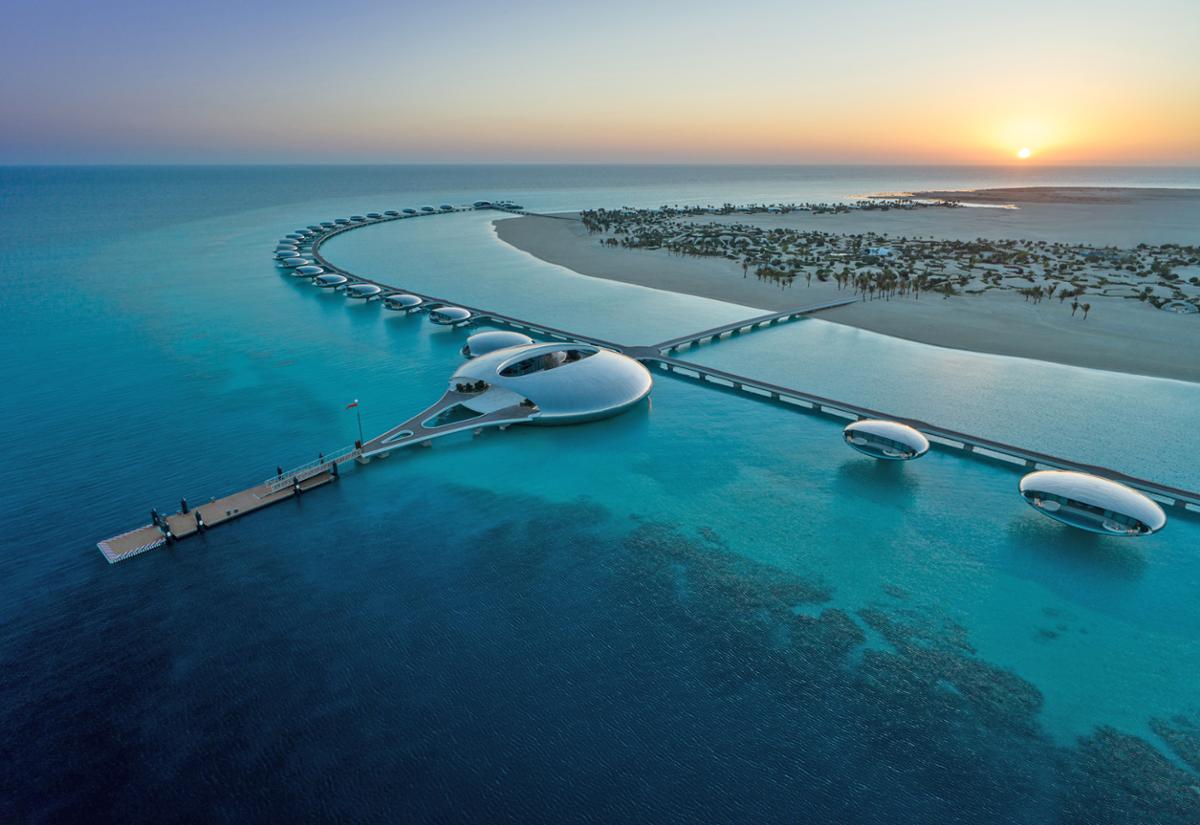
Saudi Arabia’s wellness economy ranks 34th out of 218 countries / photo: red sea global
Fresh data from the Global Wellness Institute (GWI) reveals two rapidly growing wellness economies – the Maldives and Saudi Arabia – which both owe much of their success to wellness tourism.
The countries are the latest focus of the GWI’s Geography of Wellness series that provide a segmented, deep dive into the US$830 billion (€796.2 billion, £659.7 billion) global wellness economy.
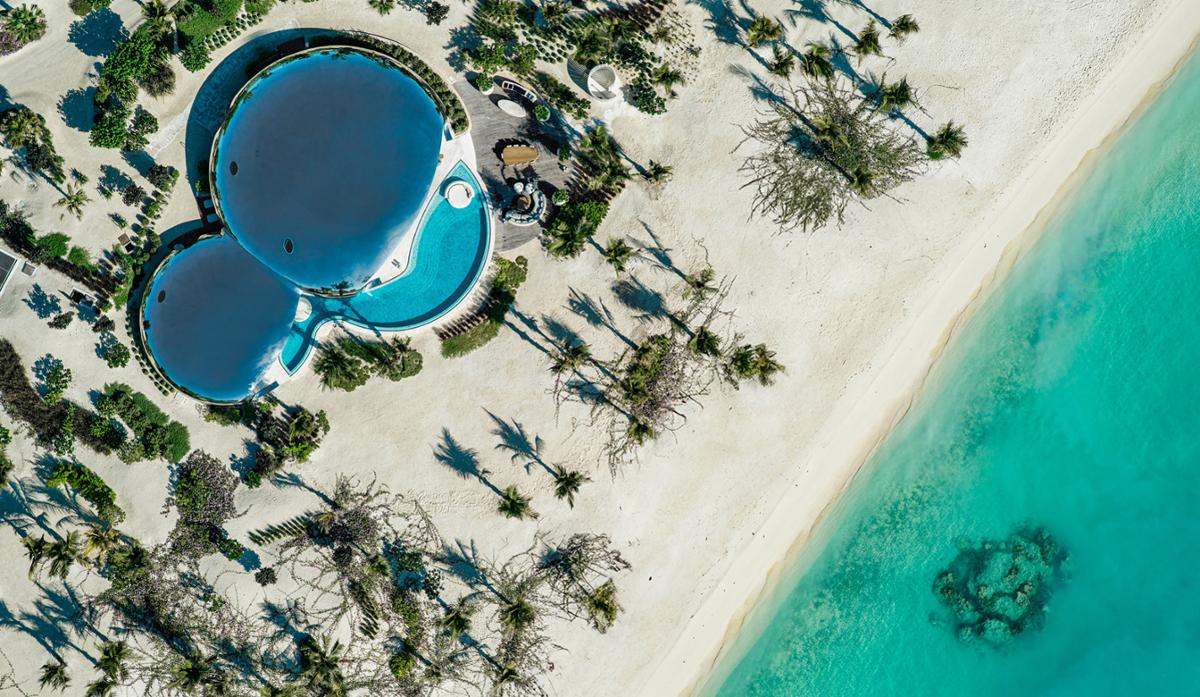
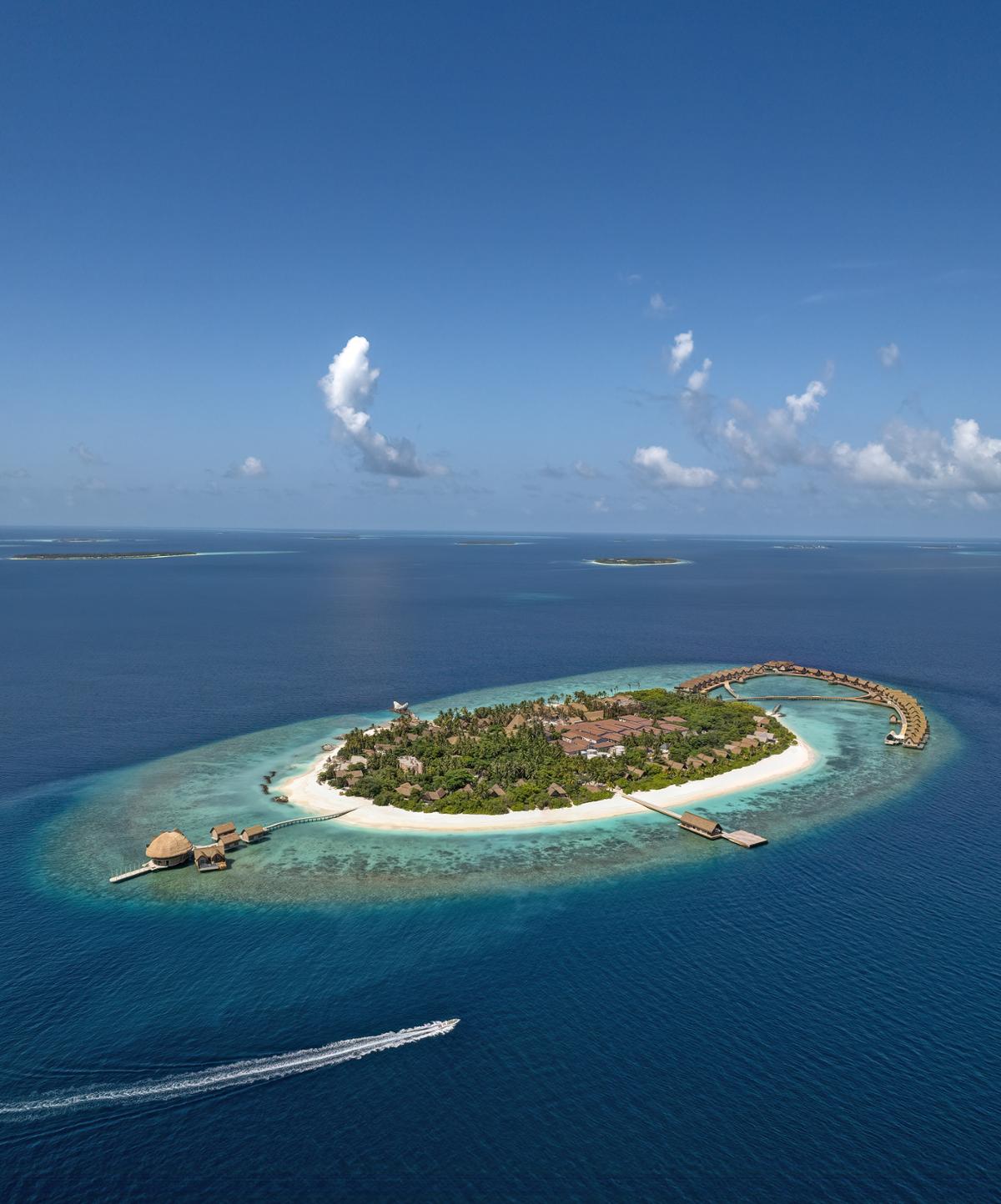
The Maldives The GWI’s latest report dissecting the Maldives’ US$1.6 billion (€1.57 billion, £1.3 billion) wellness economy sees the island nation rank 113th out of the 218 countries it assesses. An impressive position, considering it’s one of the smallest countries in the world.
In 2023 the Maldives’ wellness market was dominated by two major segments. The first, wellness tourism, is valued at US$1 billion (€959 million, £795 million) after a significant annual growth rate of 35.4 per cent from 2022 to 2023.
Second is the spa sector, valued at US$448 million (€429.8 million, £356.1 million), with a striking 63.7 per cent growth rate over the same period.
The country’s wellness culture is marked by a focus on nature-centred wellness experiences and Dhivehi beys, the Maldivian ancient plant-based healing tradition.
Saudi Arabia In another new report, the GWI places Saudi Arabia’s wellness economy at US$19.8 billion (€18.99 billion, £15.74 billion), ranking it as the world’s 34th largest wellness market. From 2019 to 2022, its wellness market grew by 15.79 per cent.
“Saudi Arabia has not only rebounded from the pandemic downturn but has surpassed its pre-pandemic levels,” says Susie Ellis, GWI chair and CEO. She explains that this is mostly due to Vision 2030, the kingdom’s plan to diversify its economy and boost the health of its citizens, which is prioritising investments in wellness tourism.
While wellness tourism is ranked fifth out of Saudi Arabia’s 11 wellness markets, valued at US$500 million (€479.7 million, £397.4 million), it grew by 66 per cent from 2020 to 2022. In comparison, its spa market increased by 35.6 per cent.
Indeed, in 2024, the kingdom surpassed its 100 million tourist milestone, seven years ahead of schedule. And the appetite for high-end wellness in the region remains strong as developers forge ahead with luxury giga-projects including The Red Sea, NEOM and Amaala, all of which incorporate wellness as a key pillar (see www.spabusiness.com/saudi).
Compare and contrast Although the Maldives and Saudi Arabia approach wellness tourism differently – one relying on its natural assets and healing traditions, the other embedding wellness into gigantic infrastructure projects – they highlight a growing trend: travellers are prioritising wellbeing.
Both markets reflect the global shift towards health-conscious travel.
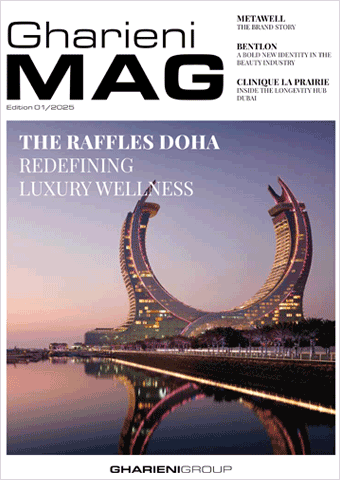
Read more from this issue of Spa Business magazine
View contents of Spa Business 2025 issue 1
Editor's letter: Auto spas
Fully automated, self-service spas are set to enter the market, presenting a disruptive opportunity for investors and operators
Spa People: Christian Louboutin
The fashion designer teams up with his personal trainer to create a Brain Edit retreat at his hotel in Portugal
Spa People: Julien Alfred
Exercise, endurance and resilience are the focus of a programme being led by Olympic 100m winner Julien Alfred at BodyHoliday in St Lucia
News report: Emerging economies
Two fresh GWI reports highlight the potential of the wellness markets in the Maldives and Saudi Arabia
Interview: Paul Hawco
Katie Barnes talks to the man heading up wellbeing at Banyan Group as it prepares to open its 100th resort and reports a 16 per cent rise in revenue
Wellness design: Design of the times
Sixteen experts share their insights on how wellness design can be used to create more impactful and profitable spas in a new white paper by Accor
Opinion: High leverage learning
What three skills do people need to master to future-proof their spa careers? Jeremy McCarthy reports
Spa tourism: Hot on the trail
A famous pilgrimage route and natural hot springs are being combined in an innovative tourism package in Spain
Opinion: Beacons of light
As cities in the US start to hire chief wellness officers, Mia Kyricos reveals what this means for our sector
Sponsored: 111SKIN - Winning formulation
111SKIN’s spa/clinic concept is making waves globally – backed by a combination of medical expertise, intuitive partner support and potent products
Product focus: AI and robot massage
Spas around the world are starting to offer AI massage. We highlight the different types of equipment coming to market
Menu engineering: At your service
A dedicated brain health facility at Kamalaya and a menopause package by actor Naomi Watts feature in our programming pages this issue
Finishing touch: Big business
Companies investing in workers’ happiness outperform other portfolios in major global stock markets, according to new research
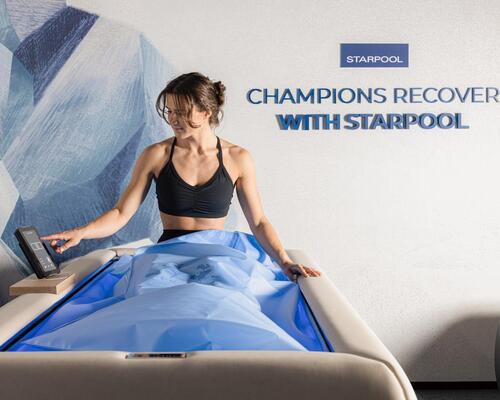
Contrast therapy, based on the alternation of hot and cold rituals, has become one of the
most valued practices in the fields of wellness and recovery. [more...]
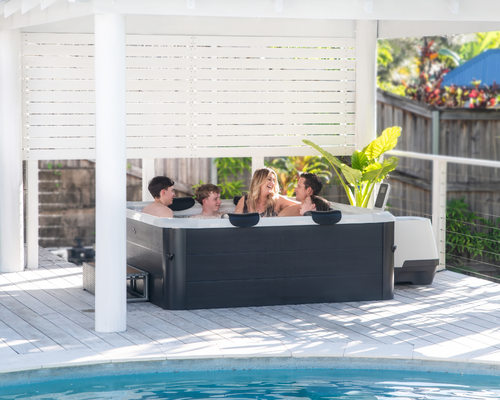
The MSpa Oslo series is a perennial bestseller in global markets. With innovative
engineering and premium performance, this completely portable spa line-up is expertly
designed to meet the needs of customers worldwide. [more...]
Saudi Arabia’s wellness economy ranks 34th out of 218 countries / photo: red sea global
Fresh data from the Global Wellness Institute (GWI) reveals two rapidly growing wellness economies – the Maldives and Saudi Arabia – which both owe much of their success to wellness tourism.
The countries are the latest focus of the GWI’s Geography of Wellness series that provide a segmented, deep dive into the US$830 billion (€796.2 billion, £659.7 billion) global wellness economy.
The Maldives The GWI’s latest report dissecting the Maldives’ US$1.6 billion (€1.57 billion, £1.3 billion) wellness economy sees the island nation rank 113th out of the 218 countries it assesses. An impressive position, considering it’s one of the smallest countries in the world.
In 2023 the Maldives’ wellness market was dominated by two major segments. The first, wellness tourism, is valued at US$1 billion (€959 million, £795 million) after a significant annual growth rate of 35.4 per cent from 2022 to 2023.
Second is the spa sector, valued at US$448 million (€429.8 million, £356.1 million), with a striking 63.7 per cent growth rate over the same period.
The country’s wellness culture is marked by a focus on nature-centred wellness experiences and Dhivehi beys, the Maldivian ancient plant-based healing tradition.
Saudi Arabia In another new report, the GWI places Saudi Arabia’s wellness economy at US$19.8 billion (€18.99 billion, £15.74 billion), ranking it as the world’s 34th largest wellness market. From 2019 to 2022, its wellness market grew by 15.79 per cent.
“Saudi Arabia has not only rebounded from the pandemic downturn but has surpassed its pre-pandemic levels,” says Susie Ellis, GWI chair and CEO. She explains that this is mostly due to Vision 2030, the kingdom’s plan to diversify its economy and boost the health of its citizens, which is prioritising investments in wellness tourism.
While wellness tourism is ranked fifth out of Saudi Arabia’s 11 wellness markets, valued at US$500 million (€479.7 million, £397.4 million), it grew by 66 per cent from 2020 to 2022. In comparison, its spa market increased by 35.6 per cent.
Indeed, in 2024, the kingdom surpassed its 100 million tourist milestone, seven years ahead of schedule. And the appetite for high-end wellness in the region remains strong as developers forge ahead with luxury giga-projects including The Red Sea, NEOM and Amaala, all of which incorporate wellness as a key pillar (see www.spabusiness.com/saudi).
Compare and contrast Although the Maldives and Saudi Arabia approach wellness tourism differently – one relying on its natural assets and healing traditions, the other embedding wellness into gigantic infrastructure projects – they highlight a growing trend: travellers are prioritising wellbeing.
Both markets reflect the global shift towards health-conscious travel.
Read more from this issue of Spa Business magazine
View contents of Spa Business 2025 issue 1
Editor's letter: Auto spas
Fully automated, self-service spas are set to enter the market, presenting a disruptive opportunity for investors and operators
Spa People: Christian Louboutin
The fashion designer teams up with his personal trainer to create a Brain Edit retreat at his hotel in Portugal
Spa People: Julien Alfred
Exercise, endurance and resilience are the focus of a programme being led by Olympic 100m winner Julien Alfred at BodyHoliday in St Lucia
News report: Emerging economies
Two fresh GWI reports highlight the potential of the wellness markets in the Maldives and Saudi Arabia
Interview: Paul Hawco
Katie Barnes talks to the man heading up wellbeing at Banyan Group as it prepares to open its 100th resort and reports a 16 per cent rise in revenue
Wellness design: Design of the times
Sixteen experts share their insights on how wellness design can be used to create more impactful and profitable spas in a new white paper by Accor
Opinion: High leverage learning
What three skills do people need to master to future-proof their spa careers? Jeremy McCarthy reports
Spa tourism: Hot on the trail
A famous pilgrimage route and natural hot springs are being combined in an innovative tourism package in Spain
Opinion: Beacons of light
As cities in the US start to hire chief wellness officers, Mia Kyricos reveals what this means for our sector
Sponsored: 111SKIN - Winning formulation
111SKIN’s spa/clinic concept is making waves globally – backed by a combination of medical expertise, intuitive partner support and potent products
Product focus: AI and robot massage
Spas around the world are starting to offer AI massage. We highlight the different types of equipment coming to market
Menu engineering: At your service
A dedicated brain health facility at Kamalaya and a menopause package by actor Naomi Watts feature in our programming pages this issue
Finishing touch: Big business
Companies investing in workers’ happiness outperform other portfolios in major global stock markets, according to new research
The UK's four Chief Medical Officers have published a refreshed edition of Physical activity
guidelines: UK Chief Medical Officers' report, updating the evidence that underpins the nation's
physical activity recommendations and placing greater emphasis on strength, balance, reducing
sedentary behaviour and, for the first time, supporting people taking weight loss medications.
Anna Bjurstam has left her role as Wellness Pioneer at Six Senses Hotels and Resorts and
launched a new wellness, longevity and “consciousness consultancy” called Wahayla.
Fairmont Cheshire, The Mere, has opened today (10 July) in the Northwest of England with a
1,715sq m Fairmont Spa that has been designed using a ‘Wellness without Walls’ concept.
Wellness hotels generating less than US$1 million (€932,700, £785,200) – or 10 per cent of
total revenue from wellness and leisure – recorded the strongest RevPAR and TRevPAR growth
in 2025 across categories when compared with 2024, according to the latest Wellness Real
Estate Report by RLA Global, produced in partnership with P and L benchmarking firm HotStats.
Lefay Resorts, the portfolio of two luxury wellness properties in Italy, has added emotional
dance classes and group cold plunge sessions in response to market demand for social
connection.
Aditya Saluja, an industry leader in luxury wellness hospitality, has been
appointed as
commercial director of spa and wellness for the spa management division of
Minor Hotels,
MSpa International.
Preidlhof Luxury DolceVita Resort, a destination resort and spa in Naturno, South Tyrol in Italy,
will reveal a new spa in February 2027, which has been designed by wellness expert and
consultant Patrizia Bortolin.
Contrast therapy, based on the alternation of hot and cold rituals, has become one of the
most valued practices in the fields of wellness and recovery. [more...]
The MSpa Oslo series is a perennial bestseller in global markets. With innovative
engineering and premium performance, this completely portable spa line-up is expertly
designed to meet the needs of customers worldwide. [more...]