Super-agers in the Blue Zones may be able to enjoy a stress-free
daily tipple, but the latest stark warning on the link between alcohol
and cancer spells bad news for most people. How should the wellness
industry be responding? Julie Cramer canvasses opinions
Are spas missing an opportunity to educate people about the risks of drinking alcohol? / photo: shutterstock/24K-Production
For many years, the public health message around low to moderate alcohol intake has emphasised some of its benefits – such as the ‘heart-healthy’ polyphenols and ‘anti-ageing’ resveratrol in red wine.
But the announcement in January by the US surgeon general Vivek Murthy, that alcohol is now categorised as a Class 1 carcinogen, sitting alongside very unpleasant things like tobacco and asbestos, is a wake-up call.
The statistics are startling. In 2020, 741,300 cancer cases worldwide were attributable to alcohol consumption according to the International Agency for Research on Cancer, while the official report released by Murthy, Alcohol and Cancer Risk, highlights a link to at least seven types of cancer: mouth, throat, voice box, oesophagus, breast, liver and colon and rectum. As women metabolise alcohol differently from men, they face an even greater risk.
With wellness operators positioning themselves as places for preventative health, what steps should they be considering? Health clinics may be alcohol-free, but what about the many operators that offer indulgence, relaxation and socialisation? Should they still be serving alcohol in light of this news? And where does this leave brands that have positioned their offering around connotations of alcohol – from beer spas in Belgium to vinotherapy products?
Social wellness clubs such as Remedy Place and Virgin Active, which offer a buzz without the alcohol, may see a boost in custom. The news will also be welcomed by organisations specialising in cancer-friendly treatment guidance such as Wellness for Cancer and SATCC.
Kelly McCabe, CEO of Perci Health, a virtual care clinic for cancer sufferers says “Advice about healthy lifestyles, including alcohol reduction, is often missed in routine healthcare appointments and not discussed by oncologists, so there’s a missed opportunity that the spa industry could possibly support.”
So is this the right moment in time for our industry to step up and take a lead in education, support and programming to help people reduce or eliminate their alcohol intake and therefore their risk of cancer? We ask the experts…
Julie Bach
Chair, GWI Wellness for Cancer initiative
photo: Julie Bach
Start by assessing your organisation’s awareness of alcohol’s health effects. Understanding the evidence is essential to dispelling myths and making informed choices about consumption. The belief that wine is ‘heart healthy’, for example, has created a ‘health halo’ effect, leading many to overestimate its benefits and overlook its risks.
Begin by reducing stigma-related barriers to discussing alcohol. Place a simple warning on drink menus and explore healthy drink offerings.
Wellness workshops should include the topic of alcohol and be delivered by professionals. Be ready with local resources and tools to help those who want to change their habits. Personalised wellness plans can further empower people to be proactive.
While many wellness brands emphasise ‘wellness pillars’, few overtly address risk-increasing behaviours. This can be done in a non-judgemental, non-fear-based and fun way.
Spas could incorporate alcohol-related questions into assessments or consultations and initiate discussions. They could also provide refresher training to increase staff knowledge and on how to bring up the topic with guests.
Consider introducing a ‘Rethinking Drinking’ or ‘Dry January’ offer focused on alcohol awareness, behaviour change and tailored support.
While I don’t see alcohol being removed entirely from the spa menu, I can see a time when it’s available without emphasising its presence, a strategy already utilised at some resorts.
Cancer affects a significant portion of the population, with rates as high as 1 in 2 in some areas. As hospitals become overloaded, risk-reducing behaviours become central to addressing the issue. It’s a shared responsibility, not just the role of the healthcare industry, which primarily focuses on disease treatment.
Wellness facilities should play a role in education but focus on guidance rather than an expert-led, directive, or fear-based approach. Health coaching and motivational interviewing techniques enable guests to explore their choices. This approach promotes empowerment and encourages lasting, self-motivated changes instead of resistance.
Wellness facilities should play a role in education but focus on guidance rather than an expert-led, directive, or fear-based approach
Simone Gibertoni
CEO, Clinique La Prairie
photo: clinique la prairie
For decades, scientific studies have pointed to the harmful effects of alcohol – not just in cases of excessive consumption but even in small amounts.
The wellness industry should echo this message. It’s no longer just about discouraging excessive drinking. It’s about communicating the risks of alcohol at any level. For coherence and credibility, wellness and health clinics should avoid promoting the idea that ‘moderation’ makes alcohol safe.
A proactive approach would involve educating guests about the risks while reframing experiences to focus on healthier alternatives. We can play a pivotal role in reshaping perceptions around alcohol.
At Clinique La Prairie, we’ve long encouraged guests to reduce or eliminate alcohol as part of our approach to longevity. This is communicated through one-on-one discussions with doctors, personalised assessments and educational materials highlighting how alcohol undermines healing processes and impacts liver health.
In addition, we offer two important molecular tests. Firstly, a genetic assessment of alcohol metabolism – to measure the ability of an individual’s liver to process it, knowing that we all convert and eliminate alcohol differently. If this conversion is not efficient, the residuals of alcohol in the body are highly carcinogenic. And secondly, an epigenetic assessment of the impact of alcohol consumption on specific DNA methylation sites.
It would be a bold and positive step for wellness and health clinics to collectively stop offering alcohol. However, the first step could be not to showcase it on menus and in the spaces used by guests.
We do not serve alcohol in our clinic, restaurant or at any events we organise, setting a clear example of our commitment to longevity and wellness. Instead, we offer delicious, health-promoting alternatives that align with our mission.
For coherence and credibility, wellness and health clinics should avoid promoting the idea that ‘moderation’ makes alcohol safe
Damien Zouaoui
Co-founder, Oakwell Beer Spa
photo: Oakwell Beer Spa
The advice from the US surgeon general highlights the growing awareness around health and lifestyle choices, which is central to the wellness industry. Rather than signalling a dramatic shift, it encourages mindfulness – something wellness spaces have always promoted. The wellness industry isn’t about prescribing a one-size-fits-all approach but about creating environments that support informed personal choices. It’s about balance, self-awareness, and providing options that align with diverse health goals.
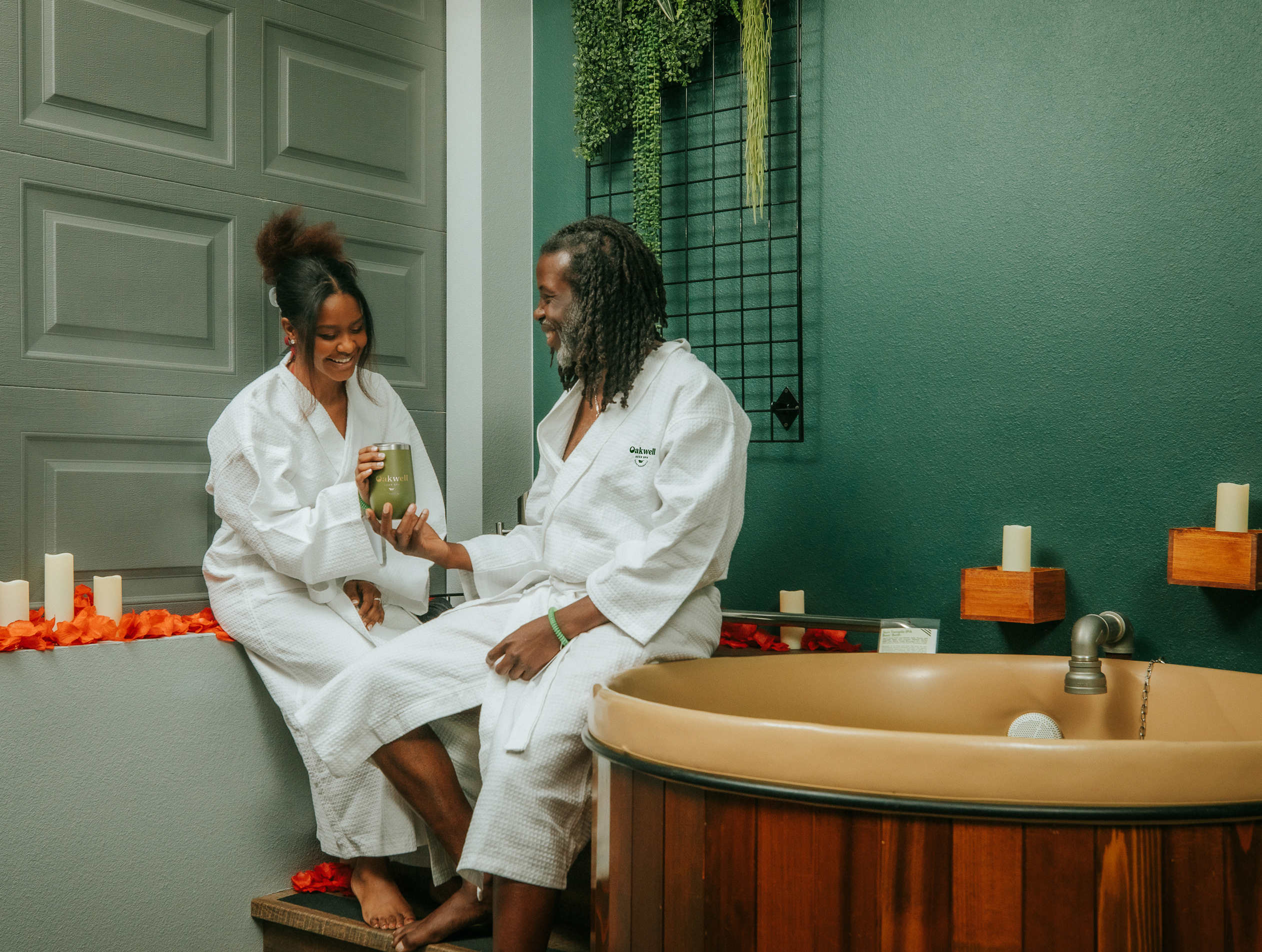
Of course, many spas offer indulgence packages that include alcohol, as well as spas like Oakwell that offer themed treatments based around the ingredients of beer, wine or champagne. Such themed spa experiences are often less about the alcohol itself and more about the sensory and cultural elements tied to certain ingredients.
Ingredients like hops and barley, for example, have well-documented benefits, including antioxidant and skin-soothing properties. Spas that focus on the wellness aspects of these ingredients – rather than the indulgence of alcohol – can continue to thrive. Over time, the industry may see more emphasis on the holistic benefits of these treatments, reinforcing that wellness and indulgence can coexist thoughtfully.
Striking the right balance comes from offering inclusive experiences that respect individual choices. Spas can create environments where wellness is the focus and enjoyment – whether that includes an alcoholic beverage or not – is part of the broader self-care experience. It’s not about taking a stance on alcohol consumption but about fostering spaces where guests feel empowered to make decisions that align with their wellbeing. The role of spas is to support personal wellness journeys, not to act as health authorities.
That said, we’re seeing the rise of the ‘sober curious’ movement, reflecting a broader cultural shift towards intentional living. People are seeking experiences that support their health goals without sacrificing social engagement. In wellness spaces, this translates to a growing demand for non-alcoholic options and experiences that feel inclusive. The key is flexibility – offering choices that allow guests to engage fully, whether they prefer traditional options or alcohol-free alternatives.
The role of spas is to support
personal wellness journeys, not
to act as health authorities
Themed spas like Oakwell typically focus on ingredients and culture rather than drinking alcohol
Christine Clinton
Founder, Clinton Cancer Care
photo: Christine Clinton
There should be an education programme about alcohol and its effects for everyone, including schools. People make their own decisions about whether or not they’ll use alcohol, but they need as much evidence as possible to make informed choices.
In resorts in some US states there are warning signs relating to alcohol use and purchases throughout (gift shops or restaurants). California in particular has strict laws about alcohol (and some foods) called Prop 65, requiring businesses to warn consumers about chemicals that may cause cancer. When teaching my cancer care programme in Napa Valley, I couldn’t believe how many warning signs I saw, including in the local pizzeria.
Here in Ireland recently, the government voted to add warning labels on all alcohol products sold in the Republic. From 2026 alcohol will have a label stating ‘There is a direct link between alcohol and fatal cancers’. Ireland is the first country in the world to do so, but I suspect many will follow.
As an industry, the spa and wellness sector cannot embrace functional medicine and longevity programmes and not address the dangers of alcohol.
A ‘Do You Know?’ campaign rolled out by associations in the spa industry would be impactful. Remember when the smoking ban came into effect, some people were horrified and felt their rights were being denied, but the science was very clear, second-hand smoke was affecting anyone around them. Then we saw the graphic images of people with cancer from smoking. It was successful because it changed minds through education.
If the information about alcohol and its health consequences are shared in a non-judgemental, informative way, then the guest will decide and the menu should reflect those choices. There are many healthy beverage options with zero sugars, adaptogens and nootropics. And more women’s retreats are exchanging alcohol for experiences, with everything from medicinal mushrooms to vibroacoustic services.
There are plenty of places to go to consume alcohol, but spas and wellness centres should remain true to their core values, focused on wellbeing, improving sleep and digestion, reducing stress and improving mood, where alcohol has no part to play.
We cannot embrace functional medicine and longevity programmes and not address the dangers of alcohol
Susan Harmsworth
Founder of SATCC and ESPA International
photo: Sue Harmsworth
For spas to initiate a discussion with guests about the cancer risks of alcohol, there first needs to be a much broader focus on how the wellness industry addresses the issue of cancer generally.
The number of people being diagnosed or surviving is only going to increase, so as an industry, it’s something we really have to tackle.
At SATCC (Standards Authority for Touch in Cancer Care) we educate spas on how to deal with guests who have cancer. There’s still a lot of fear out there and quite frankly many facilities find it easier to just avoid them.
There’s a persistent myth that you can’t touch people with cancer, but views from oncologists and medical evidence have changed on this and SATCC has created new industry-recognised standards for training and best practices.
Of course, it’s just as important for spas to play a part in educating all guests on cancer risk factors, including alcohol, as it is for them to offer treatments to those on their cancer journey.
Education on cancer prevention and non-recurrence should be part of wellness programmes, while guests with cancer also need healthy lifestyle advice at two key stages – on diagnosis and post-treatment. In particular, when people finish chemotherapy, that’s often when many fall off a cliff in terms of external help.
When it comes to the specific issue of alcohol, many wellness and longevity clinics understandably don’t offer it. However, it’s not so easy to ban alcohol in more social spa settings and I don’t think it’s up to the industry to become the alcohol police.
Clearly training all spa staff, from receptionists through to therapists and delivering education to guests on all aspects of a healthy lifestyle and well-documented risk factors such as alcohol should have a stronger focus going forward.
There should be a stronger focus on training all spa staff on all aspects of a healthy lifestyle and well-documented risk factors such as alcohol
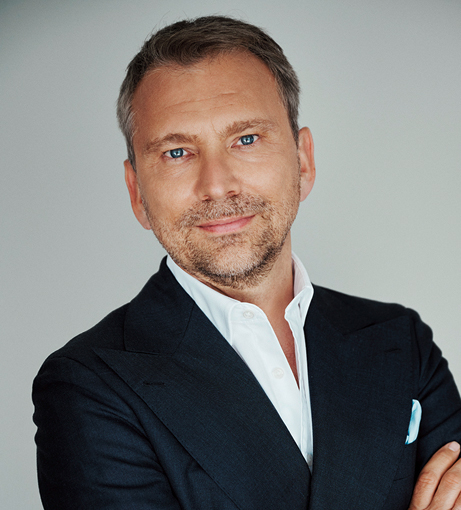
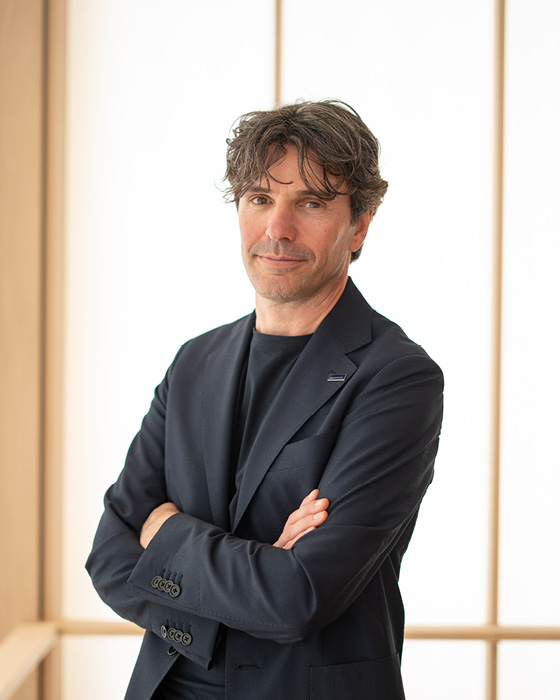
Dr Jan Stritzke
Medical director, Lanserhof Sylt
photo: Maximilian Koenig
The fact that alcohol increases the risk of tumours, even when drunk in very small quantities, is well-established. As an industry, we must play our part in dispelling the myth of the ‘healthy’ glass of red wine per day. Educating the public on this issue is crucial and the objective is clear: to encourage people to reduce their alcohol consumption.
Since the first Lanserhof opened in Austria in 1984, our facilities have been alcohol-free. As part of a stay, guests receive individual medical coaching and can attend medical lectures. During these sessions, they receive personalised guidance on numerous health and lifestyle risks, including the significant threat posed by alcohol.
We’ve repeatedly observed a tendency among guests to underestimate the health implications of alcohol and so our comprehensive approach involves laboratory tests for assessing liver health.
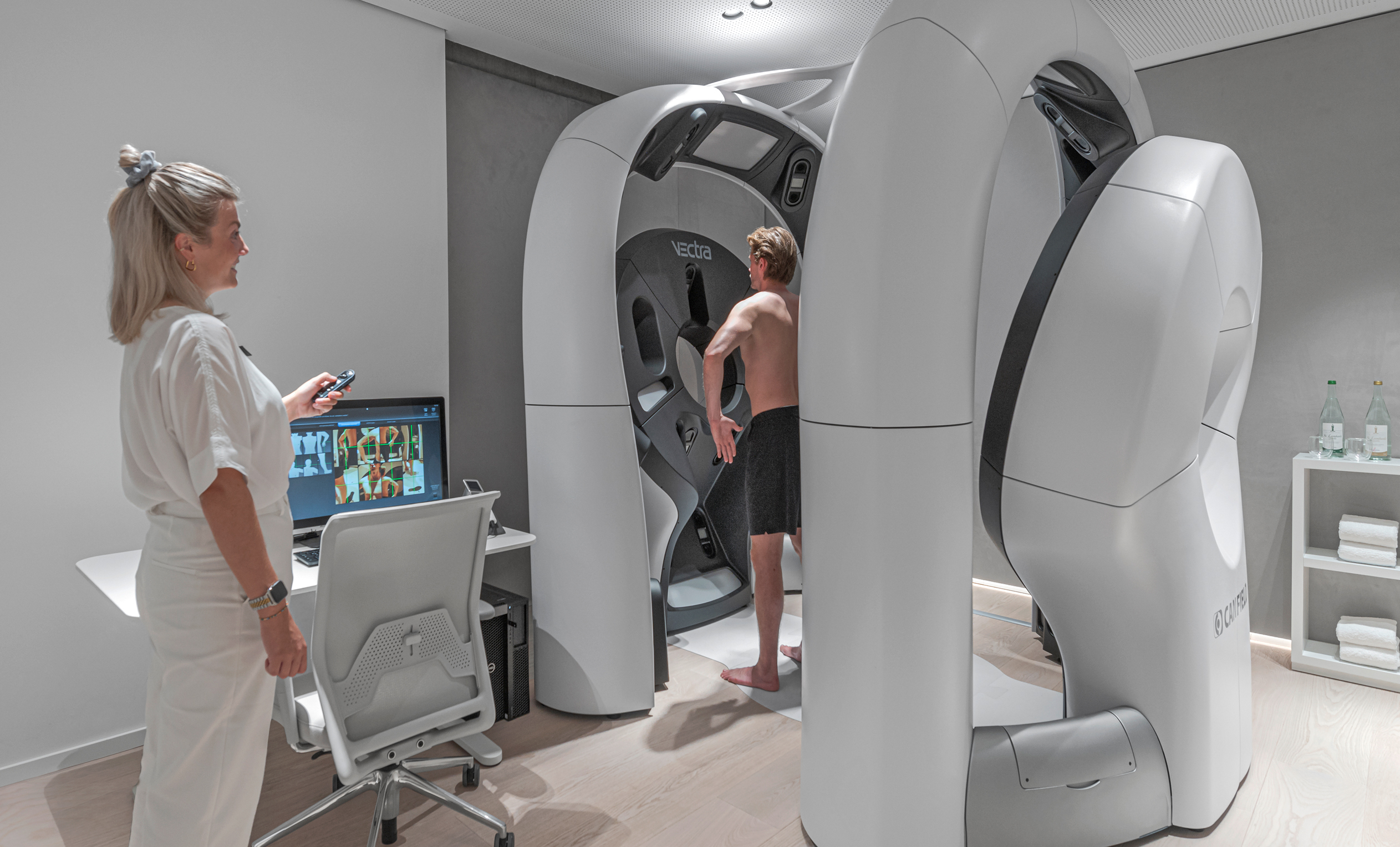
We use a standardised ultrasound procedure to measure the fat content and stiffness of the liver. This allows us to precisely determine the extent of liver damage caused by alcohol and, increasingly, by a diet high in sugar.
We carry these tests out before and after they’ve undergone our Lanserhof Cure and guests are often shocked by the extent of the measurable changes they witness in that time. A healthy diet and complete alcohol avoidance can show a positive effect after just a few days and many laboratory values improve during a stay here.
Specialist wellness and longevity clinics like Lanserhof are in a strong position to provide guests with the compelling personalised evidence they need to actively reduce their risk factors. As a result, many of our guests are motivated to reduce their alcohol consumption over the longer term because of these experiences.
Specialist clinics are in a strong position to provide the compelling personalised evidence people need to actively reduce alcohol consumption
Tests show cutting out alcohol can have a positive effect in just a few days
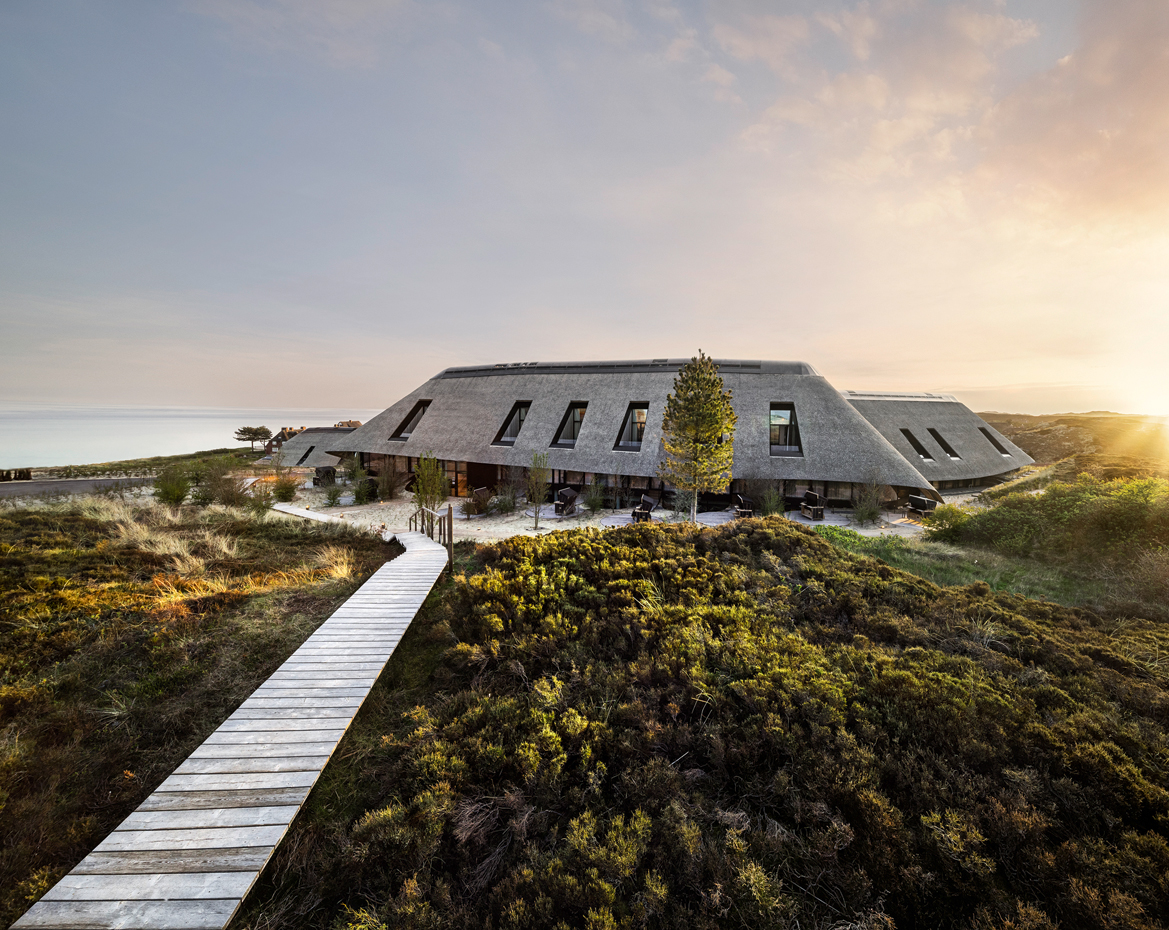
Lanserhof facilities have always been alcohol free / Alexander Haiden
Alcohol can cause cancer in four ways*
The US surgeon general’s 2025 report, Alcohol and Cancer Risk, outlines the following ways in which drinking alcohol can lead to cancer:
• Alcohol breaks down into acetaldehyde which damages DNA in multiple ways, causing an increased risk of cancer
• It induces oxidative stress, increasing the risk of cancer by damaging DNA, proteins and cells and increasing inflammation
• It alters levels of multiple hormones, including estrogen, which can increase breast cancer risk
• It leads to greater absorption of carcinogens, such as tobacco
*Source: Rumgay, H et al. Alcohol and Cancer: Epidemiology and Biological Mechanisms. Nutrients. 2021
Read more from this issue of Spa Business magazine
View contents of Spa Business 2025 issue 1
Editor's letter: Auto spas
Fully automated, self-service spas are set to enter the market, presenting a disruptive opportunity for investors and operators
Spa People: Christian Louboutin
The fashion designer teams up with his personal trainer to create a Brain Edit retreat at his hotel in Portugal
Spa People: Julien Alfred
Exercise, endurance and resilience are the focus of a programme being led by Olympic 100m winner Julien Alfred at BodyHoliday in St Lucia
News report: Emerging economies
Two fresh GWI reports highlight the potential of the wellness markets in the Maldives and Saudi Arabia
Interview: Paul Hawco
Katie Barnes talks to the man heading up wellbeing at Banyan Group as it prepares to open its 100th resort and reports a 16 per cent rise in revenue
Wellness design: Design of the times
Sixteen experts share their insights on how wellness design can be used to create more impactful and profitable spas in a new white paper by Accor
Opinion: High leverage learning
What three skills do people need to master to future-proof their spa careers? Jeremy McCarthy reports
Spa tourism: Hot on the trail
A famous pilgrimage route and natural hot springs are being combined in an innovative tourism package in Spain
Opinion: Beacons of light
As cities in the US start to hire chief wellness officers, Mia Kyricos reveals what this means for our sector
Sponsored: 111SKIN - Winning formulation
111SKIN’s spa/clinic concept is making waves globally – backed by a combination of medical expertise, intuitive partner support and potent products
Product focus: AI and robot massage
Spas around the world are starting to offer AI massage. We highlight the different types of equipment coming to market
Menu engineering: At your service
A dedicated brain health facility at Kamalaya and a menopause package by actor Naomi Watts feature in our programming pages this issue
Finishing touch: Big business
Companies investing in workers’ happiness outperform other portfolios in major global stock markets, according to new research
Contrast therapy, based on the alternation of hot and cold rituals, has become one of the
most valued practices in the fields of wellness and recovery. [more...]
+ More featured suppliers
COMPANY PROFILES
Starpool SRL
Founded in 1975 in the Italian Dolomites, Starpool is a company specialising in wellness, health and [more...]
Capsix
Founded in 2016 by Carole Eyssautier, PhD in AI, François Eyssautier, robotics engineer, and Stéphan [more...]
Super-agers in the Blue Zones may be able to enjoy a stress-free
daily tipple, but the latest stark warning on the link between alcohol
and cancer spells bad news for most people. How should the wellness
industry be responding? Julie Cramer canvasses opinions
Are spas missing an opportunity to educate people about the risks of drinking alcohol? / photo: shutterstock/24K-Production
For many years, the public health message around low to moderate alcohol intake has emphasised some of its benefits – such as the ‘heart-healthy’ polyphenols and ‘anti-ageing’ resveratrol in red wine.
But the announcement in January by the US surgeon general Vivek Murthy, that alcohol is now categorised as a Class 1 carcinogen, sitting alongside very unpleasant things like tobacco and asbestos, is a wake-up call.
The statistics are startling. In 2020, 741,300 cancer cases worldwide were attributable to alcohol consumption according to the International Agency for Research on Cancer, while the official report released by Murthy, Alcohol and Cancer Risk, highlights a link to at least seven types of cancer: mouth, throat, voice box, oesophagus, breast, liver and colon and rectum. As women metabolise alcohol differently from men, they face an even greater risk.
With wellness operators positioning themselves as places for preventative health, what steps should they be considering? Health clinics may be alcohol-free, but what about the many operators that offer indulgence, relaxation and socialisation? Should they still be serving alcohol in light of this news? And where does this leave brands that have positioned their offering around connotations of alcohol – from beer spas in Belgium to vinotherapy products?
Social wellness clubs such as Remedy Place and Virgin Active, which offer a buzz without the alcohol, may see a boost in custom. The news will also be welcomed by organisations specialising in cancer-friendly treatment guidance such as Wellness for Cancer and SATCC.
Kelly McCabe, CEO of Perci Health, a virtual care clinic for cancer sufferers says “Advice about healthy lifestyles, including alcohol reduction, is often missed in routine healthcare appointments and not discussed by oncologists, so there’s a missed opportunity that the spa industry could possibly support.”
So is this the right moment in time for our industry to step up and take a lead in education, support and programming to help people reduce or eliminate their alcohol intake and therefore their risk of cancer? We ask the experts…
Julie Bach
Chair, GWI Wellness for Cancer initiative
photo: Julie Bach
Start by assessing your organisation’s awareness of alcohol’s health effects. Understanding the evidence is essential to dispelling myths and making informed choices about consumption. The belief that wine is ‘heart healthy’, for example, has created a ‘health halo’ effect, leading many to overestimate its benefits and overlook its risks.
Begin by reducing stigma-related barriers to discussing alcohol. Place a simple warning on drink menus and explore healthy drink offerings.
Wellness workshops should include the topic of alcohol and be delivered by professionals. Be ready with local resources and tools to help those who want to change their habits. Personalised wellness plans can further empower people to be proactive.
While many wellness brands emphasise ‘wellness pillars’, few overtly address risk-increasing behaviours. This can be done in a non-judgemental, non-fear-based and fun way.
Spas could incorporate alcohol-related questions into assessments or consultations and initiate discussions. They could also provide refresher training to increase staff knowledge and on how to bring up the topic with guests.
Consider introducing a ‘Rethinking Drinking’ or ‘Dry January’ offer focused on alcohol awareness, behaviour change and tailored support.
While I don’t see alcohol being removed entirely from the spa menu, I can see a time when it’s available without emphasising its presence, a strategy already utilised at some resorts.
Cancer affects a significant portion of the population, with rates as high as 1 in 2 in some areas. As hospitals become overloaded, risk-reducing behaviours become central to addressing the issue. It’s a shared responsibility, not just the role of the healthcare industry, which primarily focuses on disease treatment.
Wellness facilities should play a role in education but focus on guidance rather than an expert-led, directive, or fear-based approach. Health coaching and motivational interviewing techniques enable guests to explore their choices. This approach promotes empowerment and encourages lasting, self-motivated changes instead of resistance.
Wellness facilities should play a role in education but focus on guidance rather than an expert-led, directive, or fear-based approach
Simone Gibertoni
CEO, Clinique La Prairie
photo: clinique la prairie
For decades, scientific studies have pointed to the harmful effects of alcohol – not just in cases of excessive consumption but even in small amounts.
The wellness industry should echo this message. It’s no longer just about discouraging excessive drinking. It’s about communicating the risks of alcohol at any level. For coherence and credibility, wellness and health clinics should avoid promoting the idea that ‘moderation’ makes alcohol safe.
A proactive approach would involve educating guests about the risks while reframing experiences to focus on healthier alternatives. We can play a pivotal role in reshaping perceptions around alcohol.
At Clinique La Prairie, we’ve long encouraged guests to reduce or eliminate alcohol as part of our approach to longevity. This is communicated through one-on-one discussions with doctors, personalised assessments and educational materials highlighting how alcohol undermines healing processes and impacts liver health.
In addition, we offer two important molecular tests. Firstly, a genetic assessment of alcohol metabolism – to measure the ability of an individual’s liver to process it, knowing that we all convert and eliminate alcohol differently. If this conversion is not efficient, the residuals of alcohol in the body are highly carcinogenic. And secondly, an epigenetic assessment of the impact of alcohol consumption on specific DNA methylation sites.
It would be a bold and positive step for wellness and health clinics to collectively stop offering alcohol. However, the first step could be not to showcase it on menus and in the spaces used by guests.
We do not serve alcohol in our clinic, restaurant or at any events we organise, setting a clear example of our commitment to longevity and wellness. Instead, we offer delicious, health-promoting alternatives that align with our mission.
For coherence and credibility, wellness and health clinics should avoid promoting the idea that ‘moderation’ makes alcohol safe
Damien Zouaoui
Co-founder, Oakwell Beer Spa
photo: Oakwell Beer Spa
The advice from the US surgeon general highlights the growing awareness around health and lifestyle choices, which is central to the wellness industry. Rather than signalling a dramatic shift, it encourages mindfulness – something wellness spaces have always promoted. The wellness industry isn’t about prescribing a one-size-fits-all approach but about creating environments that support informed personal choices. It’s about balance, self-awareness, and providing options that align with diverse health goals.
Of course, many spas offer indulgence packages that include alcohol, as well as spas like Oakwell that offer themed treatments based around the ingredients of beer, wine or champagne. Such themed spa experiences are often less about the alcohol itself and more about the sensory and cultural elements tied to certain ingredients.
Ingredients like hops and barley, for example, have well-documented benefits, including antioxidant and skin-soothing properties. Spas that focus on the wellness aspects of these ingredients – rather than the indulgence of alcohol – can continue to thrive. Over time, the industry may see more emphasis on the holistic benefits of these treatments, reinforcing that wellness and indulgence can coexist thoughtfully.
Striking the right balance comes from offering inclusive experiences that respect individual choices. Spas can create environments where wellness is the focus and enjoyment – whether that includes an alcoholic beverage or not – is part of the broader self-care experience. It’s not about taking a stance on alcohol consumption but about fostering spaces where guests feel empowered to make decisions that align with their wellbeing. The role of spas is to support personal wellness journeys, not to act as health authorities.
That said, we’re seeing the rise of the ‘sober curious’ movement, reflecting a broader cultural shift towards intentional living. People are seeking experiences that support their health goals without sacrificing social engagement. In wellness spaces, this translates to a growing demand for non-alcoholic options and experiences that feel inclusive. The key is flexibility – offering choices that allow guests to engage fully, whether they prefer traditional options or alcohol-free alternatives.
The role of spas is to support
personal wellness journeys, not
to act as health authorities
Themed spas like Oakwell typically focus on ingredients and culture rather than drinking alcohol
Christine Clinton
Founder, Clinton Cancer Care
photo: Christine Clinton
There should be an education programme about alcohol and its effects for everyone, including schools. People make their own decisions about whether or not they’ll use alcohol, but they need as much evidence as possible to make informed choices.
In resorts in some US states there are warning signs relating to alcohol use and purchases throughout (gift shops or restaurants). California in particular has strict laws about alcohol (and some foods) called Prop 65, requiring businesses to warn consumers about chemicals that may cause cancer. When teaching my cancer care programme in Napa Valley, I couldn’t believe how many warning signs I saw, including in the local pizzeria.
Here in Ireland recently, the government voted to add warning labels on all alcohol products sold in the Republic. From 2026 alcohol will have a label stating ‘There is a direct link between alcohol and fatal cancers’. Ireland is the first country in the world to do so, but I suspect many will follow.
As an industry, the spa and wellness sector cannot embrace functional medicine and longevity programmes and not address the dangers of alcohol.
A ‘Do You Know?’ campaign rolled out by associations in the spa industry would be impactful. Remember when the smoking ban came into effect, some people were horrified and felt their rights were being denied, but the science was very clear, second-hand smoke was affecting anyone around them. Then we saw the graphic images of people with cancer from smoking. It was successful because it changed minds through education.
If the information about alcohol and its health consequences are shared in a non-judgemental, informative way, then the guest will decide and the menu should reflect those choices. There are many healthy beverage options with zero sugars, adaptogens and nootropics. And more women’s retreats are exchanging alcohol for experiences, with everything from medicinal mushrooms to vibroacoustic services.
There are plenty of places to go to consume alcohol, but spas and wellness centres should remain true to their core values, focused on wellbeing, improving sleep and digestion, reducing stress and improving mood, where alcohol has no part to play.
We cannot embrace functional medicine and longevity programmes and not address the dangers of alcohol
Susan Harmsworth
Founder of SATCC and ESPA International
photo: Sue Harmsworth
For spas to initiate a discussion with guests about the cancer risks of alcohol, there first needs to be a much broader focus on how the wellness industry addresses the issue of cancer generally.
The number of people being diagnosed or surviving is only going to increase, so as an industry, it’s something we really have to tackle.
At SATCC (Standards Authority for Touch in Cancer Care) we educate spas on how to deal with guests who have cancer. There’s still a lot of fear out there and quite frankly many facilities find it easier to just avoid them.
There’s a persistent myth that you can’t touch people with cancer, but views from oncologists and medical evidence have changed on this and SATCC has created new industry-recognised standards for training and best practices.
Of course, it’s just as important for spas to play a part in educating all guests on cancer risk factors, including alcohol, as it is for them to offer treatments to those on their cancer journey.
Education on cancer prevention and non-recurrence should be part of wellness programmes, while guests with cancer also need healthy lifestyle advice at two key stages – on diagnosis and post-treatment. In particular, when people finish chemotherapy, that’s often when many fall off a cliff in terms of external help.
When it comes to the specific issue of alcohol, many wellness and longevity clinics understandably don’t offer it. However, it’s not so easy to ban alcohol in more social spa settings and I don’t think it’s up to the industry to become the alcohol police.
Clearly training all spa staff, from receptionists through to therapists and delivering education to guests on all aspects of a healthy lifestyle and well-documented risk factors such as alcohol should have a stronger focus going forward.
There should be a stronger focus on training all spa staff on all aspects of a healthy lifestyle and well-documented risk factors such as alcohol
Dr Jan Stritzke
Medical director, Lanserhof Sylt
photo: Maximilian Koenig
The fact that alcohol increases the risk of tumours, even when drunk in very small quantities, is well-established. As an industry, we must play our part in dispelling the myth of the ‘healthy’ glass of red wine per day. Educating the public on this issue is crucial and the objective is clear: to encourage people to reduce their alcohol consumption.
Since the first Lanserhof opened in Austria in 1984, our facilities have been alcohol-free. As part of a stay, guests receive individual medical coaching and can attend medical lectures. During these sessions, they receive personalised guidance on numerous health and lifestyle risks, including the significant threat posed by alcohol.
We’ve repeatedly observed a tendency among guests to underestimate the health implications of alcohol and so our comprehensive approach involves laboratory tests for assessing liver health.
We use a standardised ultrasound procedure to measure the fat content and stiffness of the liver. This allows us to precisely determine the extent of liver damage caused by alcohol and, increasingly, by a diet high in sugar.
We carry these tests out before and after they’ve undergone our Lanserhof Cure and guests are often shocked by the extent of the measurable changes they witness in that time. A healthy diet and complete alcohol avoidance can show a positive effect after just a few days and many laboratory values improve during a stay here.
Specialist wellness and longevity clinics like Lanserhof are in a strong position to provide guests with the compelling personalised evidence they need to actively reduce their risk factors. As a result, many of our guests are motivated to reduce their alcohol consumption over the longer term because of these experiences.
Specialist clinics are in a strong position to provide the compelling personalised evidence people need to actively reduce alcohol consumption
Tests show cutting out alcohol can have a positive effect in just a few days
Lanserhof facilities have always been alcohol free / Alexander Haiden
Alcohol can cause cancer in four ways*
The US surgeon general’s 2025 report, Alcohol and Cancer Risk, outlines the following ways in which drinking alcohol can lead to cancer:
• Alcohol breaks down into acetaldehyde which damages DNA in multiple ways, causing an increased risk of cancer
• It induces oxidative stress, increasing the risk of cancer by damaging DNA, proteins and cells and increasing inflammation
• It alters levels of multiple hormones, including estrogen, which can increase breast cancer risk
• It leads to greater absorption of carcinogens, such as tobacco
*Source: Rumgay, H et al. Alcohol and Cancer: Epidemiology and Biological Mechanisms. Nutrients. 2021
Read more from this issue of Spa Business magazine
View contents of Spa Business 2025 issue 1
Editor's letter: Auto spas
Fully automated, self-service spas are set to enter the market, presenting a disruptive opportunity for investors and operators
Spa People: Christian Louboutin
The fashion designer teams up with his personal trainer to create a Brain Edit retreat at his hotel in Portugal
Spa People: Julien Alfred
Exercise, endurance and resilience are the focus of a programme being led by Olympic 100m winner Julien Alfred at BodyHoliday in St Lucia
News report: Emerging economies
Two fresh GWI reports highlight the potential of the wellness markets in the Maldives and Saudi Arabia
Interview: Paul Hawco
Katie Barnes talks to the man heading up wellbeing at Banyan Group as it prepares to open its 100th resort and reports a 16 per cent rise in revenue
Wellness design: Design of the times
Sixteen experts share their insights on how wellness design can be used to create more impactful and profitable spas in a new white paper by Accor
Opinion: High leverage learning
What three skills do people need to master to future-proof their spa careers? Jeremy McCarthy reports
Spa tourism: Hot on the trail
A famous pilgrimage route and natural hot springs are being combined in an innovative tourism package in Spain
Opinion: Beacons of light
As cities in the US start to hire chief wellness officers, Mia Kyricos reveals what this means for our sector
Sponsored: 111SKIN - Winning formulation
111SKIN’s spa/clinic concept is making waves globally – backed by a combination of medical expertise, intuitive partner support and potent products
Product focus: AI and robot massage
Spas around the world are starting to offer AI massage. We highlight the different types of equipment coming to market
Menu engineering: At your service
A dedicated brain health facility at Kamalaya and a menopause package by actor Naomi Watts feature in our programming pages this issue
Finishing touch: Big business
Companies investing in workers’ happiness outperform other portfolios in major global stock markets, according to new research
Gran Hotel Taoro in northern Tenerife, Spain, has completed the final phase of its three-year
renovation with the debut of its Sandára Wellness Centre.
Hand and Stone Massage and Facial Spa, the spa business with more than 650 locations across
the US and Canada, has appointed franchise expert Carrie Walsh as CEO as the company plans
to expand.
Synergy – The Retreat Show, the global trade show for retreats, has launched a global research
initiative that will provide insights into the retreat sector from both consumer and industry
perspectives.
The Wellness Tourism Association (WTA) has published a non-regulatory global industry
framework designed to ensure the retreat market offers responsible experiences.
A new survey of UK and international spa practitioners shows that stress, burnout and
wellbeing concerns have caused one in three respondents to consider leaving the industry.
The UK's four Chief Medical Officers have published a refreshed edition of Physical activity
guidelines: UK Chief Medical Officers' report, updating the evidence that underpins the nation's
physical activity recommendations and placing greater emphasis on strength, balance, reducing
sedentary behaviour and, for the first time, supporting people taking weight loss medications.
Anna Bjurstam has left her role as Wellness Pioneer at Six Senses Hotels and Resorts and
launched a new wellness, longevity and “consciousness consultancy” called Wahayla.
Fairmont Cheshire, The Mere, has opened today (10 July) in the Northwest of England
with a
1,715sq m Fairmont Spa that has been designed using a ‘Wellness without Walls’
concept.
Contrast therapy, based on the alternation of hot and cold rituals, has become one of the
most valued practices in the fields of wellness and recovery. [more...]
+ More featured suppliers
COMPANY PROFILES
Starpool SRL Founded in 1975 in the Italian Dolomites, Starpool is a company specialising in wellness, health and [more...]