Yes! Send me the FREE digital editions of Spa Business and Spa Business insider magazines and the FREE weekly Spa Business and Spa Business insider ezines and breaking news alerts!
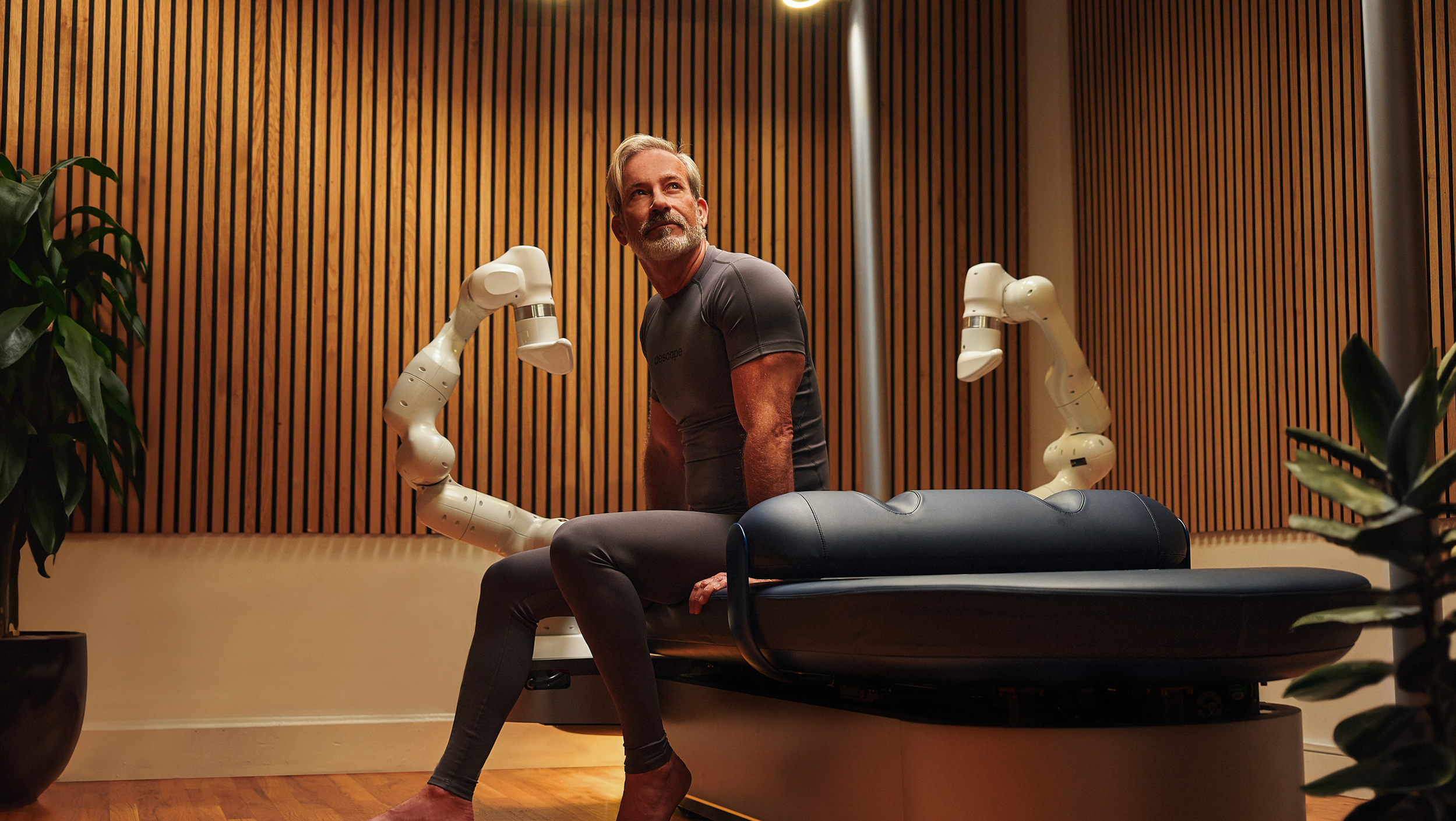
Ritz-Carlton and Equinox are already offering AI massages at their properties / photo: Aescape
Spa Business first predicted the arrival of massage robots in its annual Spa Foresight in 2014 (see www.spabusiness.com/foresight2014. Back then, the idea of a machine delivering a massage seemed like something you’d find in a sci-fi movie. Fast forward a decade and a number of companies around the world are engaged in bringing such products to market with high-end spas being some of the first customers.
It’s unlikely that these devices will ever be a match for skilled therapists and they should be deployed with care as there’s a risk of negatively altering consumers’ views of the services spas offer. However, they do offer a myriad of advantages.
They can ease the workload of therapists, avoiding burnout, help spas to navigate recruitment shortages and potentially work 24/7 to increase operating hours and maximise revenue. Non-spa-goers hesitant about traditional massages may be tempted by these services where clothes can be kept on, privacy is guaranteed and personal and religious preferences are respected.
But how much do these machines cost, what technology do they use and what types of treatments can they deliver? We find out more…
Aescape
Dan Burns, VP of partnerships, Aescape / photo: Aescape
in 2017, Aescape has been developed in collaboration with licensed therapists and industry leaders. It launched in US cities last year and has secured US$128 million (€117.4 million, £98.6 million) in funding so far. Clients include Utah’s Velære wellness community, 60 Equinox fitness clubs, Ritz-Carlton Bacara in California and Four Seasons in Orlando and Baltimore. It’s also aiming to operate internationally by the end of 2025.
Target market
We’re looking to partner with global leaders in hospitality, sports, corporate offices and luxury real estate.
How it works
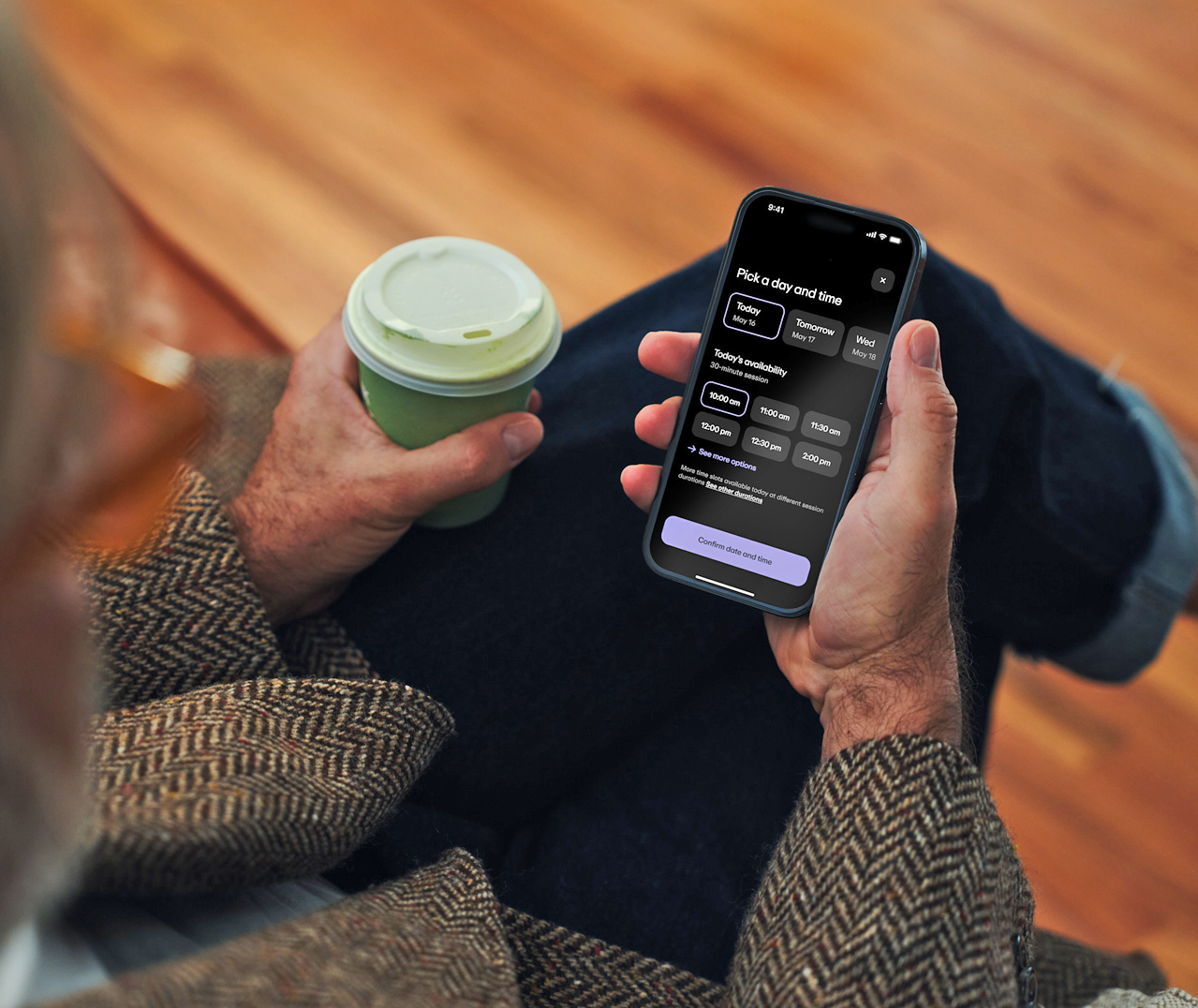
Using our booking app, you can browse locations and check availability. After booking, members receive session details via text and email.
Treatments begin with customers putting on a size-inclusive bodysuit with nothing underneath for optimal friction, they then lie on the table and are scanned by four overhead sensors. These sensors generate 1.2 million 3D data points about the body to help with precision, ensuring optimised pressure, technique, flow and customisation.
Two robotic arms are topped with Aerpoint ‘hands’ each featuring seven surfaces that can be adjusted for pressure and heated for added comfort as they move over the body.
Aescape’s two robotic
arms have been designed
to deliver double the
bodywork in half the time
How do you control and customise treatments?
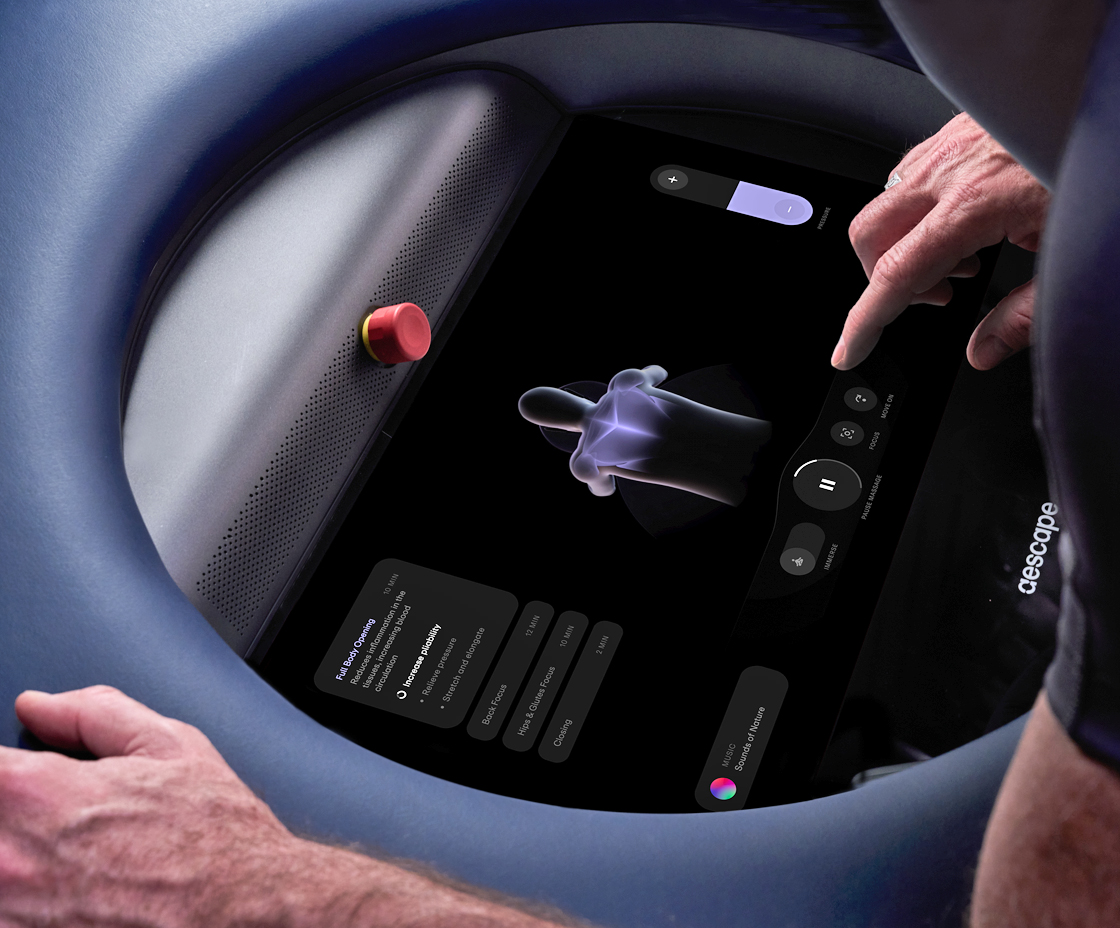
Users control the entire massage experience via an interactive touchscreen, situated below the face cradle. Using this, they can select targeted areas, pressure levels and even music preferences. The system remembers personal settings, allowing guests to continue their wellness routines across different locations.
Is a member of staff required?
Aescape is an entirely autonomous system but users can alert staff with a call button if necessary at all of our partner locations.
What treatments does it offer?
Our massage library is constantly expanding. Treatments range from 15 minutes (for those with hectic schedules) to longer, 60-minute recovery sessions. Each massage also focuses on a different part of the body – from upper, middle and lower back to glutes and hamstrings with pressure points and target areas completely in the user’s control. Options might include Upper & Mid Back Focus (30 minutes), for example, or Total Back & Glutes (60 minutes)
why is aescape unique?
Aescape is the first commercially available, fully automated AI massage experience. Unlike other percussive instruments which are self-administered, its two robotic arms have been designed to deliver double the bodywork in half the time.
It’s created to provide an incomparable level of precision and customisation, complete with a comprehensive library of varying massages to fit the needs of virtually anyone, from high-level athletes to first-time massage goers.
What’s the cost and ROI?
Our license model, which qualifies as an operating expenditure item for the majority of our partners, is US$7,500 (€7,199, £5,984) a month or US$245 (€235, £195) a day. There’s a minimum lease of three years and implementation, including installation and training, is US$10,000 (€9,565, £7,925). We do not sell the equipment outright at this time.
Aescape’s booking app enables on-demand massage bookings, driving revenue for partners. To generate a positive ROI, a partner needs to make US$245 a day, which equates to 2 hours of Aescape utilisation.
Its comprehensive massage
library will suit the needs
of virtually anyone, from
high-level athletes to first
time massage goers
Treatments focus on the back, glutes and legs / photo: Aescape
The monthly license fee is US$7,500 over three years or more / photo: Aescape
A user control screen sits under the face cradle / photo: Aescape
Capsix
Carole Eyssautier, general manager / photo: Capsix
in development for nine years and we installed our prototypes between 2019 and 2021 in large workplaces, allowing us to learn from different body types and create the most intuitive user experience. In 2023, we partnered with our first three spas to finalise the development of additional services and officially launched in commercial settings early last year. Our head office and workshop is in Lyon, France and we also have a showroom in Paris. Europe and North America are our primary markets.
Target market
Clients include high-end resorts and spas, longevity centres and premium gyms.
How does it work?
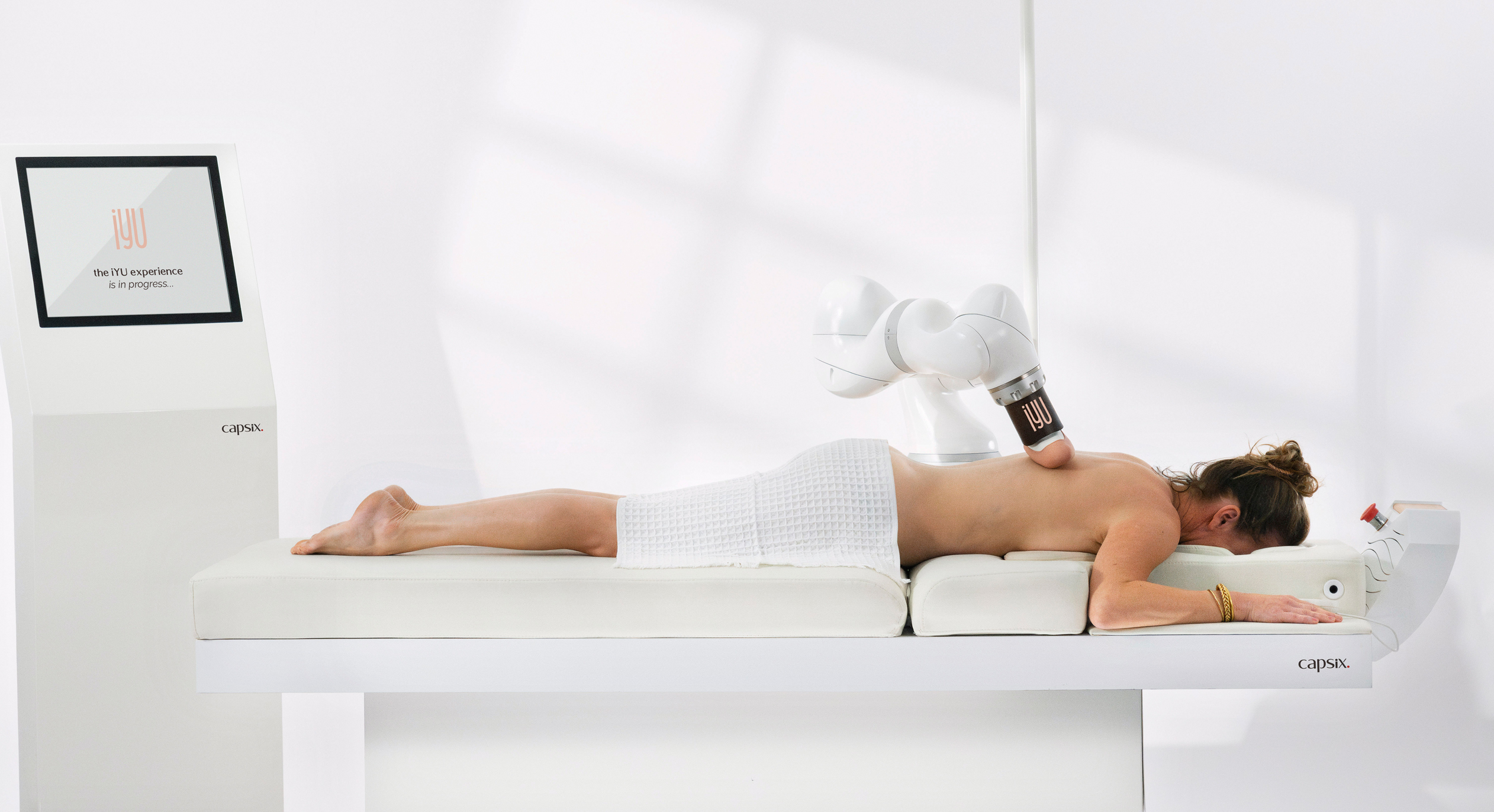
iYU performs AI-driven massage directly on bare skin. After selecting their protocol, sound immersion and table temperature, users lie on an extra-wide comfy table – just like the start of a normal treatment.
AI is at the heart of the iYU experience, intervening at three key points. Our programmes have been designed and tested by massage professionals and physiotherapists in advance based on a generic human body model or ‘digital twin’.
AI algorithms automatically adapt these programmes based on the user’s morphological structure from a 3D scan which provides a detailed map of muscles and tension points in just a few seconds.
Thirdly, iYU uses AI for real-time adaption according to the 3D scan.
The treatment is administered by Kuku’s LBR Med, a collaborative robot arm with 28 sensors that’s used in medical procedures.
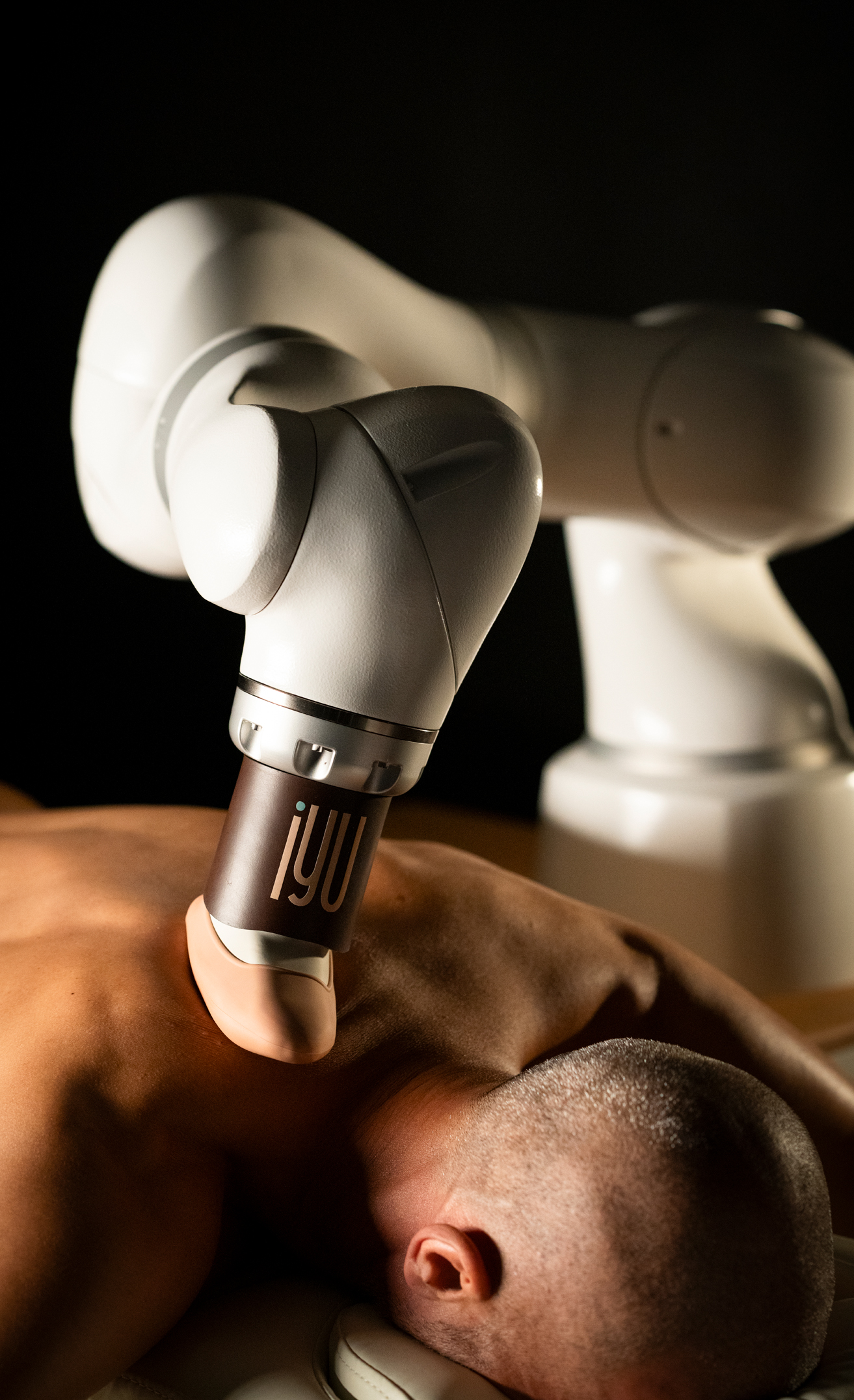
Capsix has developed and patented an articulated hand that attaches to the arm and adapts to the bumps and hollows of the human body to enable precise gestures. We’ve also created a contact membrane (iYU skin) which has a skin-like feel that softly glides over the body and can be used with or without oil.
How do you controL treatments?
The treatment can be customised by the user, adjusting the pressure in real-time or starting or stopping the session via a remote control which is designed to be simple and intuitive. Alternatively, the operator can also personalise the treatment by choosing iYU protocols that align with its target clientele, or even by developing its own signature programmes.
Is a member of staff required?
iYU offers two operating modes. The first one is fully autonomous enabling the user to completely manage their own session. This is favoured by gyms which want to offer free access to the service or hotels that want to offer iYU anytime of the day.
The second mode, preferred by spas and wellness centres, offers a setup where the user is assisted by a member of staff. The interaction screen is different; it provides access to more protocols, including those with oil.
Our patented contact
membrane, iYU skin,
has a skin-like feel that
softly glides over the
body and can be used
with or without oil
What services does it offer?
There are three treatment ‘families’ – body (muscular manipulation), mind (for relaxation) and soul (for emotional release). Each family includes several protocols which are either 20, 35 or 45 minutes long.
why is iyu unique?
iYU performs massages directly on the skin to better work the muscle. Combined with its skin-like membrane, it provides a fluidity of movement that’s very close to the sensation of human touch.
Seven internationally published articles and two studies currently being under review demonstrate the effectiveness of iYU. They show an average 58 per cent reduction in cortisol levels from one session, as well as a 28 per cent drop in insomnia issues and a 48 per cent decrease in pain reduction when used twice a week over five weeks.
What’s the cost and ROI?
We sell iYU direct for €120,000 (US$124,961, £99,875) in Europe and US$149,000 (€143,087, £119,088) in the US. In addition, an annual maintenance contract is €3,300 (US$3,436, £2,746) and US$3,950 (€3,793, £3,157) respectively.
We offer a five-year minimum lease for €2,700 (US$2,824, £2,238) a month in France, but costs vary in other countries.
ROI depends on the business model. Spas which offer iYU treatments a la carte can break even by selling two 35-minute sessions a day if they charge €40 (US$42, £33). Gyms which integrate iYU into memberships with a price increase of €10 (US$10, £8) a month can potentially generate margins of 70 per cent if they have 1,000 members or more.
There’s a completely
autonomous mode, or a
setting which enables
staff assistance
Kuku supplies the robotic arm. It has 28 sensors and is also used in medical procedures / photo: Capsix
Capsix offers a five-year minimum lease for €2,700 a month / photo: Capsix
Seven published articles highlight the benefits of iYU / photo: Capsix
RoboSculptor
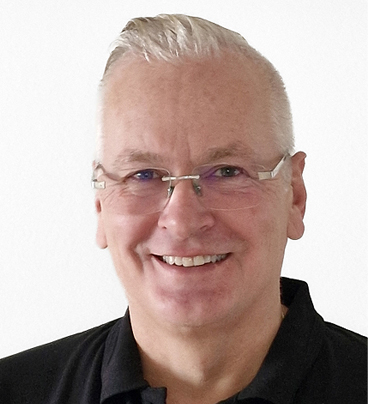
Jens Schramm, CEO / photo: Robotic Therapeutics
today’s roboSculptor is the third-generation model and we launched it commercially this January. We’re based in Hoexter, central Germany and sell directly to Germany, Switzerland and Austria and we’re building a distributor network globally.
Target market
Sectors suitable for roboSculptor include luxury wellness hotels and spas, health and fitness clubs, physiotherapy centres, plastic surgery clinics, medical institutions and the home-use device market.
How does it work?
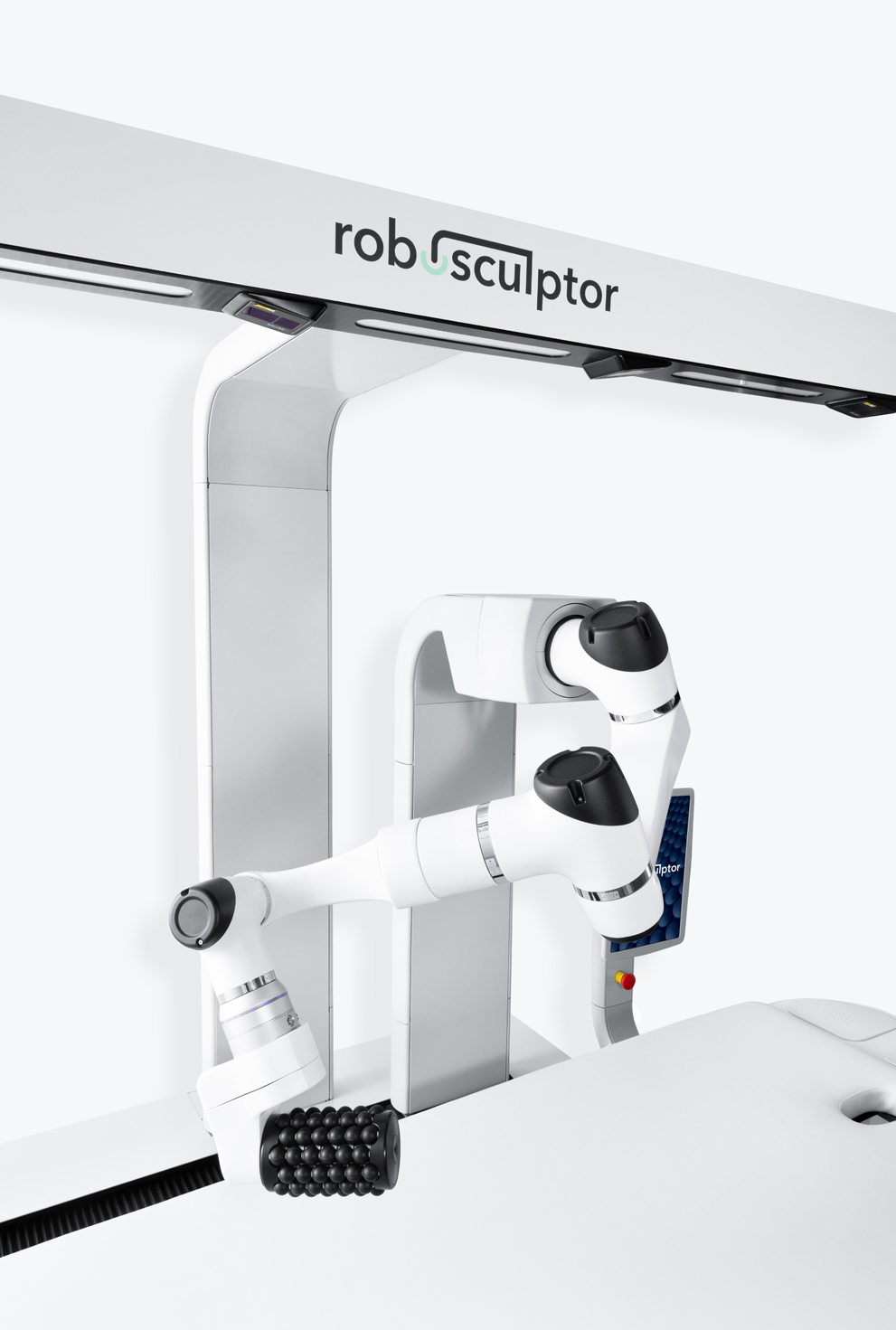
Our procedures can be performed on bare skin, special clothing is not needed. The roboSculptor model uses a collaborative robot arm and a complex pneumatic and electronic system to apply pressure with a special vibrocompression massage tool.
The tool is the same one used by Beautylizer, which has the same owner as us – Robotic Therapeutics. Beautylizer, a leader in the field of non-invasive cosmetology and body sculpting, has been around for 20 years and supplies more than 700 devices worldwide.
The tool has 72 independently rotating silicone spheres generating sequences of short-term compression and lifting. This constant oscillation also generates vibration that targets all layers of the skin and tissue, helping to improve blood flow and increase oxygen in the blood.
For extra comfort and enjoyment, there’s a music audio system with light screens which users can customise.
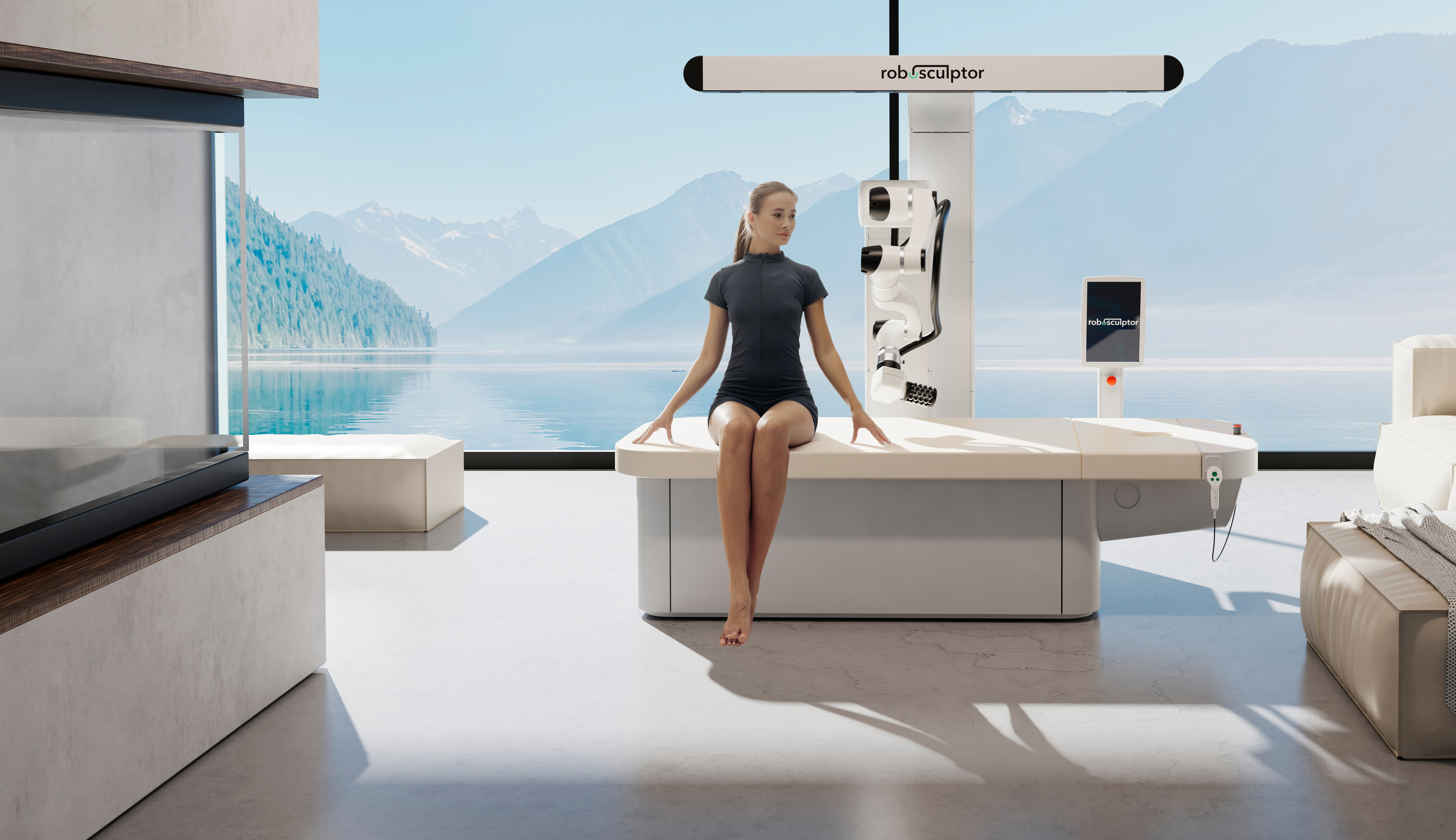
One of the most unique features, however, is our RoboGlide system which is based on real-time body detection in a 3D virtual environment. This is used to control the position of the robotic arm – during a session users inevitably move, which is why our system continuously monitors and adjusts accordingly.
It works by first entering dimensions of the body, such as weight and height. Then, up to four high-speed 3D cameras scan the body in just 10 seconds, creating a unique 3D model. When the patient moves, the system reacts in 0.1-0.2 seconds and builds a new trajectory and map of the tool’s movement.
What types of treatments does it offer?
The speed, pressure and real-time position of the vibrocompression spheres can be adjusted for a wide range of treatments lasting between 30-75 minutes. These can include, for example, lymphatic drainage, ‘healthy back’, full body relaxation or a wellness/toning or medical massage.
How do you control and customise treatments?
RoboSculptor offers pre-set treatments and a user-friendly interface and dashboards. Customers are guided through experiences by a voice recording. They’re also provided with a remote control to change the pressure of the applicator themselves.
Each user is provided with a number which they can input before their next appointment for a more personalised or consistent experience.
Visual interfaces for operators are also available if necessary and these can be used to plan treatments, monitor progress and make real-time adjustments.
In addition, roboSculptor has a while-label client app with CRM integration and a scheduling system.
Is a member of staff required?
No.
Our RoboGlide system,
based on real-time
body detection in a 3D
virtual environment, is
a unique feature
why is robosculptor unique?
The fact that our dynamic robot technology adjusts to the movement of the user in real-time – combined with robotic precision, machine learning and AI – is revolutionary.
Our vibrocompression spheres feature FDA-approved medical-grade silicon which can be sterilised for each treatment. They’re designed to increase fluid filtration, flush out toxins and smooth the appearance of skin after just one session. The skin’s many receptors respond to touch, pressure and vibration, triggering signals that enhance blood circulation and lymphatic flow.
New applicators, such as those which offer microneedling or which put more pressure on the muscles without rotation, are also under development.
What’s the cost and ROI?
We offer a five-year finance solution which costs €4,200 (US$4,352, £3,503) a month excluding VAT. Shorter or longer agreements, ranging between two to six-and-a-half years, are also possible. It costs €236,345 (US$245,000, £197,600) to buy roboSculptor directly.
RoboSculptor can be used 24/7. If you sell two 60-minute massages a day at €150 (US$155, £125) the monthly income is €9,000 (US$9,326, £7,505).
RoboSculptor’s
vibrocompression tool
has 72 independently
rotating silicone spheres
New applicators for different treatments are in development / photo: Robotic Therapeutics
Fees are €4,200 a month and the minimum finance solution is two years / photo: Robotic Therapeutics
Read more from this issue of Spa Business magazine
View contents of Spa Business 2025 issue 1
Editor's letter: Auto spas
Fully automated, self-service spas are set to enter the market, presenting a disruptive opportunity for investors and operators
Spa People: Christian Louboutin
The fashion designer teams up with his personal trainer to create a Brain Edit retreat at his hotel in Portugal
Spa People: Julien Alfred
Exercise, endurance and resilience are the focus of a programme being led by Olympic 100m winner Julien Alfred at BodyHoliday in St Lucia
News report: Emerging economies
Two fresh GWI reports highlight the potential of the wellness markets in the Maldives and Saudi Arabia
Interview: Paul Hawco
Katie Barnes talks to the man heading up wellbeing at Banyan Group as it prepares to open its 100th resort and reports a 16 per cent rise in revenue
Wellness design: Design of the times
Sixteen experts share their insights on how wellness design can be used to create more impactful and profitable spas in a new white paper by Accor
Opinion: High leverage learning
What three skills do people need to master to future-proof their spa careers? Jeremy McCarthy reports
Spa tourism: Hot on the trail
A famous pilgrimage route and natural hot springs are being combined in an innovative tourism package in Spain
Opinion: Beacons of light
As cities in the US start to hire chief wellness officers, Mia Kyricos reveals what this means for our sector
Sponsored: 111SKIN - Winning formulation
111SKIN’s spa/clinic concept is making waves globally – backed by a combination of medical expertise, intuitive partner support and potent products
Product focus: AI and robot massage
Spas around the world are starting to offer AI massage. We highlight the different types of equipment coming to market
Menu engineering: At your service
A dedicated brain health facility at Kamalaya and a menopause package by actor Naomi Watts feature in our programming pages this issue
Finishing touch: Big business
Companies investing in workers’ happiness outperform other portfolios in major global stock markets, according to new research
In the fast-paced world of fitness and wellness, where high-intensity workouts push us to
our limits and the sweat pours, the importance of efficient recovery cannot be overstated. [more...]
+ More featured suppliers
COMPANY PROFILES
Beautylizer
Beautylizer brings
its deep aesthetic expertise and
strong R&D focus to holistic wellness,
offeri [more...]
Nilo Spa Design
Nilo SPA Design, part of the Maletti group, has led the Beauty & Wellness sector for over 35 years p [more...]
Ritz-Carlton and Equinox are already offering AI massages at their properties / photo: Aescape
Spa Business first predicted the arrival of massage robots in its annual Spa Foresight in 2014 (see www.spabusiness.com/foresight2014. Back then, the idea of a machine delivering a massage seemed like something you’d find in a sci-fi movie. Fast forward a decade and a number of companies around the world are engaged in bringing such products to market with high-end spas being some of the first customers.
It’s unlikely that these devices will ever be a match for skilled therapists and they should be deployed with care as there’s a risk of negatively altering consumers’ views of the services spas offer. However, they do offer a myriad of advantages.
They can ease the workload of therapists, avoiding burnout, help spas to navigate recruitment shortages and potentially work 24/7 to increase operating hours and maximise revenue. Non-spa-goers hesitant about traditional massages may be tempted by these services where clothes can be kept on, privacy is guaranteed and personal and religious preferences are respected.
But how much do these machines cost, what technology do they use and what types of treatments can they deliver? We find out more…
Aescape
Dan Burns, VP of partnerships, Aescape / photo: Aescape
in 2017, Aescape has been developed in collaboration with licensed therapists and industry leaders. It launched in US cities last year and has secured US$128 million (€117.4 million, £98.6 million) in funding so far. Clients include Utah’s Velære wellness community, 60 Equinox fitness clubs, Ritz-Carlton Bacara in California and Four Seasons in Orlando and Baltimore. It’s also aiming to operate internationally by the end of 2025.
Target market
We’re looking to partner with global leaders in hospitality, sports, corporate offices and luxury real estate.
How it works
Using our booking app, you can browse locations and check availability. After booking, members receive session details via text and email.
Treatments begin with customers putting on a size-inclusive bodysuit with nothing underneath for optimal friction, they then lie on the table and are scanned by four overhead sensors. These sensors generate 1.2 million 3D data points about the body to help with precision, ensuring optimised pressure, technique, flow and customisation.
Two robotic arms are topped with Aerpoint ‘hands’ each featuring seven surfaces that can be adjusted for pressure and heated for added comfort as they move over the body.
Aescape’s two robotic
arms have been designed
to deliver double the
bodywork in half the time
How do you control and customise treatments?
Users control the entire massage experience via an interactive touchscreen, situated below the face cradle. Using this, they can select targeted areas, pressure levels and even music preferences. The system remembers personal settings, allowing guests to continue their wellness routines across different locations.
Is a member of staff required?
Aescape is an entirely autonomous system but users can alert staff with a call button if necessary at all of our partner locations.
What treatments does it offer?
Our massage library is constantly expanding. Treatments range from 15 minutes (for those with hectic schedules) to longer, 60-minute recovery sessions. Each massage also focuses on a different part of the body – from upper, middle and lower back to glutes and hamstrings with pressure points and target areas completely in the user’s control. Options might include Upper & Mid Back Focus (30 minutes), for example, or Total Back & Glutes (60 minutes)
why is aescape unique?
Aescape is the first commercially available, fully automated AI massage experience. Unlike other percussive instruments which are self-administered, its two robotic arms have been designed to deliver double the bodywork in half the time.
It’s created to provide an incomparable level of precision and customisation, complete with a comprehensive library of varying massages to fit the needs of virtually anyone, from high-level athletes to first-time massage goers.
What’s the cost and ROI?
Our license model, which qualifies as an operating expenditure item for the majority of our partners, is US$7,500 (€7,199, £5,984) a month or US$245 (€235, £195) a day. There’s a minimum lease of three years and implementation, including installation and training, is US$10,000 (€9,565, £7,925). We do not sell the equipment outright at this time.
Aescape’s booking app enables on-demand massage bookings, driving revenue for partners. To generate a positive ROI, a partner needs to make US$245 a day, which equates to 2 hours of Aescape utilisation.
Its comprehensive massage
library will suit the needs
of virtually anyone, from
high-level athletes to first
time massage goers
Treatments focus on the back, glutes and legs / photo: Aescape
The monthly license fee is US$7,500 over three years or more / photo: Aescape
A user control screen sits under the face cradle / photo: Aescape
Capsix
Carole Eyssautier, general manager / photo: Capsix
in development for nine years and we installed our prototypes between 2019 and 2021 in large workplaces, allowing us to learn from different body types and create the most intuitive user experience. In 2023, we partnered with our first three spas to finalise the development of additional services and officially launched in commercial settings early last year. Our head office and workshop is in Lyon, France and we also have a showroom in Paris. Europe and North America are our primary markets.
Target market
Clients include high-end resorts and spas, longevity centres and premium gyms.
How does it work?
iYU performs AI-driven massage directly on bare skin. After selecting their protocol, sound immersion and table temperature, users lie on an extra-wide comfy table – just like the start of a normal treatment.
AI is at the heart of the iYU experience, intervening at three key points. Our programmes have been designed and tested by massage professionals and physiotherapists in advance based on a generic human body model or ‘digital twin’.
AI algorithms automatically adapt these programmes based on the user’s morphological structure from a 3D scan which provides a detailed map of muscles and tension points in just a few seconds.
Thirdly, iYU uses AI for real-time adaption according to the 3D scan.
The treatment is administered by Kuku’s LBR Med, a collaborative robot arm with 28 sensors that’s used in medical procedures.
Capsix has developed and patented an articulated hand that attaches to the arm and adapts to the bumps and hollows of the human body to enable precise gestures. We’ve also created a contact membrane (iYU skin) which has a skin-like feel that softly glides over the body and can be used with or without oil.
How do you controL treatments?
The treatment can be customised by the user, adjusting the pressure in real-time or starting or stopping the session via a remote control which is designed to be simple and intuitive. Alternatively, the operator can also personalise the treatment by choosing iYU protocols that align with its target clientele, or even by developing its own signature programmes.
Is a member of staff required?
iYU offers two operating modes. The first one is fully autonomous enabling the user to completely manage their own session. This is favoured by gyms which want to offer free access to the service or hotels that want to offer iYU anytime of the day.
The second mode, preferred by spas and wellness centres, offers a setup where the user is assisted by a member of staff. The interaction screen is different; it provides access to more protocols, including those with oil.
Our patented contact
membrane, iYU skin,
has a skin-like feel that
softly glides over the
body and can be used
with or without oil
What services does it offer?
There are three treatment ‘families’ – body (muscular manipulation), mind (for relaxation) and soul (for emotional release). Each family includes several protocols which are either 20, 35 or 45 minutes long.
why is iyu unique?
iYU performs massages directly on the skin to better work the muscle. Combined with its skin-like membrane, it provides a fluidity of movement that’s very close to the sensation of human touch.
Seven internationally published articles and two studies currently being under review demonstrate the effectiveness of iYU. They show an average 58 per cent reduction in cortisol levels from one session, as well as a 28 per cent drop in insomnia issues and a 48 per cent decrease in pain reduction when used twice a week over five weeks.
What’s the cost and ROI?
We sell iYU direct for €120,000 (US$124,961, £99,875) in Europe and US$149,000 (€143,087, £119,088) in the US. In addition, an annual maintenance contract is €3,300 (US$3,436, £2,746) and US$3,950 (€3,793, £3,157) respectively.
We offer a five-year minimum lease for €2,700 (US$2,824, £2,238) a month in France, but costs vary in other countries.
ROI depends on the business model. Spas which offer iYU treatments a la carte can break even by selling two 35-minute sessions a day if they charge €40 (US$42, £33). Gyms which integrate iYU into memberships with a price increase of €10 (US$10, £8) a month can potentially generate margins of 70 per cent if they have 1,000 members or more.
There’s a completely
autonomous mode, or a
setting which enables
staff assistance
Kuku supplies the robotic arm. It has 28 sensors and is also used in medical procedures / photo: Capsix
Capsix offers a five-year minimum lease for €2,700 a month / photo: Capsix
Seven published articles highlight the benefits of iYU / photo: Capsix
RoboSculptor
Jens Schramm, CEO / photo: Robotic Therapeutics
today’s roboSculptor is the third-generation model and we launched it commercially this January. We’re based in Hoexter, central Germany and sell directly to Germany, Switzerland and Austria and we’re building a distributor network globally.
Target market
Sectors suitable for roboSculptor include luxury wellness hotels and spas, health and fitness clubs, physiotherapy centres, plastic surgery clinics, medical institutions and the home-use device market.
How does it work?
Our procedures can be performed on bare skin, special clothing is not needed. The roboSculptor model uses a collaborative robot arm and a complex pneumatic and electronic system to apply pressure with a special vibrocompression massage tool.
The tool is the same one used by Beautylizer, which has the same owner as us – Robotic Therapeutics. Beautylizer, a leader in the field of non-invasive cosmetology and body sculpting, has been around for 20 years and supplies more than 700 devices worldwide.
The tool has 72 independently rotating silicone spheres generating sequences of short-term compression and lifting. This constant oscillation also generates vibration that targets all layers of the skin and tissue, helping to improve blood flow and increase oxygen in the blood.
For extra comfort and enjoyment, there’s a music audio system with light screens which users can customise.
One of the most unique features, however, is our RoboGlide system which is based on real-time body detection in a 3D virtual environment. This is used to control the position of the robotic arm – during a session users inevitably move, which is why our system continuously monitors and adjusts accordingly.
It works by first entering dimensions of the body, such as weight and height. Then, up to four high-speed 3D cameras scan the body in just 10 seconds, creating a unique 3D model. When the patient moves, the system reacts in 0.1-0.2 seconds and builds a new trajectory and map of the tool’s movement.
What types of treatments does it offer?
The speed, pressure and real-time position of the vibrocompression spheres can be adjusted for a wide range of treatments lasting between 30-75 minutes. These can include, for example, lymphatic drainage, ‘healthy back’, full body relaxation or a wellness/toning or medical massage.
How do you control and customise treatments?
RoboSculptor offers pre-set treatments and a user-friendly interface and dashboards. Customers are guided through experiences by a voice recording. They’re also provided with a remote control to change the pressure of the applicator themselves.
Each user is provided with a number which they can input before their next appointment for a more personalised or consistent experience.
Visual interfaces for operators are also available if necessary and these can be used to plan treatments, monitor progress and make real-time adjustments.
In addition, roboSculptor has a while-label client app with CRM integration and a scheduling system.
Is a member of staff required?
No.
Our RoboGlide system,
based on real-time
body detection in a 3D
virtual environment, is
a unique feature
why is robosculptor unique?
The fact that our dynamic robot technology adjusts to the movement of the user in real-time – combined with robotic precision, machine learning and AI – is revolutionary.
Our vibrocompression spheres feature FDA-approved medical-grade silicon which can be sterilised for each treatment. They’re designed to increase fluid filtration, flush out toxins and smooth the appearance of skin after just one session. The skin’s many receptors respond to touch, pressure and vibration, triggering signals that enhance blood circulation and lymphatic flow.
New applicators, such as those which offer microneedling or which put more pressure on the muscles without rotation, are also under development.
What’s the cost and ROI?
We offer a five-year finance solution which costs €4,200 (US$4,352, £3,503) a month excluding VAT. Shorter or longer agreements, ranging between two to six-and-a-half years, are also possible. It costs €236,345 (US$245,000, £197,600) to buy roboSculptor directly.
RoboSculptor can be used 24/7. If you sell two 60-minute massages a day at €150 (US$155, £125) the monthly income is €9,000 (US$9,326, £7,505).
RoboSculptor’s
vibrocompression tool
has 72 independently
rotating silicone spheres
New applicators for different treatments are in development / photo: Robotic Therapeutics
Fees are €4,200 a month and the minimum finance solution is two years / photo: Robotic Therapeutics
Read more from this issue of Spa Business magazine
View contents of Spa Business 2025 issue 1
Editor's letter: Auto spas
Fully automated, self-service spas are set to enter the market, presenting a disruptive opportunity for investors and operators
Spa People: Christian Louboutin
The fashion designer teams up with his personal trainer to create a Brain Edit retreat at his hotel in Portugal
Spa People: Julien Alfred
Exercise, endurance and resilience are the focus of a programme being led by Olympic 100m winner Julien Alfred at BodyHoliday in St Lucia
News report: Emerging economies
Two fresh GWI reports highlight the potential of the wellness markets in the Maldives and Saudi Arabia
Interview: Paul Hawco
Katie Barnes talks to the man heading up wellbeing at Banyan Group as it prepares to open its 100th resort and reports a 16 per cent rise in revenue
Wellness design: Design of the times
Sixteen experts share their insights on how wellness design can be used to create more impactful and profitable spas in a new white paper by Accor
Opinion: High leverage learning
What three skills do people need to master to future-proof their spa careers? Jeremy McCarthy reports
Spa tourism: Hot on the trail
A famous pilgrimage route and natural hot springs are being combined in an innovative tourism package in Spain
Opinion: Beacons of light
As cities in the US start to hire chief wellness officers, Mia Kyricos reveals what this means for our sector
Sponsored: 111SKIN - Winning formulation
111SKIN’s spa/clinic concept is making waves globally – backed by a combination of medical expertise, intuitive partner support and potent products
Product focus: AI and robot massage
Spas around the world are starting to offer AI massage. We highlight the different types of equipment coming to market
Menu engineering: At your service
A dedicated brain health facility at Kamalaya and a menopause package by actor Naomi Watts feature in our programming pages this issue
Finishing touch: Big business
Companies investing in workers’ happiness outperform other portfolios in major global stock markets, according to new research
Anna Bjurstam has left her role as Wellness Pioneer at Six Senses Hotels and Resorts and
launched a new wellness, longevity and “consciousness consultancy” called Wahayla.
Fairmont Cheshire, The Mere, has opened today (10 July) in the Northwest of England with a
1,715sq m Fairmont Spa that has been designed using a ‘Wellness without Walls’ concept.
Wellness hotels generating less than US$1 million (€932,700, £785,200) – or 10 per cent of
total revenue from wellness and leisure – recorded the strongest RevPAR and TRevPAR growth
in 2025 across categories when compared with 2024, according to the latest Wellness Real
Estate Report by RLA Global, produced in partnership with P and L benchmarking firm HotStats.
Lefay Resorts, the portfolio of two luxury wellness properties in Italy, has added emotional
dance classes and group cold plunge sessions in response to market demand for social
connection.
Aditya Saluja, an industry leader in luxury wellness hospitality, has been
appointed as
commercial director of spa and wellness for the spa management division of
Minor Hotels,
MSpa International.
Preidlhof Luxury DolceVita Resort, a destination resort and spa in Naturno, South Tyrol in Italy,
will reveal a new spa in February 2027, which has been designed by wellness expert and
consultant Patrizia Bortolin.
In the fast-paced world of fitness and wellness, where high-intensity workouts push us to
our limits and the sweat pours, the importance of efficient recovery cannot be overstated. [more...]
+ More featured suppliers
COMPANY PROFILES
Beautylizer Beautylizer brings
its deep aesthetic expertise and
strong R&D focus to holistic wellness,
offeri [more...]