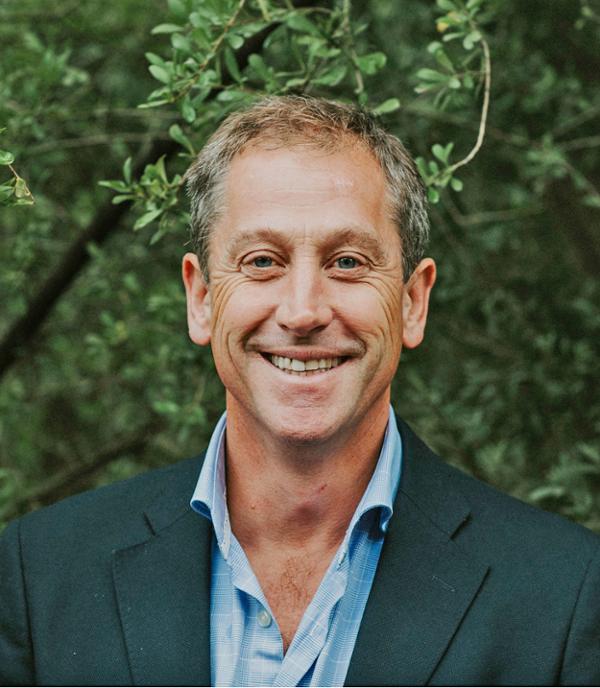
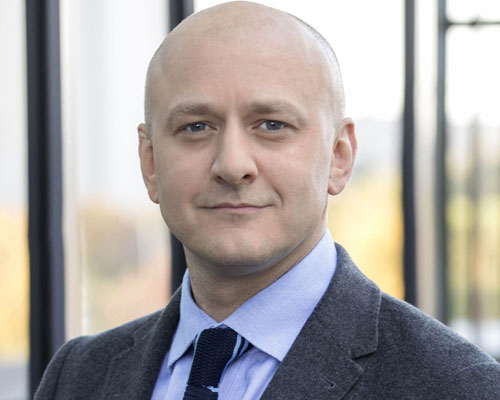
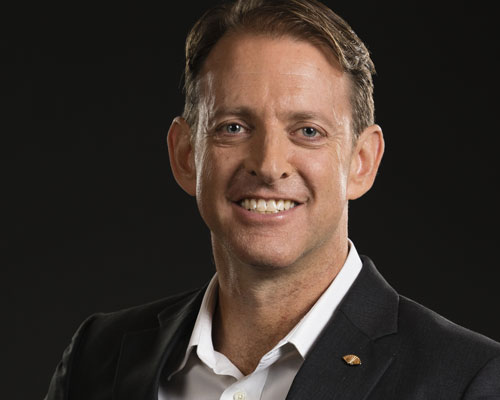
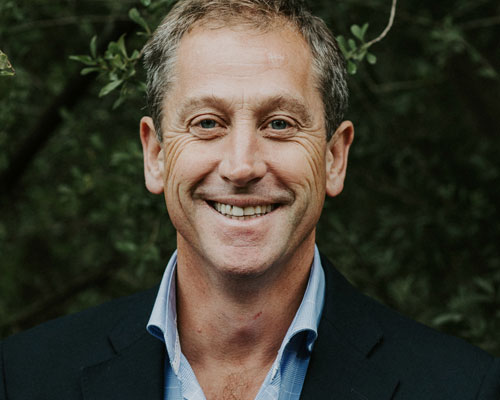
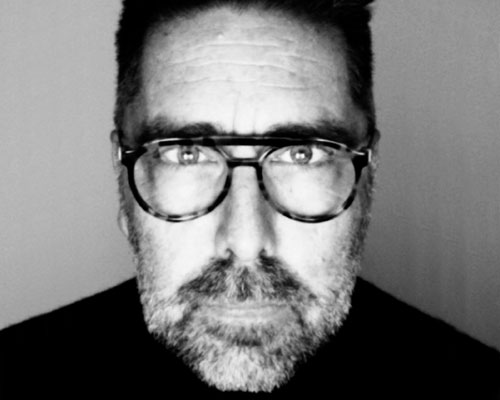
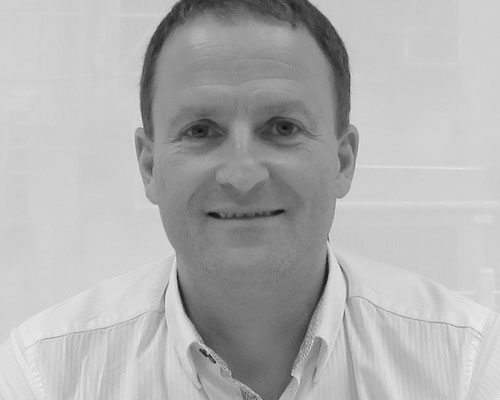
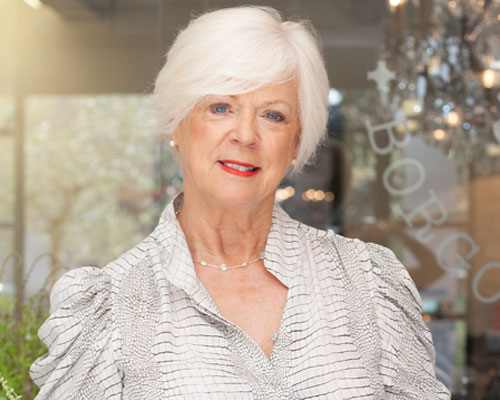
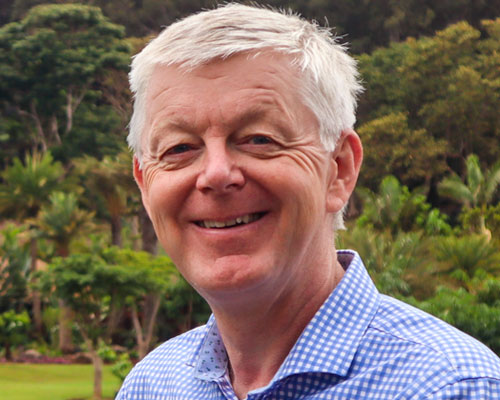
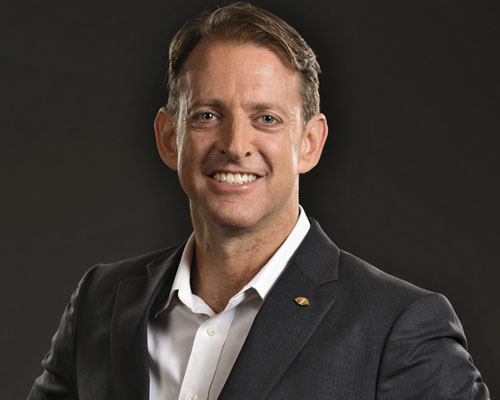
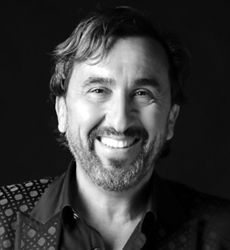
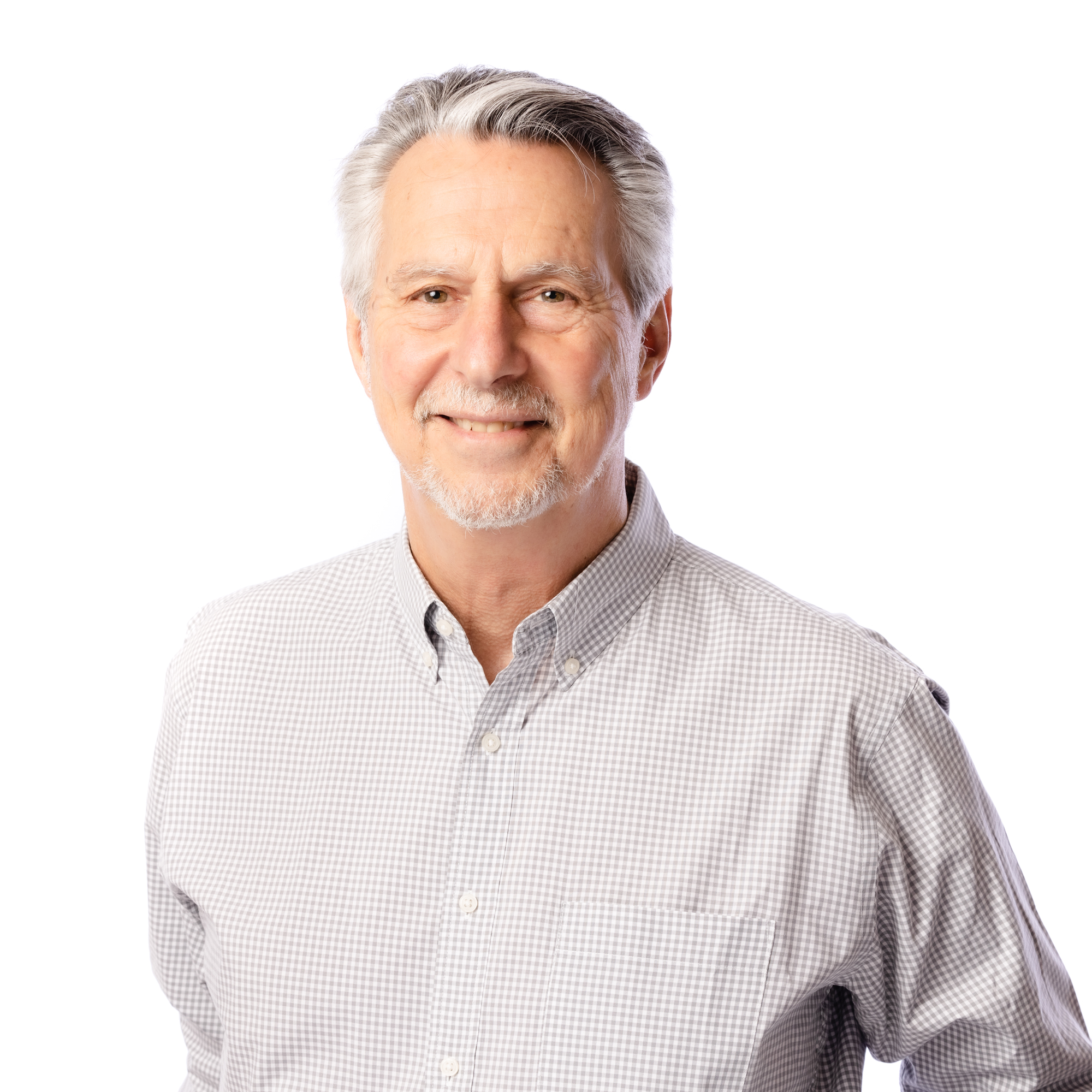
Charles Davidson, Peninsula Hot Springs Group
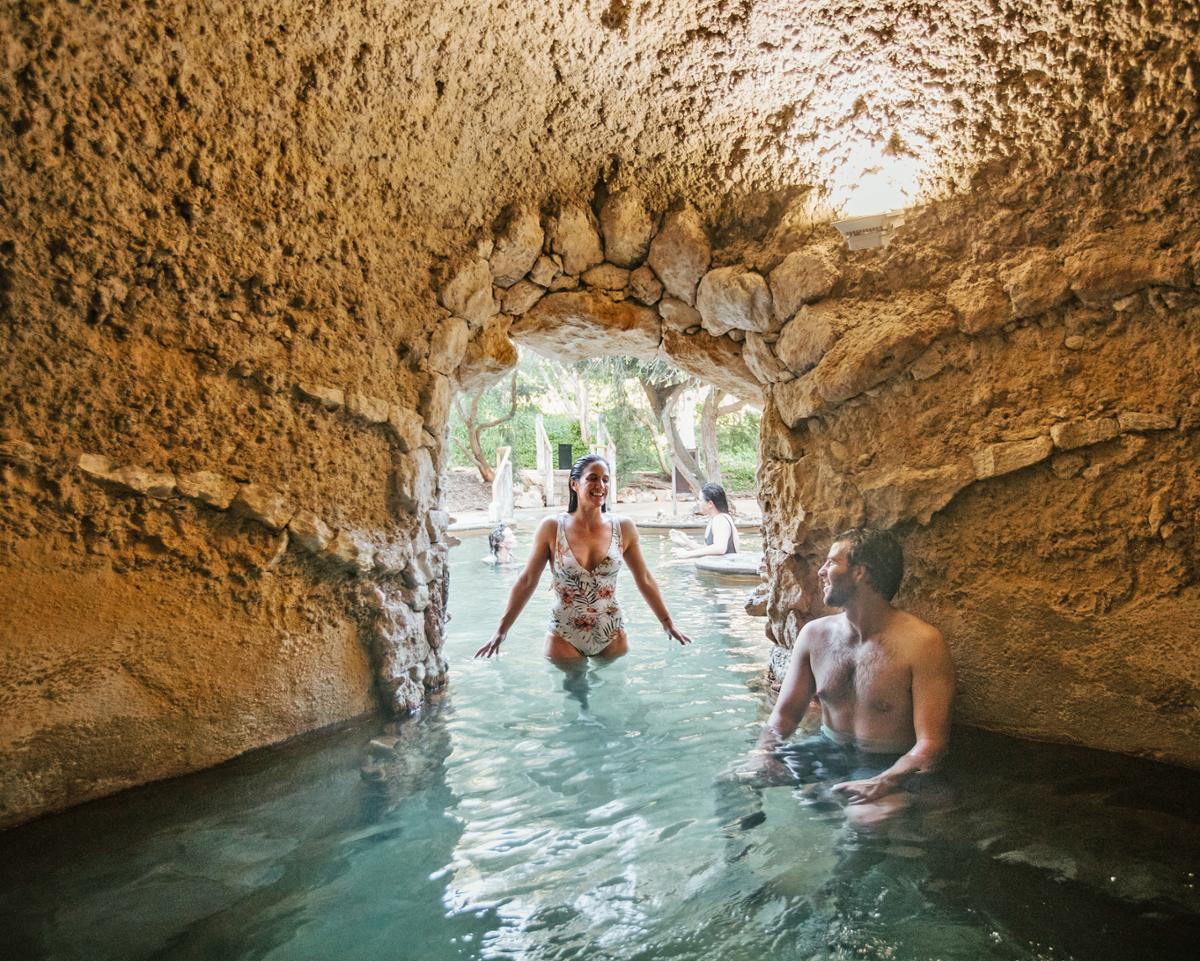
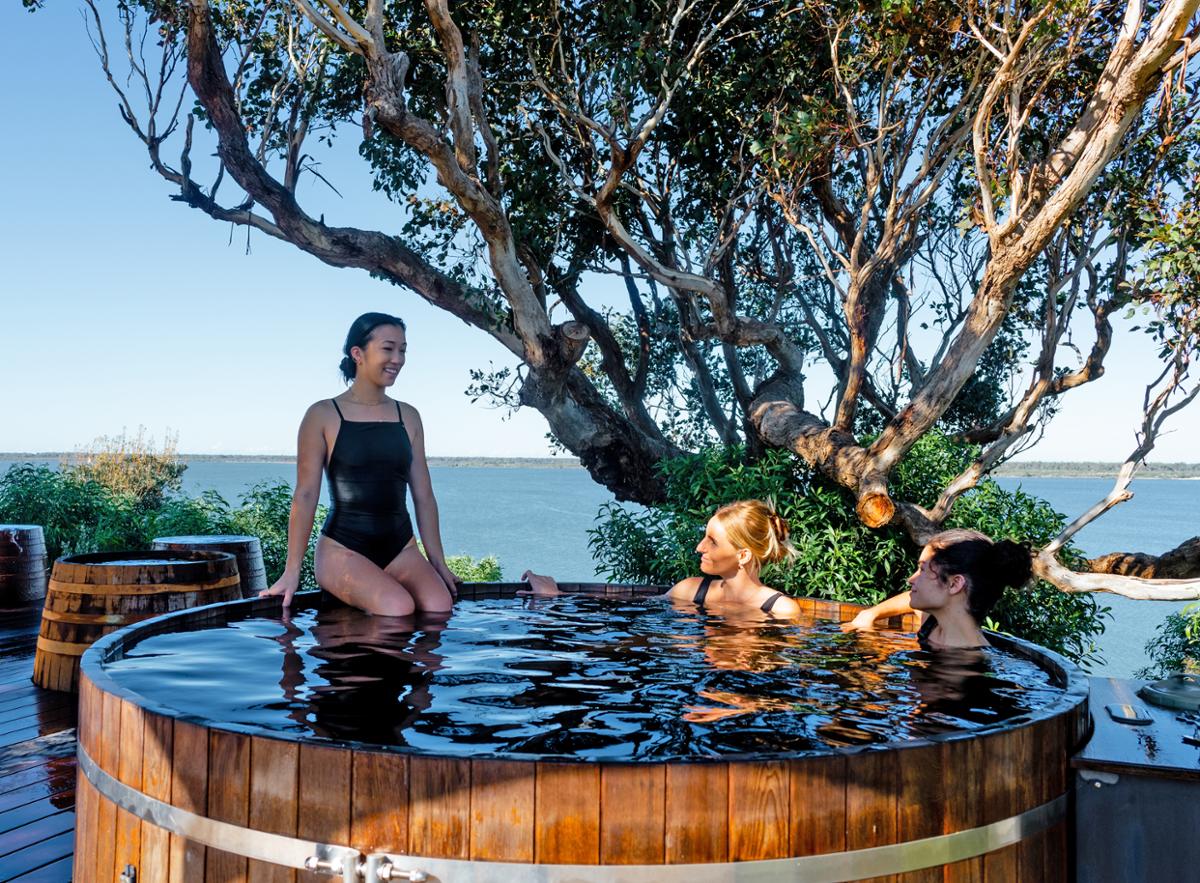
/ photo: PENINSULA HOT SPRINGS GROUP
How is the spa industry evolving? In the hot springs sector, a key change has been internationalisation – a collaboration of events, research, staff exchange/development and guest education around the world.
Organisations such as the Global Wellness Institute and its Hot Springs Initiative and the World Federation of Hydrotherapy and Climatotherapy are spearheading cross-continent cohesion in the sector. Examples of powerful and joyful events include Soakember, World Bathing Day and World Wellness Weekend.
Inroads have been made in education. Hezhou University in Guangxi, China has established a Hot Springs College and is now enrolling students and the Chisholm Institute in Australia is creating a diploma-level course for thermal bathing – it will run a trial for students in 2024 and the full course will be available in 2025.
These have been developed in partnership with the industry and are the first formal tertiary education programmes to focus on hot springs.
Building careers and happy lives for people working in our sector is the responsibility and obligation of our leaders. The culture and opportunities they create enable employees to ultimately deliver the best possible experiences.
What business models are most exciting? Those which benefit society, the environment and the economy. Wellness communities built around thermal bathing, for example, actively enable connections. My favourite view is seeing four generations of the same family ‘taking to the waters’, it’s a testament to the universality of the experience.
At the same time, hot springs are regional magnets. They attract guests of all cultures, who then partake in other local activities such as horse riding, sailing and wine tasting.
In China, they call this ‘hot springs plus’ and thermal waters are the universal connector.
Excitingly, some facilities are also evolving into cultural centres offering arts, music, education and performances as well as healing and wellness. Traditionally hot springs have been at the heart of cultural and musical celebration and we’re now seeing a reawakening of this across the globe.
What trends are having the greatest impact? Increasingly we’re seeing guests follow health practitioner-assisted learning with self-guided wellness habits and the industry is leaning into this ‘healthcare to self-care’ movement.
Recreational hot spring facilities currently being built, for example, are integrating healthcare design features and programmes so that they can support guests/patients following intensive stays at more medically focused thermal facilities such as those in Europe.
They’re working in a symbiotic and proactive way with hot spring clinics/hospitals, where medical staff teach bathing and lifestyle interventions over three- to four-week stays, to develop ongoing healthy habits. This co-creation and collaboration of services is a long-term trend for the hot springs spa sector.
More from spa industry leaders...
In celebration of Spa Business’ 20th anniversary, industry leaders take a look at how far the sector has come since the magazine’s inception in 2003, share personal career highlights and reveal their plans and ideas for the future.
Read more from this issue of Spa Business magazine
View contents of Spa Business 2023 issue 3
Editor's letter: Reflection point
As Spa Business celebrates its 20th birthday, Katie Barnes pauses for thought and rejoices in the industry’s evolution
Spa People: 20th anniversary issue: Anna Bjurstam
The strategic senior advisor at Six Senses and Raison d'Etre on being initiated as a shaman, why psychedelics are here to stay and her bigger fear for the global spa industry
Promotion: Klafs: Relax into wellbeing
Klafs and Studio F. A. Porsche have combined their design and wellness expertise to create an oasis for total-body relaxation
News report: Eastern promise
Japan’s spa industry is valued at US$4.2 billion and is part of the world's third highest-performing wellness economy
Jeremy McCarthy: Theory of evolution
From spa to wellness and now leisure – Spa Business’ contributing editor looks at where hospitality experiences are heading
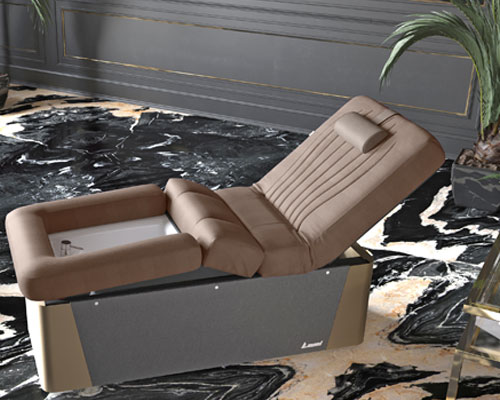
Promotion: Lemi: Built to last
Lemi is committed to leading with innovation to create
cutting-edge treatment room solutions that excel
in terms of performance and eco-credentials
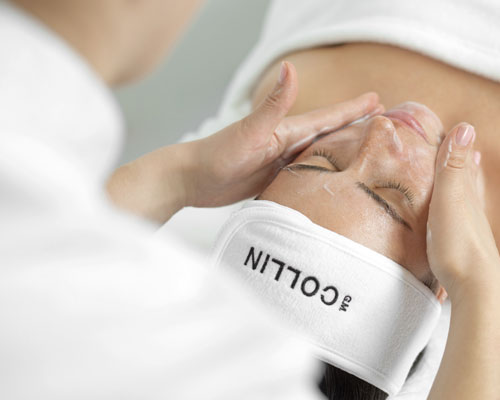
Promotion: G.M. COLLIN: Collagen pioneers
GM Collin’s expertise in collagen research and product formulation has resulted in the creation of a new serum that combats age-related skin degeneration
Promotion: Comfort Zone: A brighter future
Consumers are increasingly interested in reducing dark spots and hyperpigmentation and a new line from Comfort Zone has been launched to address this emerging need
Promotion: Art of Cryo: Life changing experience
Vikki and Robbie are often exhausted after work. A visit to the spa to experience
the Art of Cryo Tech-Spa Module is a chance to re-set and rejuvenate together
Charles Davidson, Peninsula Hot Springs Group
/ photo: PENINSULA HOT SPRINGS GROUP
How is the spa industry evolving? In the hot springs sector, a key change has been internationalisation – a collaboration of events, research, staff exchange/development and guest education around the world.
Organisations such as the Global Wellness Institute and its Hot Springs Initiative and the World Federation of Hydrotherapy and Climatotherapy are spearheading cross-continent cohesion in the sector. Examples of powerful and joyful events include Soakember, World Bathing Day and World Wellness Weekend.
Inroads have been made in education. Hezhou University in Guangxi, China has established a Hot Springs College and is now enrolling students and the Chisholm Institute in Australia is creating a diploma-level course for thermal bathing – it will run a trial for students in 2024 and the full course will be available in 2025.
These have been developed in partnership with the industry and are the first formal tertiary education programmes to focus on hot springs.
Building careers and happy lives for people working in our sector is the responsibility and obligation of our leaders. The culture and opportunities they create enable employees to ultimately deliver the best possible experiences.
What business models are most exciting? Those which benefit society, the environment and the economy. Wellness communities built around thermal bathing, for example, actively enable connections. My favourite view is seeing four generations of the same family ‘taking to the waters’, it’s a testament to the universality of the experience.
At the same time, hot springs are regional magnets. They attract guests of all cultures, who then partake in other local activities such as horse riding, sailing and wine tasting.
In China, they call this ‘hot springs plus’ and thermal waters are the universal connector.
Excitingly, some facilities are also evolving into cultural centres offering arts, music, education and performances as well as healing and wellness. Traditionally hot springs have been at the heart of cultural and musical celebration and we’re now seeing a reawakening of this across the globe.
What trends are having the greatest impact? Increasingly we’re seeing guests follow health practitioner-assisted learning with self-guided wellness habits and the industry is leaning into this ‘healthcare to self-care’ movement.
Recreational hot spring facilities currently being built, for example, are integrating healthcare design features and programmes so that they can support guests/patients following intensive stays at more medically focused thermal facilities such as those in Europe.
They’re working in a symbiotic and proactive way with hot spring clinics/hospitals, where medical staff teach bathing and lifestyle interventions over three- to four-week stays, to develop ongoing healthy habits. This co-creation and collaboration of services is a long-term trend for the hot springs spa sector.
More from spa industry leaders...
In celebration of Spa Business’ 20th anniversary, industry leaders take a look at how far the sector has come since the magazine’s inception in 2003, share personal career highlights and reveal their plans and ideas for the future.
Read more from this issue of Spa Business magazine
View contents of Spa Business 2023 issue 3
Editor's letter: Reflection point
As Spa Business celebrates its 20th birthday, Katie Barnes pauses for thought and rejoices in the industry’s evolution
Spa People: 20th anniversary issue: Anna Bjurstam
The strategic senior advisor at Six Senses and Raison d'Etre on being initiated as a shaman, why psychedelics are here to stay and her bigger fear for the global spa industry
Promotion: Klafs: Relax into wellbeing
Klafs and Studio F. A. Porsche have combined their design and wellness expertise to create an oasis for total-body relaxation
News report: Eastern promise
Japan’s spa industry is valued at US$4.2 billion and is part of the world's third highest-performing wellness economy
Jeremy McCarthy: Theory of evolution
From spa to wellness and now leisure – Spa Business’ contributing editor looks at where hospitality experiences are heading
Promotion: Lemi: Built to last
Lemi is committed to leading with innovation to create
cutting-edge treatment room solutions that excel
in terms of performance and eco-credentials
Promotion: G.M. COLLIN: Collagen pioneers
GM Collin’s expertise in collagen research and product formulation has resulted in the creation of a new serum that combats age-related skin degeneration
Promotion: Comfort Zone: A brighter future
Consumers are increasingly interested in reducing dark spots and hyperpigmentation and a new line from Comfort Zone has been launched to address this emerging need
Promotion: Art of Cryo: Life changing experience
Vikki and Robbie are often exhausted after work. A visit to the spa to experience
the Art of Cryo Tech-Spa Module is a chance to re-set and rejuvenate together
The Standards Authority for Touch in Cancer Care (SATCC) charity has announced its first five-
day Living with Cancer and Beyond retreat, which will be held at Carden Park Hotel and Spa in
Cheshire, UK, between 1 and 5 September.
Patmos Aktis, a Luxury Collection Resort and Spa, has opened in Greece, with a renovated and
rebranded wellness offering called Ansana Wellness and Spa.
The Mauna Kea Beach Hotel, an Autograph Collection property in Hawaii, US, has opened its
22,000 sq ft indoor-outdoor Spa at Mauna Kea as the final step in the property’s overall
renovation, which has cost more than US$180 million (€166 million, £140 mill
The UK spa review and discovery platform for consumers, the Good Spa Guide, has announced
it will host the Good Spa Guide Awards 2026 during an event on 16 November at Sopwell House
Hotel in St Albans, UK.
Eighty-four per cent of consumers now say wellness is a top priority in their lives, with this
percentage increasing year on year, according to a preview presentation of McKinsey’s Future of
Wellness 2026 research report.
Mass protests have been taking place since Monday 1 June in Albania over the development of
a luxury resort by Donald Trump’s daughter Ivanka Trump and her husband Jared Kushner.
Global Wellness Day (GWD) marked its 15th anniversary on Saturday 13 June 2026, with the
theme: #JoyMagenta – a celebration of the healing qualities of simple gestures and activities
that spark joy.
Global luxury hospitality brand, Six Senses, has partnered with longevity healthcare provider,
HUM2N, to launch a clinic at Six Senses London, at The Whiteley.
As part of its first hotel partnership, Mayrlife – the medical health resort company known for its
site in Altaussee, Austria – has launched a day clinic at the Rosewood Vienna.
Premium London health club, KX Chelsea, will imminently unveil its most significant
redevelopment since its launch in 2002 to create an integrated wellness model combining
training, recovery and relaxation.